What is an Automatic Bag Filler and How Does It Work?
In the fast-paced world of manufacturing, efficiency is key. An automatic bag filler is a vital tool in this landscape. According to the Global Automatic Bagging System Market Report, the market is projected to grow significantly, reaching $5.6 billion by 2025. This growth highlights the increasing necessity for automating packaging processes.
Automatic bag fillers streamline packaging operations in various industries. They minimize human error and increase output rates. Using these systems, companies can fill bags quickly and accurately. High-quality machines can handle a range of products, from grains to chemicals. They adapt to various bag sizes too, offering flexibility.
However, some challenges remain. Not every business can afford advanced equipment. Smaller companies may struggle to justify the investment. This leads to a reliance on manual filling processes. Reflecting on these challenges is essential. How can businesses balance efficiency with cost? Finding that equilibrium can empower companies to thrive in competitive markets.
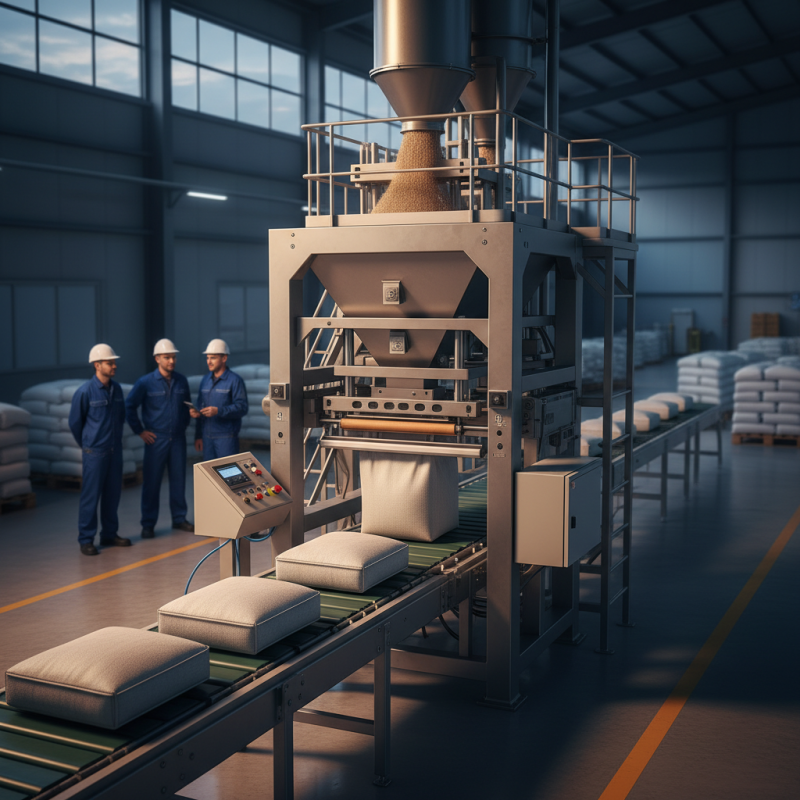
What is an Automatic Bag Filler?
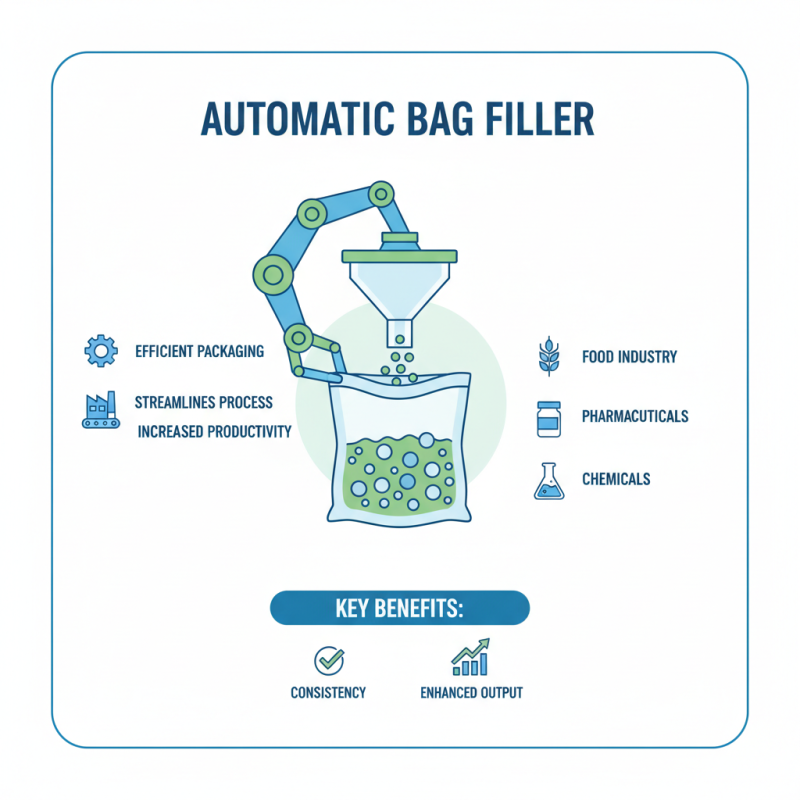
An automatic bag filler is a device designed for efficient packaging. It streamlines the process of filling bags with various products. These fillers are commonly used in industries like food, pharmaceuticals, and chemicals. With their help, businesses can enhance productivity and ensure consistency.
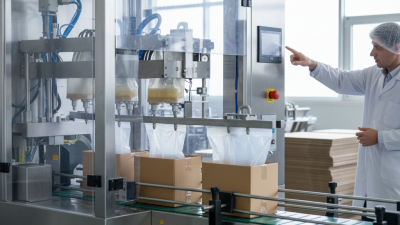
The operation of an automatic bag filler is fascinating. First, the bags are fed into the machine. Then, the product is dispensed into the bags through a controlled mechanism. This allows for precise measurements, reducing waste. Sensors detect when the bags are filled, automatically sealing them afterward. Such efficiency can save time and reduce labor costs.
However, there are challenges. Overfilling can happen if the mechanism malfunctions. This can lead to wasted product and increased costs. Regular maintenance is crucial. Operators must ensure the machine functions as intended. Machine failures can cause delays in production. Finding the right balance between speed and accuracy is essential for optimal operation.
Key Components of Automatic Bag Filling Machines
Automatic bag fillers have revolutionized the packaging industry. Understanding their key components is crucial. These machines streamline the packaging process for various materials. They greatly enhance efficiency and reduce manual labor.
A weighing device is a primary component. It ensures accurate measurements of the product. Accuracy is vital in the packaging process. An ineffective weighing system can lead to product waste and inconsistency. Consider using scales that provide real-time feedback for better adjustments.
Another essential part is the bag feed mechanism. This component automatically supplies empty bags to the filling station. If it jams or underperforms, it disrupts the entire operation. Regular maintenance can prevent these issues. Operators should be trained to inspect and address any irregularities promptly.
Incorporate a sealing system in your setup. This part securely closes the filled bags. Proper sealing is important for product freshness. However, a malfunctioning sealer can result in leaks. Watch for signs of wear and replace parts as needed. Efforts to improve these areas can lead to a more reliable production line.
How Automatic Bag Fillers Operate: A Step-by-Step Process
Automatic bag fillers are designed for efficiency. They simplify the packaging process for various products. The operation typically begins with bag placement on a filling station. Operators need to ensure precise alignment to avoid mishaps.
Once the bag is in place, the filler activates. It uses sensors to detect the presence of the bag. When confirmed, the product starts flowing through a chute. The gap in the chute is adjusted according to the product type. This setup can often lead to overfilling if not monitored closely. Besides, inconsistent flow rates can cause product waste.
After filling, the bag moves to a sealing station. This part is crucial, as improper sealing can lead to leaks. Operators often face challenges in maintaining the right pressure. Variations in bag material impact this step. Regular checks are necessary, yet they can be overlooked in busy environments.
What is an Automatic Bag Filler and How Does It Work?
| Feature |
Description |
Benefits |
| Automatic Operation |
Utilizes sensors and automation technology to fill bags without manual intervention. |
Increases efficiency and reduces labor costs. |
| Filling Mechanism |
Can include augers, vibratory feeders, and gravity fillers depending on the product. |
Offers flexibility for different product types and weights. |
| Material Compatibility |
Compatible with a wide range of bag materials like plastic, paper, or woven fabrics. |
Suits diverse industries from food to chemicals. |
| Control Systems |
Equipped with advanced control systems for accurate filling measurements. |
Ensures consistency in product weight and quality. |
| Integration |
Can be integrated with other machinery such as conveyor systems and sealers. |
Creates efficient and cohesive production lines. |
| Safety Features |
Includes emergency stop buttons, safety shields, and sensors to prevent accidents. |
Enhances operator safety and complies with industry standards. |
Types of Automatic Bag Fillers and Their Applications
Automatic bag fillers are essential in packaging industries. They save time and ensure accuracy. Various types exist, each designed for specific applications. Let's explore a few of them.
Gravity fillers are great for free-flowing powders and granules. These devices fill bags based on gravitational force. They can be quite simple but may require adjustments for different materials. Flow consistency matters; if the material clumps, it can lead to inaccuracies.
Force flow fillers manage more challenging materials, like thick powders. They compress material to ensure accurate fills. This method requires precise calibration. If not done correctly, it can lead to overfilling or underfilling. We must remain vigilant during operation. Each filler type has its strengths and weaknesses, calling for careful consideration to fit specific needs.
Types of Automatic Bag Fillers and Their Applications
Advantages of Using Automatic Bag Fillers in Packaging Industries
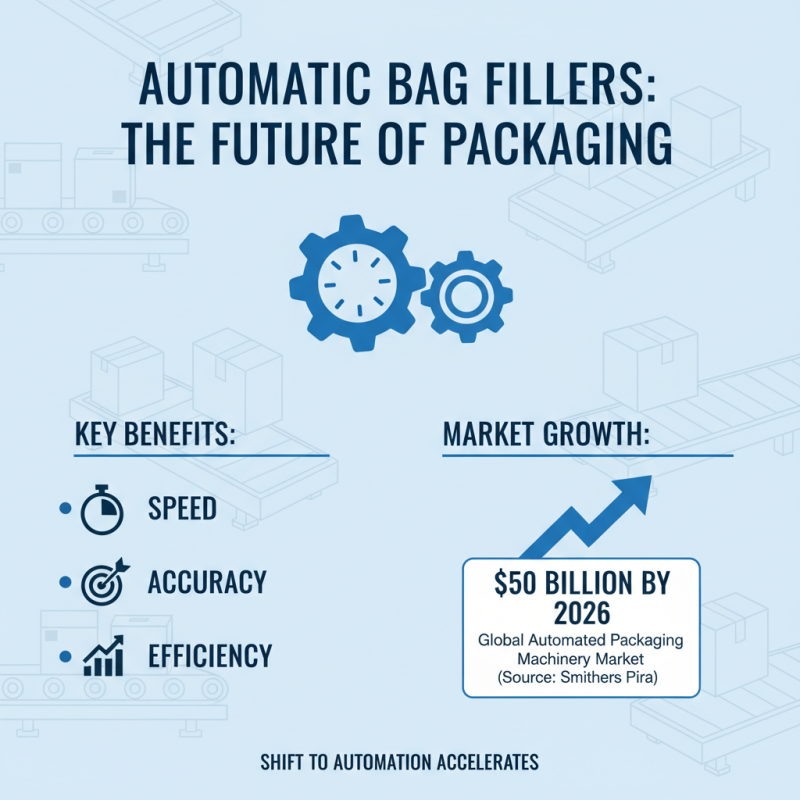
Automatic bag fillers are increasingly preferred in packaging industries. They offer speed and accuracy, meeting the growing demands for efficiency. According to a report by Smithers Pira, the global market for automated packaging machinery is expected to reach $50 billion by 2026. This growth indicates a strong shift toward automation in various sectors.
One clear advantage of using automatic bag fillers is reduced labor costs. These machines can operate continuously, unlike manual labor which is subject to fatigue. A study showed that automated systems can improve production rates by up to 30%. However, calibration and maintenance are essential. If not regularly checked, these machines can malfunction, leading to costly downtimes. It's a challenge many companies face.
Moreover, automatic bag fillers enhance precision in filling. They minimize the risk of overfilling or underfilling bags. This is particularly crucial in industries dealing with expensive materials. Yet, reliance on such technology doesn't come without risks. A system failure can disrupt the entire production line. Thus, it’s critical for companies to invest in robust training for their staff, ensuring that they can handle unexpected issues effectively.