What is a Bag in Box Filling Machine and Its Benefits?
In the competitive world of food and beverage packaging, the "bag in box filling machine" stands out. This innovative machine streamlines the packaging process. It effectively reduces waste, offering a sustainable solution for companies. Industry expert, Dr. Emily Hartman, emphasizes, "The bag in box filling machine is crucial for efficient production lines." Her experience in packaging technology supports the growing demand for reliable filling solutions.
The bag in box filling machine enhances efficiency by minimizing spills and errors. It ensures a clean and controlled environment during the filling process. However, companies must select the right equipment based on their specific needs. Not every machine may suit every business model. It's vital to assess what works best for your production level.
Investing in a bag in box filling machine can lead to long-term benefits. These machines offer consistent quality and extended shelf life for products. Nonetheless, each installation presents challenges. Adjustments may be necessary to fit unique workflow. Companies should not overlook the potential need for operator training to maximize efficiency.
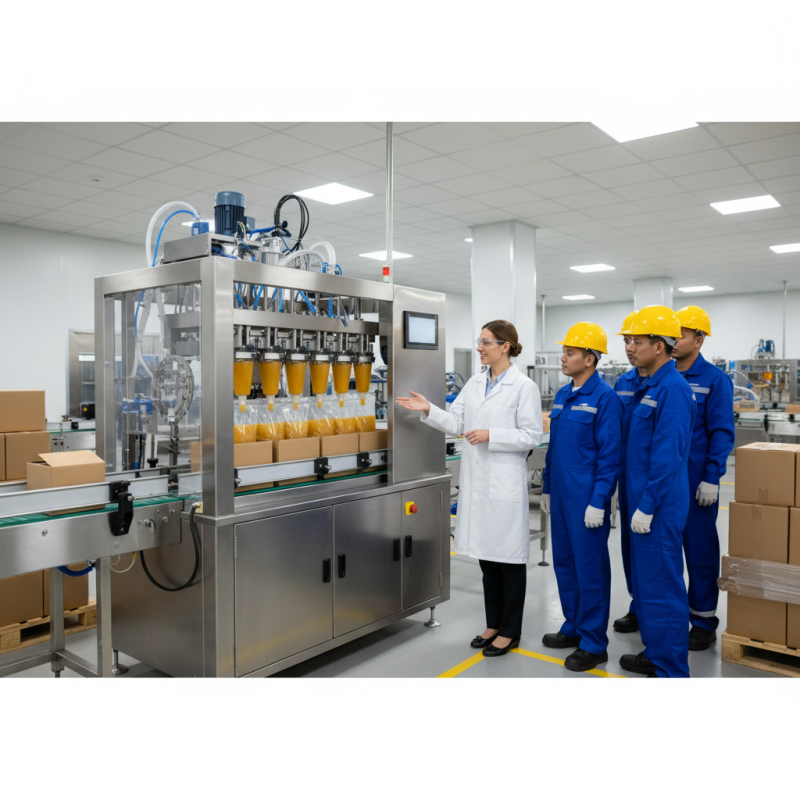
What is a Bag in Box Filling Machine?
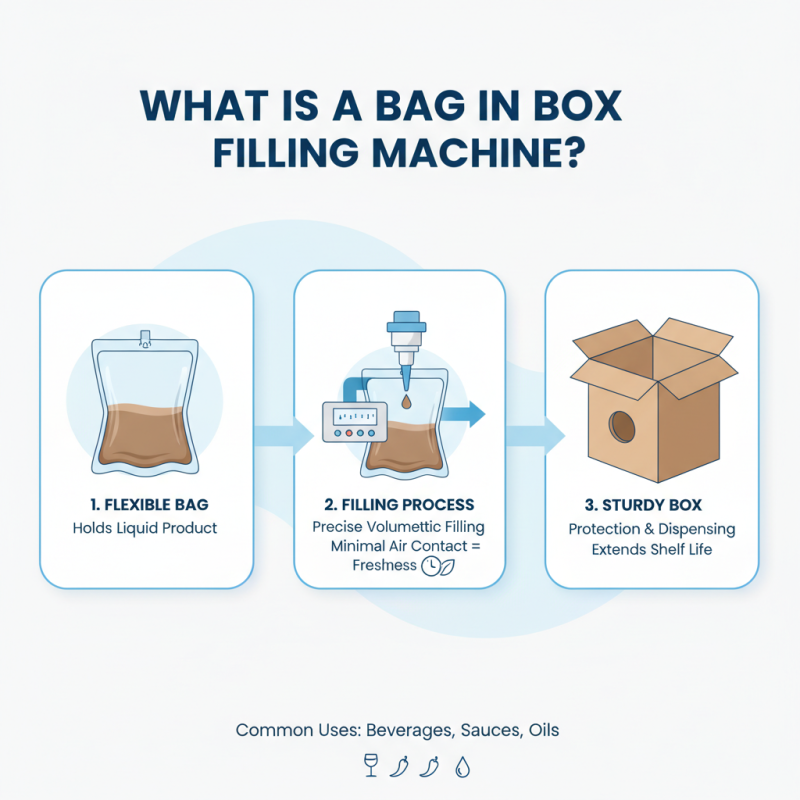
A Bag in Box (BIB) filling machine is designed for packaging liquids in flexible bags housed within sturdy boxes. This system is commonly used for beverages, sauces, and other liquid products. The filling process usually involves precise measurement, ensuring each bag receives the correct volume. The design minimizes air contact, preserving the product's freshness and extending shelf life.
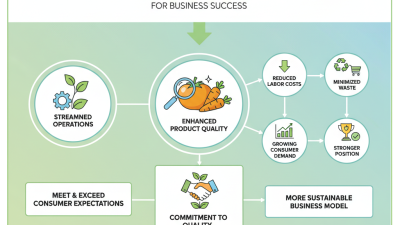
This type of machine offers several advantages. It is efficient, often automating the filling process to reduce labor costs. The ability to package various liquids helps manufacturers diversify their offerings. Additionally, the BIB format is environmentally friendly, as it uses less plastic compared to traditional containers. However, it's essential to maintain the equipment regularly for optimal performance. Neglecting maintenance might lead to inconsistent filling or contamination issues. Better practices can enhance reliability and efficiency, enabling businesses to meet consumer demands effectively.
Key Components of Bag in Box Filling Machines
Bag in Box (BiB) filling machines are integral to the modern packaging industry. These machines enable the efficient filling and sealing of flexible bags placed inside cardboard boxes. The key components of these systems play a crucial role in their functionality and effectiveness.
A BiB filler typically consists of several essential parts. The filling head controls the flow of liquid into the bag, ensuring accuracy and minimizing spillage. According to industry reports, precise filling reduces product waste by up to 15%, enhancing overall efficiency. Additionally, the machine includes a bag handling system, which ensures that bags are securely positioned for filling. This system must be robust yet flexible to accommodate various bag sizes. The sealing unit is equally important, as it creates an airtight seal that prolongs shelf life and maintains product integrity.
Tip: Regular maintenance of the filling machine can significantly improve its longevity and performance. Schedule routine checks to ensure optimal operation.
Moreover, the electronic controls in a BiB filling machine allow for adjustments on the fly. This feature supports different products and viscosity levels, making versatility a top benefit. Despite these advancements, operators must be trained to handle the technology effectively. Human error can still result in inefficiencies, highlighting the importance of proper training.
Tip: Focus on providing hands-on training for all machine operators. A well-informed team will enhance productivity and reduce errors.
How Bag in Box Filling Machines Work
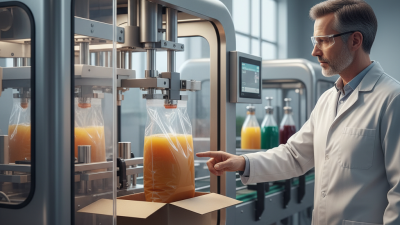
Bag in box filling machines play a pivotal role in packaging liquids. These machines efficiently transfer products into flexible bags housed in durable boxes. This method reduces spoilage and extends shelf life. The process is straightforward. Liquid products are drawn from a tank and pumped into the bag. As the bag fills, air is expelled, minimizing oxidation.
For producers, using a bag in box system can save time and costs. One significant benefit is the reduction in waste. If the packaging system leaks or spills, it can create mess and increase expenses. Proper maintenance of the machine can address this issue. Regular checks ensure the equipment runs smoothly.
When utilizing these machines, it's crucial to consider the bag material. Different liquids require specific barrier properties. Finding the right fit can prevent contamination. Remember, testing different setups can lead to insights. Each product behaves uniquely during the filling process. Observing these nuances can enhance efficiency and improve overall results.
What is a Bag in Box Filling Machine and Its Benefits? - How Bag in Box Filling Machines Work
| Feature |
Description |
Benefits |
| Cost Efficiency |
Reduces packaging costs compared to traditional bottling. |
Lower production costs. |
| Versatility |
Can fill various types of liquids including juices, sauces, and wines. |
Suitable for a wide range of products. |
| Space Saving |
Compact design that requires less floor space. |
Efficient use of production area. |
| Easy Handling |
Lightweight and easy to store compared to glass bottles. |
Easier logistics and transportation. |
| Sustainability |
Uses recyclable materials and reduces waste. |
Enhanced environmental friendliness. |
| Filling Precision |
High accuracy in filling volumes. |
Minimized product loss. |
Benefits of Using Bag in Box Filling Machines
Bag in Box (BiB) filling machines have gained popularity due to their efficiency and versatility. These machines are designed to fill flexible bags within a box, which can significantly enhance storage space and reduce product waste. A report from the Flexible Packaging Association shows that the flexible packaging market is projected to reach $300 billion by 2025, reflecting a strong demand for innovative packaging solutions like BiB.
One significant benefit of using BiB filling machines is their ability to preserve product freshness. The sealed environment within the box minimizes exposure to air and light, which are key factors in product degradation. According to a study published by the Institute of Food Technologists, products stored in BiB systems can last up to 3 times longer than those in traditional packaging. This added shelf life can contribute to reduced waste and cost savings for manufacturers.
However, it is also important to address potential downsides. BiB systems may require higher initial investment compared to traditional filling machines. Smaller businesses might find the upfront costs challenging. Additionally, not all products are suitable for BiB packaging, limiting its application for certain brands. A thorough market analysis is essential to determine the best fit for BiB technology within a specific industry.
Applications of Bag in Box Filling Machines
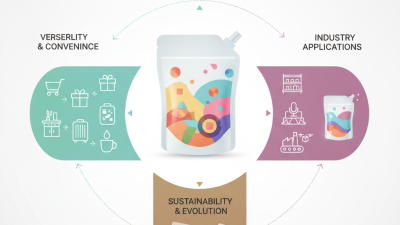
Bag in Box (BiB) filling machines are widely used across various industries. They are efficient for packaging liquids, semi-liquids, and some solids. Common applications include the food and beverage sector, where they are ideal for juices, sauces, and wines. According to a recent industry report, the global Bag in Box market is projected to grow significantly, reaching approximately $1.3 billion by 2027. This trend highlights the machine's relevance in modern packaging.
Another key application is in the chemical industry. BiB packaging is often used for hazardous liquids. Its design ensures safe handling and minimizes spillage risks. The environmental benefits of using Bag in Box are noteworthy too. The reduced use of plastic contributes to sustainability goals. Reports indicate that BiB can decrease overall packaging waste by up to 20% compared to traditional methods.
Tips for choosing the right Bag in Box filling machine include assessing your production volume. Ensure the machine can handle your needs efficiently. Compatibility with different pouch sizes is also important. Regular maintenance is crucial for optimal performance. It's often overlooked, but neglecting this can lead to costly downtime.