10 Best Heat Shrink Bags for Effective Product Packaging?
In the packaging industry, Heat Shrink Bags have emerged as a vital solution for protecting and presenting products. According to a report by MarketsandMarkets, the global shrink film market is projected to reach $9 billion by 2026, primarily driven by the increased demand for efficient packaging solutions across various sectors. Heat Shrink Bags, known for their versatility and durability, play a crucial role in this growth. They not only enhance product visibility but also provide a protective barrier against moisture, dust, and tampering.
Numerous companies are adopting Heat Shrink Bags for their packaging needs. This trend showcases the increasing awareness of sustainable packaging solutions. However, with a plethora of options available, businesses must choose wisely. Factors such as material quality, shrink ratio, and intended use should be carefully considered. Unfortunately, not all products marketed as Heat Shrink Bags meet stringent quality standards, posing challenges for manufacturers. Therefore, understanding the top contenders in the market is essential for making informed decisions.
Amidst the growing interest, it is vital to reflect on the environmental impact of Heat Shrink Bags. While they provide protection, the production and disposal of these materials can be harmful. Finding a balance between effective packaging and sustainability remains an ongoing discussion in the industry. By evaluating the ten best Heat Shrink Bags, businesses can enhance their packaging strategy while promoting responsible practices.
The Importance of Heat Shrink Bags in Product Packaging
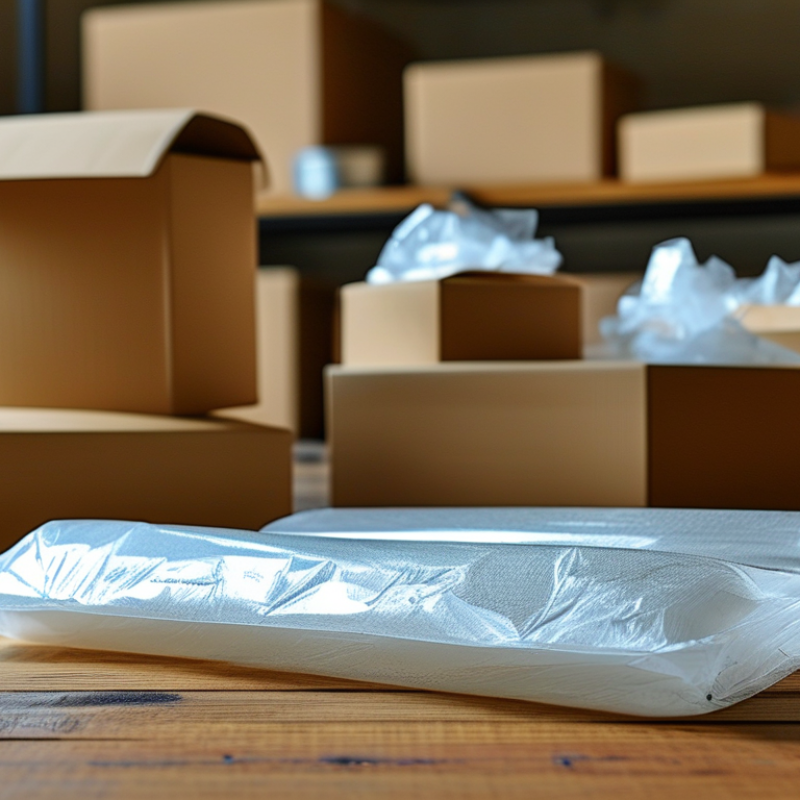
Heat shrink bags are a crucial element in product packaging. They offer a secure and neat way to wrap items, protecting them from damage during shipping and storage. These bags contract when exposed to heat, creating a tight seal around the product. This sealing process prevents moisture, dust, and dirt from reaching the contents. However, it’s essential to choose the right size and type to ensure proper shrinkage and protection.
The significance of heat shrink bags extends beyond mere protection. They enhance the visual appeal of products. A well-packaged item attracts customers, increasing sales potential. However, businesses sometimes choose inadequate bags, leading to problems in appearance and durability. This can result in products that look unprofessional and suffer from damage. Finding a balance between aesthetics and functionality is vital for effective packaging.
Moreover, heat shrink bags are versatile and can be used for various products. They accommodate different shapes and sizes, allowing flexibility in packaging choices. Yet, it’s important to consider the environmental impact. While many shrink bags are recyclable, not all are made from eco-friendly materials. Businesses must reflect on their choices and seek sustainable options. In a world increasingly focused on sustainability, every choice counts.
Key Features to Look for in Quality Heat Shrink Bags
When evaluating heat shrink bags, consider key features that impact performance and durability. Thickness is a primary factor; bags typically range from 40 to 100 microns. Thicker bags provide better protection and can withstand handling stresses without tearing. A report from the Flexible Packaging Association highlights that these thicker materials can improve shelf life, ensuring product integrity.
Another feature to examine is shrink ratio. High-quality bags should shrink uniformly and tightly around the product. A shrink ratio of 2:1 is common; this means the bags should shrink to half their size. Consistent shrinkage is vital for maintaining the item’s aesthetic appeal. Inadequate shrinkage can lead to loose or wrinkled packaging, detracting from the product's presentation.
Transparency also plays a role in consumer appeal. Clear bags enhance visibility, showcasing the product effectively. According to recent studies, consumers prefer packaging that displays the product's quality and design. However, over-packaging can lead to environmental concerns. Striking the right balance is essential, as sustainability becomes increasingly important in packaging choices.
Top 10 Heat Shrink Bags: Key Features Comparison
Industry Standards for Heat Shrink Bags: Material and Thickness
Heat shrink bags are vital for effective product packaging. When choosing the right materials, consider both thickness and composition. Most industry standards recommend polyethylene or polyolefin due to their superior heat shrink capabilities and resistance to moisture. The thickness should typically range from 60 to 100 microns. This variation allows for flexibility in protecting products while ensuring clarity.
In a recent industry report, 75% of users indicated that using high-quality heat shrink bags improved their product presentation. Thicker bags often offer better durability, but this can lead to increased costs. Finding the balance between thickness and budget can be challenging. Many companies overlook the importance of proper sealing techniques, which is crucial in maintaining product integrity.
**Tip:** Test various thicknesses to determine which best suits your product while balancing cost and durability. Always keep an eye on environmental impacts when selecting plastic options. Assess your materials regularly to ensure compliance with current industry standards. This reflection on your processes can lead to better decision-making in packaging strategies.
10 Best Heat Shrink Bags for Effective Product Packaging
| Bag Type | Material | Thickness (Mil) | Temperature Resistance (°F) | Size Range (inches) |
| Centerfold | Polyolefin | 60 | 200 | 4 x 6 to 18 x 24 |
| Shrink Tubing | PVC | 40 | 180 | 1/2 to 6 |
| Shrink Bags with Tops | Polyethylene | 75 | 220 | 8 x 10 to 12 x 18 |
| Multi-Use Shrink Bags | PA/PE | 50 | 190 | 4 x 6 to 14 x 22 |
| Custom Sized Shrink Bags | Polyester | 80 | 230 | Any |
| Food Safe Shrink Bags | Polyolefin | 60 | 210 | 6 x 8 to 10 x 14 |
| Heavy-Duty Shrink Bags | Kraft Paper | 100 | 240 | 12 x 16 to 20 x 30 |
| Shrink Wrap Film | Polyethylene | 50 | 200 | 20 x 30 to 30 x 40 |
| Biodegradable Shrink Bags | PLA | 60 | 190 | 6 x 10 to 12 x 16 |
| Clear Shrink Bags | Polyolefin | 50 | 200 | 5 x 7 to 18 x 24 |
Comparative Analysis of Leading Heat Shrink Bag Brands
Heat shrink bags are invaluable for product packaging. They provide a secure and protective layer, ensuring the integrity of items during transport. When comparing leading heat shrink bag brands, it's essential to consider various factors such as material strength, thickness, and shrinkage capabilities. Some bags excel in thickness, offering superior puncture resistance, while others focus on clarifying visibility, providing an attractive display of the packaged product.
Sustainability is another significant aspect. Certain brands emphasize eco-friendly materials. They aim to reduce environmental impact while maintaining quality. However, not all brands achieve a perfect balance between quality and sustainability, leaving room for improvement. Some products may offer high clarity but lack in durability, which may lead to disappointing user experiences.
Pricing often reflects these differences. Premium options promise advanced features but may not always deliver. Conversely, more affordable bags sometimes provide adequate protection but might not withstand rigorous handling. Evaluating these attributes helps in identifying the right heat shrink bags for diverse packaging needs. Always remember to test different options to find what truly meets your requirements.
Case Studies: Successful Applications of Heat Shrink Bags in Various Industries
In various industries, heat shrink bags have proven their effectiveness in product packaging. The food industry frequently uses these bags to extend product shelf life. A notable case study shows a company packaging fresh produce with heat shrink bags. The bags provide a tight seal, protecting against moisture and contaminants. This simple yet effective method helped the company reduce spoilage by nearly 30%.
Another fascinating application is in the electronics industry. One manufacturer utilized heat shrink bags to package fragile electronic components. The bags not only kept dust and moisture at bay but also absorbed minor impacts. While the results were promising, some employees expressed concerns about the environmental impact of plastic waste.
In the pharmaceutical sector, heat shrink bags play a critical role in safeguarding medical products. Their ability to protect sterile items is crucial for patient safety. However, not all companies have found success with these bags. Some reported issues with seal integrity during transportation. This variability highlights the importance of quality control in packaging processes.