7 Best Plastic Take Out Food Containers for Global Buyers?

7 Best Plastic Take Out Food Containers for Global Buyers?

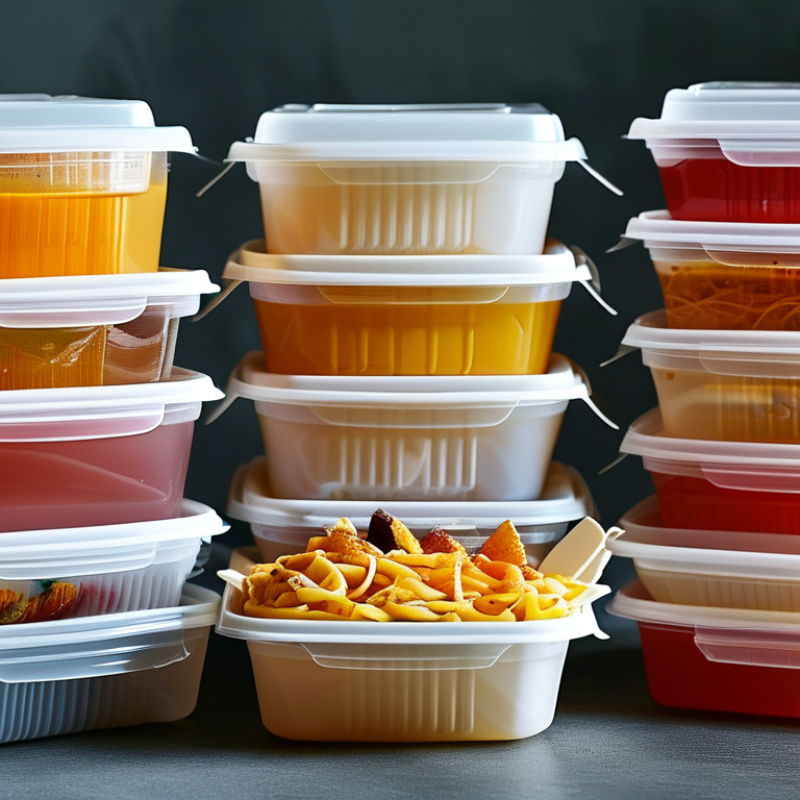
Choosing the right Plastic Take Out Food Container is a practical decision for restaurants, caterers, distributors, and international buyers. A container may look sturdy, yet fail when filled with hot soup, oily noodles, or chilled desserts. Material grade, lid security, wall thickness, stackability, and food-contact documentation all deserve close attention.

Packaging specialist Dr. Susan E. M. Selke has said, “Packaging must protect the product, communicate its value, and support its safe use.” This principle fits global food-service purchasing. The best option is not always the cheapest one. It should match the food, transport distance, storage conditions, and local waste-management systems. Small details matter. A tight lid prevents spills inside a delivery bag. Clear PP can improve product visibility. A reinforced rim can make repeated handling easier.

This guide examines seven widely used container types, including polypropylene, PET, and practical hinged designs. Each choice will be considered through leakage resistance, heat performance, appearance, storage efficiency, and supplier reliability. Buyers should also request samples and review test reports before placing large orders. Certifications and compliance documents must be checked for the destination market.

There is no perfect container.

A lightweight box may reduce shipping costs but feel less premium. A strong container may require more material. That trade-off deserves honest reflection. Some supplier claims also sound impressive without providing measurable evidence. Careful buyers should test containers with real meals, real lids, and real delivery conditions.
7 Best Plastic Take Out Food Containers for Global Buyers?

Global Buyer Criteria: Food-Contact Rules Under FDA 21 CFR and EU 10/2011

7 Best Plastic Take Out Food Containers for Global Buyers?

Selecting the seven best containers starts with food-contact compliance, not appearance. Under FDA 21 CFR, each plastic, additive, and intended use must fit an applicable authorization. Relevant provisions may include 21 CFR 177, food-contact notifications, or other recognized pathways. A supplier’s “FDA approved” phrase is not enough. Ask for the exact regulation, resin type, food category, temperature, and contact time.

EU buyers face Regulation (EU) No 10/2011 for plastic food-contact materials. It sets an overall migration limit, generally 10 mg/dm², plus substance-specific limits. Testing should match real conditions, such as hot soup, oily noodles, freezing, or repeated heating. Request the Declaration of Compliance, migration test results, and supporting information on additives and NIAS. NIAS means non-intentionally added substances. They are easy to overlook.

Details matter. A clear lid may warp above its tested temperature. A thin container may pass one test but fail after microwave exposure. Use an ISO/IEC 17025-accredited laboratory when possible. The OECD Global Plastics Outlook reported 353 million tonnes of plastic waste in 2019, with only 9% recycled. That figure strengthens the case for responsible material selection, but recyclability never replaces food-contact compliance. A practical procurement review should compare PP, PET, and other plastics against the actual meal. No checklist catches everything. I still treat incomplete supplier files as a warning, not a minor paperwork gap.

Seven PP, PET, HDPE, and PLA Container Types Compared by Use Case

7 Best Plastic Take Out Food Containers for Global Buyers?

Seven PP, PET, HDPE, and PLA Container Types Compared by Use Case

Polypropylene suits hot meals, microwave reheating, and repeated handling. A hinged PP clamshell works well for rice, noodles, and fried foods. A divided PP tray keeps sauces separate. A PP soup tub handles warm liquids, but its lid fit needs testing after transport. For chilled salads, fruit, and desserts, clear PET containers improve product visibility. PET tamper-evident bowls add practical protection during delivery. However, PET is not a universal microwave choice. Check the container specification, not just the resin name.

HDPE deli containers offer strong impact resistance for thick soups, sauces, and meal preparation. They usually look less transparent, yet that can reduce appearance concerns during rough shipping. PLA containers suit cold salads, bakery items, and short service periods. They are not ideal for hot soup or extended heat exposure. European Bioplastics reported global bioplastics production capacity of about 2.18 million tonnes in 2023, showing growing material diversity. Still, PLA supply and end-of-life systems vary widely by market. OECD’s Global Plastics Outlook estimated 353 million tonnes of plastic waste in 2019. Packaging remains a significant part of that burden. Buyers should compare wall thickness, leak testing, stacking strength, temperature range, and local recovery options. The cheapest container may create higher waste through leakage. That detail is easy to miss.

Heat Performance: PP’s 160–166°C Melting Range Versus PET and PLA

When global buyers compare plastic take-out containers, heat performance deserves more than a melting-point table. Polypropylene (PP) typically melts between 160 and 166°C. This range supports hot soups, steamed meals, and many microwave applications. However, melting point is not the same as safe operating temperature. A container can soften, warp, or lose its seal much earlier.

PET usually melts near 250–260°C, but its practical heat resistance depends on crystallinity and container design. Standard PET takeaway boxes may deform with very hot food or repeated heating. PLA often melts around 150–180°C, with a glass-transition range near 55–65°C. It can soften beside freshly cooked food, especially in a closed delivery bag. Numbers matter.

In real purchasing checks, I would request test data for filled containers, not only resin specifications. Ask about microwave exposure, hot-fill temperature, lid fit, and cooling time. PP is often the safer choice for hot meals, but “microwave-safe” still requires manufacturer validation. Material quality, wall thickness, and additives can change results. I have seen buyers overvalue the highest melting point and overlook warping at ordinary service temperatures. That is an imperfect shortcut. A small trial with boiling water, stacked lids, and a 20-minute holding period can reveal practical weaknesses before a large order.

Leak Control and Shelf Life: Lid Seals, Oxygen Barriers, and Stackability

7 Best Plastic Take Out Food Containers for Global Buyers?

Global buyers need more than an attractive shape when choosing plastic takeout containers. The best option protects food during filling, transport, refrigeration, and reheating. Start with seals. A tight rim should close evenly around every corner. Small gaps can release soup, sauces, or condensation inside delivery bags. Leak testing with warm liquids is more useful than visual inspection alone. However, no container performs perfectly with every food. That limitation deserves honest testing.

Tips: Test three sizes with the actual lid before placing a large order. Check the seal after shaking, tilting, and stacking filled containers. For oily or acidic foods, confirm material compatibility through supplier documentation. An oxygen barrier can slow oxidation, but it cannot prevent spoilage when temperature control fails. Shelf-life testing should reflect real storage conditions, including time, light, and moisture. Keep records. Small differences matter.

Stackability also affects labor and freight costs. A stable base prevents shifting during delivery and reduces crushed lids. Yet overly tight nesting can make containers difficult to separate during busy service. In packaging evaluations, a common mistake is testing empty units only. A stack holding ten empty containers may fail when filled with hot curry. Buyers should request food-contact documents, migration test reports, and production samples. These documents support reliable purchasing, but they do not replace hands-on inspection. Sometimes, the cheaper container creates more waste through leaks and rejected meals.

7 Best Plastic Take Out Food Containers for Global Buyers

Leak Control and Shelf Life: Lid Seals, Oxygen Barriers, and Stackability

The chart uses a typical performance index from 1 to 5, where higher values indicate better expected performance. Hinged PP containers offer strong stackability and practical leak control, while multilayer PP/EVOH and PET-based formats generally provide stronger oxygen protection for longer shelf life. Actual results depend on lid geometry, sealing temperature, wall thickness, filling conditions, and food type.

Sustainability Metrics: Recycling Codes, ASTM D6400, and 400+ Mt of Annual Plastic Production

For global buyers comparing seven plastic take-out containers, sustainability starts with evidence, not color or marketing language. More than 400 million metric tonnes of plastic are produced worldwide each year, so small packaging choices matter at scale. Check the molded recycling code, usually found on the base. Codes 1 and 5 may have established collection routes in some markets, while local systems differ sharply. A recycling symbol does not promise actual recovery.

Ask suppliers for resin identification, recycled-content percentages, food-contact documentation, and regional recycling guidance. Inspect a sample after filling it with hot food: warping, lid fit, and oil staining can affect reuse and sorting. Clear containers often reveal contamination quickly. That is practical, but not perfect. A code can be technically correct yet economically unrecyclable nearby. Buyers should record the destination country, collection method, and end-of-life assumption for each shortlisted container.

ASTM D6400 applies to items designed for industrial composting, where heat, moisture, oxygen, and controlled processing support disintegration. It does not mean the container will disappear in a backyard pile or ordinary landfill. Request test reports, certification scope, thickness details, and permitted claims. Compostable packaging mixed with conventional plastics can create sorting problems. The most responsible choice may still be a recyclable design, depending on local infrastructure. That uncomfortable trade-off deserves honest review, not a glossy label.

7 Best Plastic Take Out Food Containers for Global Buyers? - Sustainability Metrics: Recycling Codes, ASTM D6400, and 400+ Mt of Annual Plastic Production

Rank Container Type Typical Polymer Resin Identification Code Best Food Application Typical Temperature Suitability Recycling Profile ASTM D6400 Relevance Global Buyer Assessment
1 Microwaveable Deli Container Polypropylene (PP) #5 Hot meals, soups, noodles and prepared foods Generally suitable for hot food; microwave use depends on the specific food-contact design Technically recyclable in some markets, but collection and reprocessing availability varies widely Standard PP is not ASTM D6400 compostable; a separate certified formulation is required Strong all-purpose option where heat resistance and product durability are priorities
2 Clear Hinged Clamshell Polyethylene terephthalate (PET) #1 Salads, bakery products, fruit, sandwiches and chilled meals Best for cold or ambient food; standard PET is not intended for hot-fill or microwave heating One of the more established packaging recycling streams, subject to local collection systems Standard PET is not ASTM D6400 compostable Good visibility and presentation; suitable for buyers targeting chilled-food applications
3 Heavy-Duty Rectangular Tub High-density polyethylene (HDPE) #2 Sauces, dairy foods, cold meals and foodservice storage Good chemical resistance; heat performance depends on wall thickness and product specification Widely recognized recyclable resin; actual acceptance depends on municipal or commercial programs Standard HDPE is not ASTM D6400 compostable Durable and practical for transport, stacking and repeated foodservice handling
4 Flexible Take-Out Bag or Pouch Low-density polyethylene (LDPE) or linear low-density polyethylene (LLDPE) #4 Bakery items, frozen foods, produce and lightweight takeaway portions Generally intended for cold or ambient food; not normally selected for high-temperature meals Often recyclable through dedicated film-collection channels rather than standard curbside bins Standard LDPE/LLDPE is not ASTM D6400 compostable Low material use and compact shipping format, but film recycling access must be verified by country
5 Foam or Rigid Foodservice Box Polystyrene (PS) #6 Low-cost takeaway meals and lightweight foodservice packaging Suitable for selected hot or cold foods, but performance varies by foam density and design Recycling is limited in many regions because of low density, food contamination and collection costs Standard PS is not ASTM D6400 compostable Low purchase cost, but regulatory restrictions and weak recycling infrastructure reduce long-term suitability
6 Heat-Resistant Tray Crystallized polyethylene terephthalate (CPET) #1 Ready meals and ovenable or reheatable prepared foods designed for heat-resistant packaging Higher heat capability than standard PET when specifically engineered and labeled for that use Made from PET chemistry, but separate collection and sorting of CPET may vary by recycling system CPET is not ASTM D6400 compostable A strong choice for hot prepared meals when thermal performance is more important than compostability
7 Compostable Clear Container Polylactic acid (PLA) or another certified compostable polymer blend Often #7 Cold salads, fruit, bakery products and selected ambient takeaway foods Usually better for cold or moderate-temperature foods; product-specific limits must be followed Generally should not enter conventional PET recycling because it can contaminate the PET stream ASTM D6400 applies only when the exact product or material has been tested and certified; industrial composting is normally required Useful where certified composting collection exists; not automatically sustainable without suitable disposal infrastructure
Sustainability and compliance notes: Resin identification codes identify the primary plastic type; they do not guarantee that a package is accepted for recycling in a particular country. ASTM D6400 is a specification for compostable plastics intended for aerobic municipal and commercial or industrial composting environments. A product claim should be supported by documentation for the finished package, including any coating, ink, label, lid and additive system.
Global market context: Global annual plastic production has exceeded 400 million metric tonnes in recent industry estimates. For international purchasing, the most useful comparison is not the resin code alone, but the combination of material intensity, food-contact compliance, temperature performance, recycled-content potential, local collection availability and verified end-of-life claims.