China Best Bib Bag in Box Manufacturer for Global Buyers

China Best Bib Bag in Box Manufacturer for Global Buyers

The global packaging market is moving toward lighter, space-efficient formats. Industry forecasts from Grand View Research and Mordor Intelligence indicate steady growth for bag-in-box packaging through this decade. Their findings highlight demand from wine, juice, dairy, water, and liquid food producers.

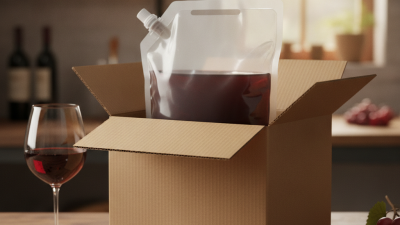
A bib bag in box combines a flexible inner bag with a protective carton. It can reduce storage volume and improve pallet efficiency. A 5-liter wine bag may sit neatly on a retail shelf. Larger 20-liter formats suit foodservice and institutional distribution. Yet performance depends on more than appearance. Buyers should examine film structure, oxygen barrier, fitment compatibility, seal strength, and filling conditions.

Smithers’ flexible packaging research emphasizes downgauging, recyclability, and supply-chain efficiency. These trends are shaping purchasing decisions for international brands. However, sustainability claims require evidence. A reliable China manufacturer should provide food-contact documentation, batch traceability, test records, and clear quality procedures. Certifications such as ISO 9001 or BRCGS may support supplier evaluation, but certificates alone prove little.

Factory experience matters. So does transparent communication.

Global buyers should compare samples under real transport conditions. Check leakage after handling, carton compression, and closure performance. Do not select a supplier by price alone. A low quotation can hide inconsistent materials, weak after-sales support, or expensive rework. No manufacturer is perfect, including established producers. The strongest partnership leaves room for testing, correction, and honest review. This guide examines how China-based bib bag in box manufacturers can meet practical requirements for quality, compliance, customization, and dependable global supply.

China Best Bib Bag in Box Manufacturer for Global Buyers

What Is a Bag-in-Box Packaging System?

What Is a Bag-in-Box Packaging System?

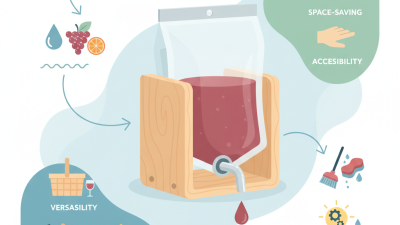
A bag-in-box system combines a flexible inner bag with a protective outer carton. The bag usually holds the liquid, while the carton provides shape, stacking strength, and handling protection. A sealed fitment and tap or spout control dispensing. This design is widely used for juices, sauces, dairy products, concentrates, and other liquid goods. It can reduce packaging weight compared with rigid containers.

The inner film must match the product. Acidic liquids, oily formulas, and oxygen-sensitive contents may require different barrier structures. Filling equipment also matters. A reliable system should support clean filling, secure sealing, and consistent fitment placement. During testing, I would check leakage, drop resistance, carton compression, and dispensing performance. Small details matter here.

Not always perfect.

A bag-in-box package is not automatically suitable for every liquid. Poor film selection can affect taste, shelf life, or seal strength. An oversized carton may waste warehouse space, while a weak carton can collapse during transport. Buyers should review product viscosity, filling temperature, storage conditions, and destination requirements before placing a large order. Practical trials remain valuable, even when technical data looks convincing. A careful manufacturer should provide material specifications, sample testing, production controls, and traceable quality records. There is room for improvement in every package, especially when real warehouse handling differs from laboratory testing.

How China’s BIB Manufacturers Design and Produce Packaging

China Best BIB Bag in Box Manufacturer for Global Buyers

How China’s BIB Manufacturers Design and Produce Packaging

China’s bag-in-box manufacturers begin with the product, filling temperature, transport route, and expected shelf life. A water-based product may need a simpler multilayer film, while oxygen-sensitive liquids require stronger barrier layers. Grand View Research valued the global bag-in-box market at about USD 4.3 billion in 2023 and forecasts continued growth through 2030. This demand is pushing factories to improve film design, not merely increase output.

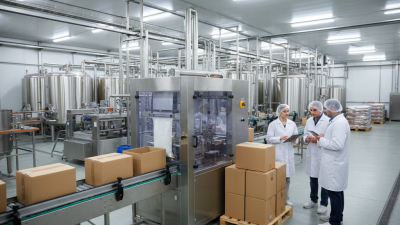
Production usually starts with blown-film extrusion and controlled layer thickness. Manufacturers then print, laminate, cure, and form the inner bag. Typical checks include seal strength, leakage, dimensional accuracy, and drop resistance. Operators may test filled bags after simulated transport, including vibration and stacking. A small sealing defect can ruin an entire pallet. It happens.

Smithers has reported that flexible packaging growth is closely linked to lightweight materials and improved resource efficiency. BIB packaging uses less material than many rigid containers and ships efficiently because the bag collapses during dispensing. However, the environmental result depends on film structure, transport distance, and local recycling systems. The industry sometimes presents this too simply.

Experienced Chinese suppliers also match fitments, taps, cartons, and filling equipment before mass production. Trial runs help reveal issues such as uneven filling or carton deformation. Technical teams should record test conditions and retain samples for later comparison. Certification documents matter, but practical factory records matter too. Better design is often learned through failed samples, not polished brochures.

Common BIB Nominal Fill Volumes for Commercial Packaging

Bag-in-box packaging is commonly produced in several nominal capacities to support different applications, including food ingredients, beverages, sauces, and liquid concentrates. The chart shows representative commercial fill volumes rather than market-share data.

Larger formats can reduce packaging material and handling per liter, while smaller formats offer easier storage, dispensing, and portion control. Actual specifications depend on the product, filling process, barrier requirements, and customer packaging design.

Which Materials and Features Define a High-Quality BIB Bag?

China Best BIB Bag in Box Manufacturer for Global Buyers

A high-quality BIB bag begins with the right film structure. Food-grade polyethylene provides flexibility and reliable heat sealing. EVOH or metallized layers improve oxygen and light protection. The exact barrier depends on juice, wine, dairy, or liquid food chemistry.

The fitment matters too. A cleanly molded spout should resist cracking during filling and transport. Strong seals must survive pressure, vibration, and warehouse stacking. The Flexible Packaging Association’s 2023 life-cycle study found flexible formats can use up to 60% less plastic than comparable rigid packaging under studied conditions. That advantage disappears if leakage creates product waste.

Grand View Research estimated the global bag-in-box market at roughly USD 4 billion in 2023, with continued growth expected through 2030. This demand raises quality expectations. Practical testing should include drop tests, seal-strength checks, oxygen transmission, and accelerated shelf-life trials. Small details matter. A poorly aligned corner can weaken stacking performance.

Recyclability also requires honest evaluation. Multi-layer barriers improve protection, but they may complicate recycling systems. Mono-material PE structures can simplify recovery, yet they may provide weaker oxygen resistance. No structure is perfect. Experienced manufacturers should document migration testing, material specifications, batch traceability, and filling-line performance. Those records help buyers compare real reliability, not attractive claims.

How Global Buyers Evaluate Chinese BIB Bag Manufacturers

Global buyers evaluate Chinese BIB bag manufacturers through evidence, not attractive catalog photos. An experienced purchasing team checks film structure, seal strength, filling performance, and batch consistency. During a factory visit, inspect material storage, clean production areas, and inspection records. Ask for samples from different production dates. One perfect sample proves little. Request migration, tensile, drop, and leakage test reports from qualified laboratories. Confirm whether the manufacturer explains test methods and acceptance limits clearly. This reflects technical knowledge and dependable communication.

Tips: Compare at least three suppliers. Check factory capacity, not only quoted prices. Ask how defects are recorded and corrected. Review packaging details, including carton strength, pallet stability, and moisture protection. Small details matter.

In practical sourcing work, a supplier may pass one trial and struggle under a rushed schedule. Buyers should review lead times, backup materials, and production planning before signing an order. A reliable manufacturer can provide traceable batch numbers and retain samples for later investigation. It should also support filling trials with suitable bag dimensions, fitments, and aseptic or standard structures when required. Do not accept vague claims about food-contact safety. Verify current certificates, laboratory scope, and document validity. Communication can still fail, even with good products. Written specifications, approved samples, and inspection checkpoints reduce that risk. A thoughtful buyer also allows time for corrective action, because no factory performs perfectly in every production cycle.

What Are the Main Applications and Export Considerations for BIB Bags?

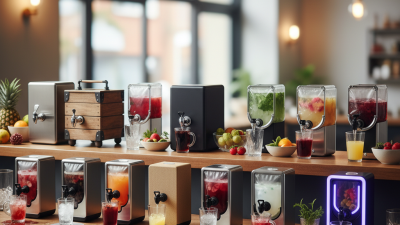
Bag-in-box (BIB) bags serve juice, wine, dairy products, sauces, edible oils, and drinking water. They also suit non-hazardous liquid chemicals when compatibility is verified. Smithers’ 2024 packaging study projects steady global BIB growth above 6% annually through 2029. This demand reflects lower packaging weight, efficient pallet use, and reduced product exposure to oxygen. A 10-litre bag can replace several rigid containers. It also collapses after dispensing. Practical details matter. Film thickness, oxygen barrier layers, fitment strength, and filling temperature must match the product. A weak seal can ruin an otherwise excellent shipment.

Export buyers should request migration tests, seal-strength data, burst testing, and transport simulation records. ASTM D4169 or equivalent procedures can help assess vibration, compression, and drops. Food-contact materials must meet destination rules, such as EU Framework Regulation 1935/2004 or applicable United States requirements. The European Commission’s Packaging and Packaging Waste Regulation also increases pressure for recyclable packaging design toward 2030. Customs documents should clearly state material structure, capacity, intended use, and country of origin. Confirm the correct HS classification with a broker. Do not assume one certificate works everywhere. That assumption fails often. In practice, suppliers should provide batch traceability, inspection photos, and retain samples before loading. A practical weakness remains: barrier films may improve shelf life but complicate recycling. Export decisions therefore need product testing, destination research, and honest trade-offs.

China Best Bib Bag in Box Manufacturer for Global Buyers - What Are the Main Applications and Export Considerations for BIB Bags?

A practical reference table covering common applications, bag specifications, material choices, and key export considerations for bag-in-box packaging.

Application Typical Products Common Filling Volume Recommended Bag Structure Typical Closure or Fitting Main Performance Requirements Important Export Considerations
Wine and Other Beverages Still wine, fruit wine, cocktails, juice-based drinks, and concentrated beverages 1.5–20 L Bulk: 200–1,000 L Food-contact polyethylene film; multilayer oxygen-barrier film for products sensitive to oxidation Spout, tap, or wine-specific fitment; filling system must match the selected connector Low oxygen transmission, reliable seal strength, light protection where required, and controlled dispensing Food-contact compliance for the destination market; confirm migration testing, closure compatibility, pallet stability, and transport temperature limits
Liquid Food Ingredients Edible oils, sauces, syrups, liquid egg products, dairy ingredients, and fruit preparations 5–25 L Industrial: 200–1,000 L Multilayer PE film; high-barrier or light-resistant structure for oxygen- or light-sensitive ingredients Sanitary fitment, cap, valve, or aseptic-compatible connector depending on the filling process Grease resistance, chemical compatibility, hygienic filling, puncture resistance, and secure hermetic sealing Verify food-contact declarations, applicable testing requirements, lot traceability, and whether the product is shipped under ambient, chilled, or aseptic conditions
Water and Institutional Drinks Drinking water, flavored water, sports drinks, and beverages for offices or events 3–20 L Standard food-grade PE film for short-to-medium shelf life; barrier film for extended distribution Integrated tap, push-button tap, or standard beverage fitment Clean dispensing, leak prevention, easy handling, good carton fit, and resistance to drop and compression damage Check local potable-water and food-packaging rules; evaluate carton strength, stacking pattern, container dimensions, and last-mile handling conditions
Pharmaceutical and Nutraceutical Liquids Non-sterile liquid supplements, oral solutions, process liquids, and selected pharmaceutical ingredients 1–20 L Bulk: 200–1,000 L Validated multilayer PE film; higher-barrier or cleanroom-produced structures may be required Controlled-diameter fitment, sterile-compatible connector, or customized valve where applicable Low extractables and leachables, particulate control, consistent sealing, chemical compatibility, and documented batch traceability Destination-country pharmaceutical packaging requirements may apply; request technical files, certificates, change-control procedures, and validation evidence before approval
Personal Care and Cosmetics Shampoo, liquid soap, lotion, creams, gels, and cosmetic raw materials 5–25 L Bulk: 200–1,000 L PE-based multilayer film selected for compatibility with oils, alcohols, surfactants, or emulsions Standard spout, cap, valve, or customized dispensing fitment Odor neutrality, product compatibility, clean emptying, seal integrity, and resistance to puncture during warehouse handling Confirm compatibility testing, cosmetic packaging declarations, labeling language, carton markings, and restrictions on ingredients in the destination market
Agricultural and Industrial Liquids Fertilizer solutions, crop-treatment formulations, detergents, lubricants, and processing chemicals 10–25 L Bulk: 200–1,000 L Chemically compatible PE film; barrier or reinforced structures for aggressive formulations and long-distance transport Industrial valve, cap, drum-style connector, or discharge fitting selected for the liquid's viscosity and chemistry Chemical resistance, high puncture strength, pressure control, low leakage risk, and safe unloading Determine whether the filled product is regulated as dangerous goods; confirm UN packaging requirements, SDS information, transport mode, and customs classification
Aseptic and Extended-Shelf-Life Products Aseptic juice, dairy beverages, liquid food bases, and shelf-stable ingredients 5–20 L Bulk: 200–1,000 L High-barrier multilayer film, commonly incorporating an oxygen- and light-barrier layer selected for the filling process Aseptic-compatible fitment and closure system; sterilization method must be validated with the bag structure Sterility assurance, low oxygen and water-vapor transmission, seal reliability, and shelf-life performance Require process validation, microbial barrier data, sterilization compatibility, shelf-life evidence, and close coordination between bag and filling-machine suppliers
Bulk Transport and Processing Liquid food ingredients, beverage concentrates, pharmaceutical intermediates, and industrial liquids 200–1,000 L Heavy-duty multilayer bag, usually used with an outer carton, crate, pallet box, or reusable transport container Bottom discharge valve, top-fill port, or customized filling and unloading assembly Load-bearing performance, drop resistance, puncture resistance, controlled discharge, and compatibility with handling equipment Validate pallet pattern, gross weight, container dimensions, forklift access, stacking limits, moisture protection, and return or disposal procedures
Material Selection Film selection based on product chemistry, shelf life, filling process, and distribution route Determined by required capacity and equipment Monolayer PE Multilayer PE High-barrier film Fitment resin and geometry must match the bag film and filling equipment Evaluate oxygen transmission rate, water-vapor transmission rate, seal strength, coefficient of friction, puncture resistance, and product compatibility Obtain a complete material specification, food-contact or product-contact declaration where applicable, test reports, and confirmation of restricted-substance compliance
Export Documentation Commercial shipments of empty BIB bags, fitments, cartons, and assembled packaging systems Based on purchase order and shipping unit Packaging configuration should be defined for export compression, humidity, and handling conditions List fitment type, cap type, valve type, and number of components per shipping unit Consistent dimensions, verified net and gross weight, traceable production lots, and controlled packaging cleanliness Prepare commercial invoice, packing list, transport documents, country-of-origin information, product specifications, certificates of analysis when required, and customs tariff classification
Quality and Shipment Inspection Pre-shipment verification for dimensions, sealing, fitments, print, cleanliness, and packing condition Sampling plan agreed with the buyer Production lot and film structure must match the approved specification Check fitment dimensions, torque, cap engagement, valve operation, and leakage performance Visual inspection, dimensional checks, seal-strength testing, leak testing, burst or pressure testing where relevant, and carton inspection Agree acceptance criteria before production; retain reference samples and batch records; define procedures for nonconforming goods and claim handling

Note: Filling volumes, film structures, fitments, and regulatory requirements vary according to the product formulation, shelf-life target, filling equipment, transport route, and destination market. Final specifications should be confirmed through product-compatibility and packaging-performance testing.