How to Choose the Best Juice Pasteurizer Machine for Your Business Needs
In the ever-evolving juice industry, selecting the right juice pasteurizer machine is crucial for maintaining product quality and safety. According to a report by MarketsandMarkets, the global juice processing equipment market is projected to reach USD 12.2 billion by 2025, growing at a CAGR of 7.4%. This growth signifies the increasing demand for processed juices that not only meet consumer preferences but also comply with stringent safety regulations. As businesses strive to enhance their production capabilities, investing in an efficient and reliable juice pasteurizer machine becomes a priority.
Choosing the best juice pasteurizer machine requires careful consideration of various factors, including production capacity, energy efficiency, and pasteurization technology. The unique needs of a business—whether small-scale operations or large manufacturers—play a pivotal role in determining the suitable type of machine. Furthermore, advancements in technology, such as high-temperature short-time (HTST) pasteurization, have proven to preserve the nutritional quality of juice while extending shelf life. As we explore the available options in the current market landscape, understanding these factors will empower businesses to make informed decisions that align with their operational needs and growth aspirations.
Factors to Consider When Selecting a Juice Pasteurizer Machine for Your Business
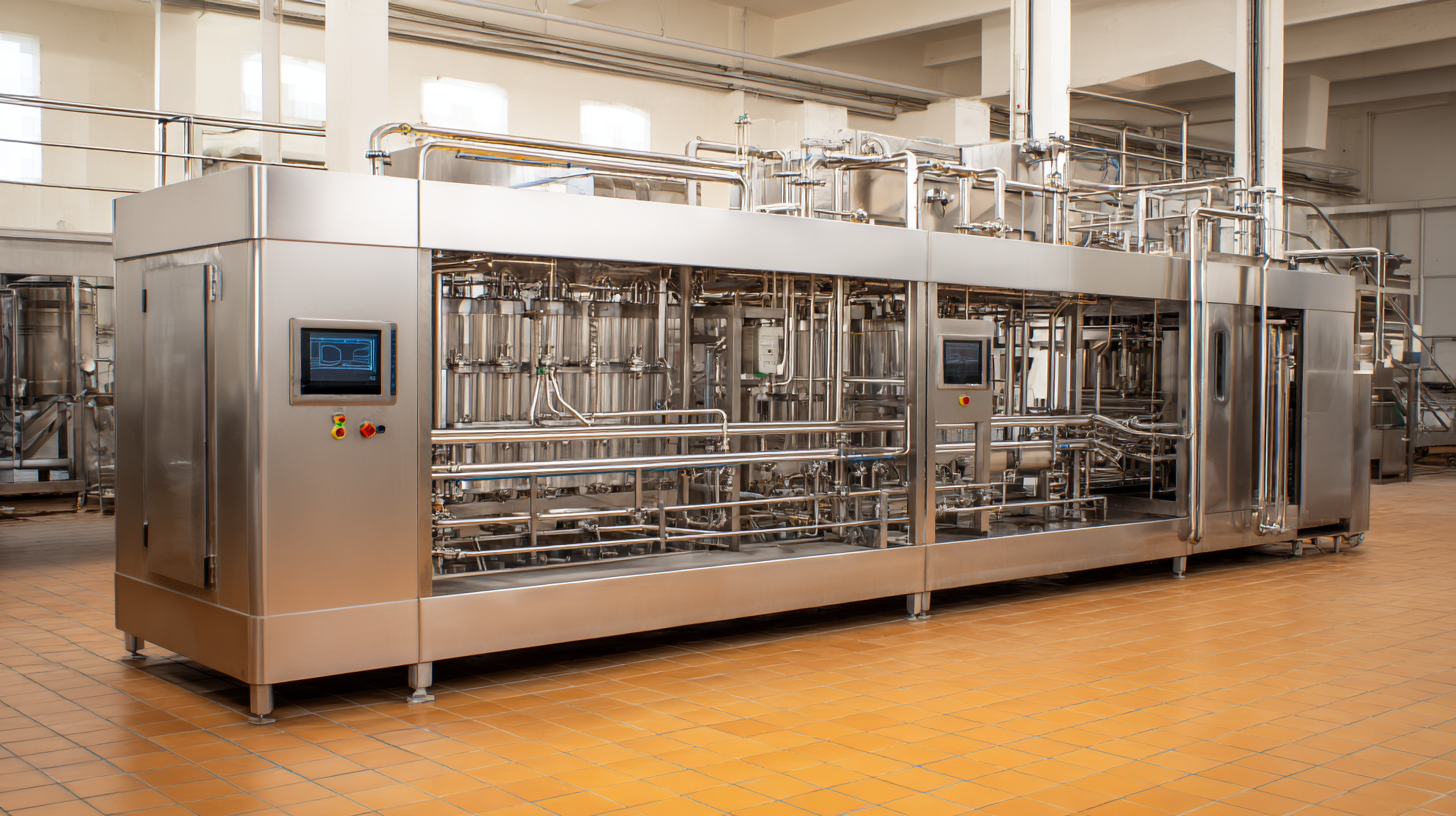
When selecting a juice pasteurizer machine for your business, it's crucial to consider several key factors to ensure optimal performance and quality. One of the primary considerations is the type of juice you plan to produce. With the recent surge in popularity of HPP (High Pressure Processing) juices, which have seen remarkable sales growth, your pasteurizer must accommodate this technology if you aim to tap into this trending market. Machines that cater to cold pasteurization processes help maintain the nutrients and fresh flavors that consumers demand.
Additionally, throughput capacity is vital—how much juice you intend to process on a daily basis will influence your choice. It's essential to match the pasteurizer's capacity with your production goals to avoid bottlenecks. Energy efficiency and ease of maintenance also play significant roles in your selection. Modern machines often come equipped with advanced technologies that reduce energy consumption and simplify cleaning processes, ultimately lowering operational costs. As the demand for innovative juice products continues to rise, selecting the right pasteurizer is fundamental to positioning your business for success in this growing market.
Top Features of Efficient Juice Pasteurizers for the Food and Beverage Industry
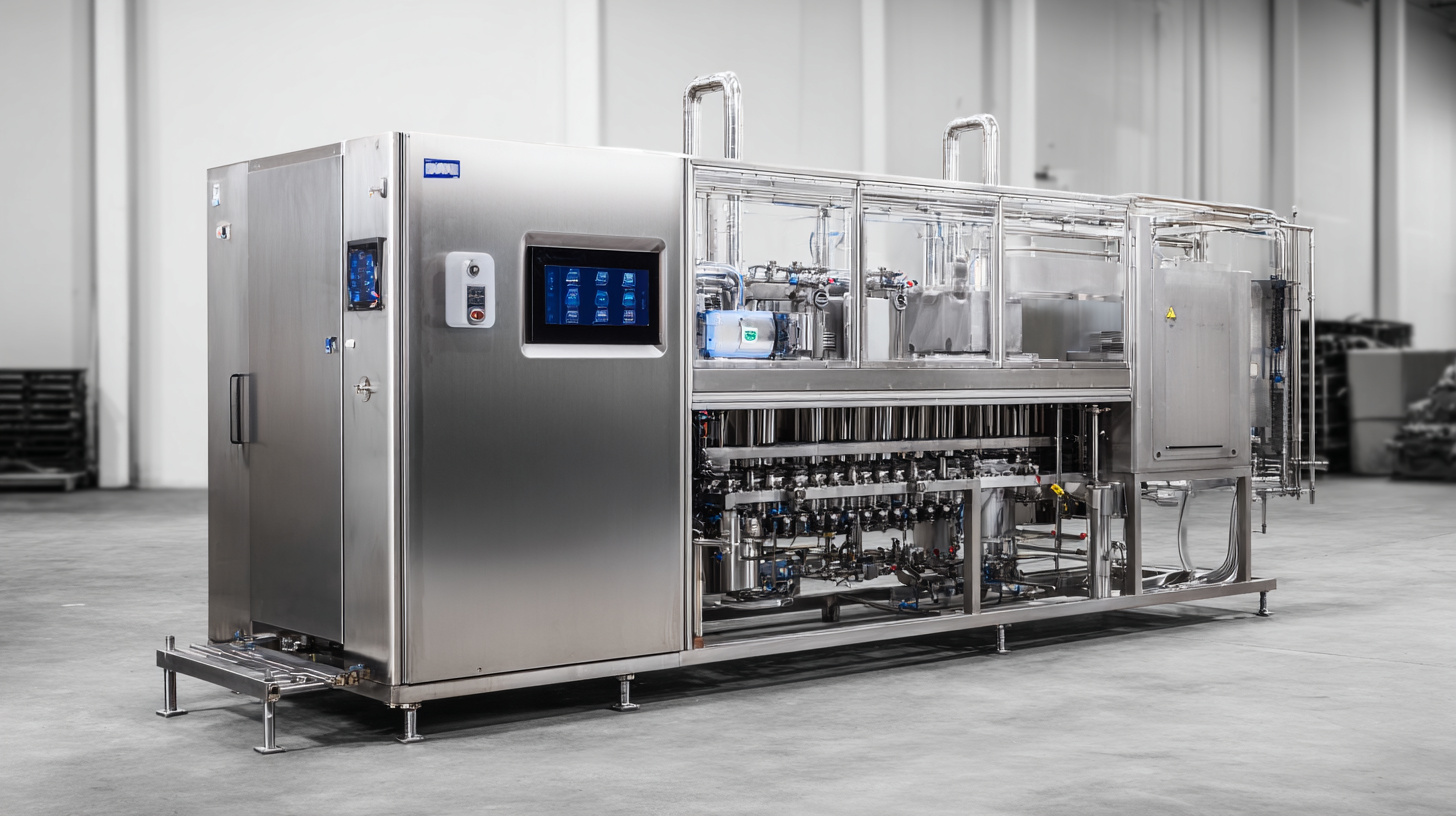
When selecting a juice pasteurizer machine for your business, it’s essential to consider the key features that ensure efficiency and quality. Firstly, look for machines equipped with advanced temperature control systems. These systems guarantee that pasteurization occurs at the ideal temperature for the required time, ensuring optimal microbial reduction while preserving the juice's flavor and nutritional value.
Another critical feature is the machine's size and capacity. Depending on your production volume, you may need a compact model for smaller batches or a larger industrial solution for high-throughput operations. Additionally, consider the ease of use and maintenance. Machines with user-friendly interfaces and easy cleaning protocols can save time and labor costs, making them a practical choice for busy production environments.
Tip: Always check for energy efficiency ratings. An energy-efficient machine not only reduces operational costs but also contributes to a more sustainable production process, aligning with modern consumer preferences for environmentally friendly practices. Evaluate the overall build quality and durability as well, ensuring that the pasteurizer can withstand the demands of daily use in a commercial setting.
Top Features of Efficient Juice Pasteurizers
Comparative Analysis of Pasteurization Technologies and Their Impact on Juice Quality
When selecting a juice pasteurizer machine, understanding the various pasteurization technologies and their impacts on juice quality is crucial. Non-thermal pasteurization has emerged as a leader in preserving the nutritional value and sensory qualities of juices. With a projected market growth from $4.13 billion in 2024 to $19.62 billion by 2032, reflecting a CAGR of 21.5%, this technology is gaining significant traction among juice manufacturers aiming to deliver high-quality products.
Research highlights the effect of pasteurization temperatures on juice characteristics, particularly the stability of anthocyanins in colored-flesh potato juices. This color retention is essential for visual appeal and consumer acceptance. Moreover, advances such as NIR spectroscopy provide an efficient and cost-effective means of assessing juice quality and detecting adulteration, ensuring that the final product not only meets safety standards but also maintains the unique flavors and health benefits consumers expect. Understanding these technologies can guide businesses in choosing the right equipment that aligns with their quality assurance goals.
Market Trends: Expected Growth of Juice Pasteurizer Sales by 2025
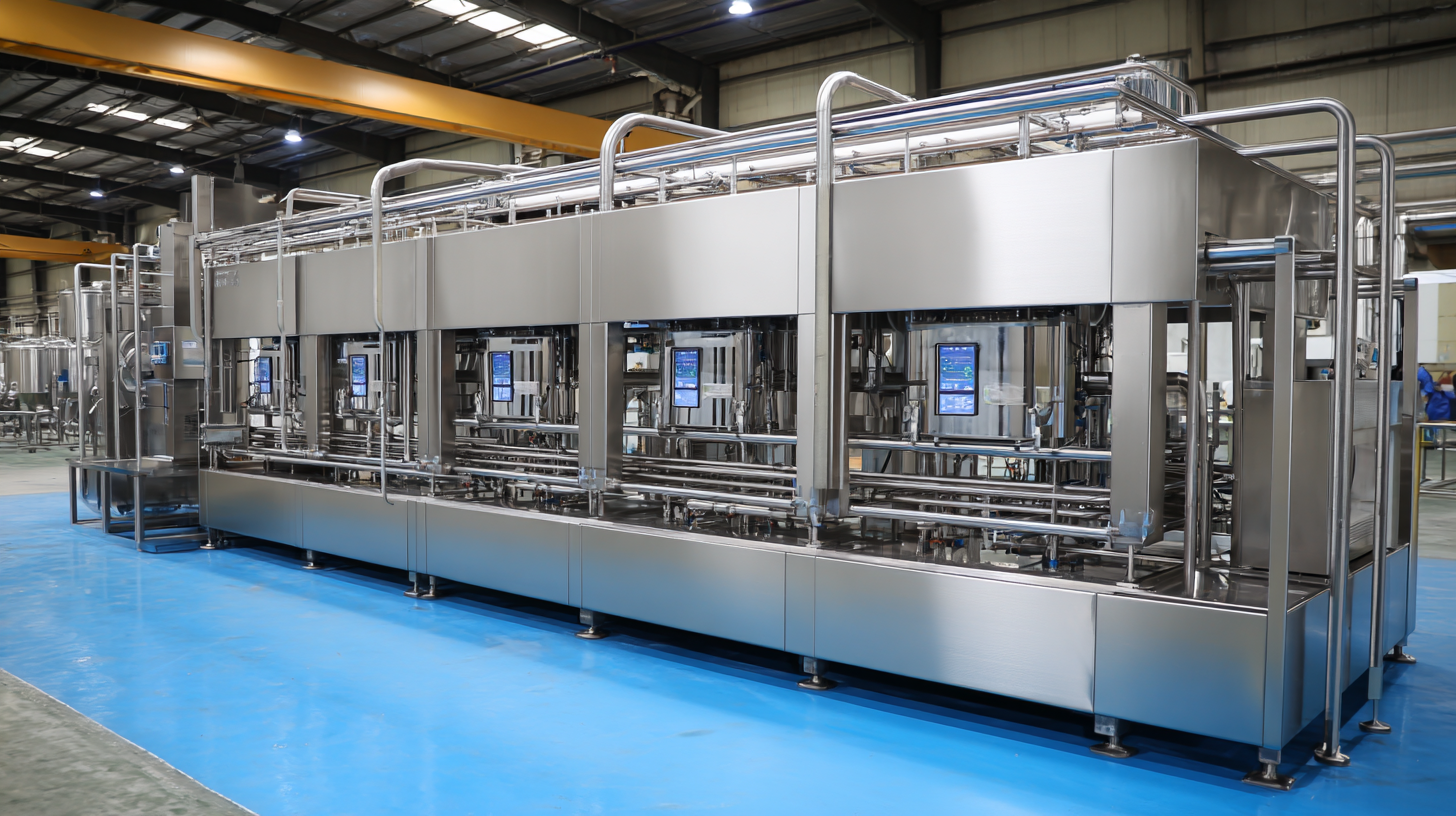
The juice pasteurizer market is poised for significant growth in the coming years, driven by increasing health awareness and rising demand for safe, nutritious beverages.
Research from leading industry analysts indicates that the global juice pasteurizer sales are expected to grow at a compound annual growth rate (CAGR) of 6.5% between 2021 and 2025. This surge is attributed to the expanding beverage industry, particularly in regions with a growing preference for fresh and organic juices.
In addition to the rising health trends, advancements in pasteurization technology are enhancing the efficiency and effectiveness of juice processing, further stimulating market growth.
Innovations such as high-temperature short-time (HTST) pasteurization and continuous flow systems are being adopted to improve product quality while minimizing nutrient loss.
A report by Market Research Future suggests that these technological enhancements could push the market's value to over $1.2 billion by 2025, as more businesses recognize the importance of investing in quality machinery to meet consumer demands for safer and fresher juice products.
Cost-Benefit Analysis: Evaluating Investment in a Juice Pasteurizer vs. Traditional Methods
When considering the investment in a juice pasteurizer machine, a cost-benefit analysis is crucial in evaluating its advantages over traditional methods. Unlike conventional pasteurization, which often relies on extensive heating and cooling cycles that can degrade product quality, a modern juice pasteurizer offers improved efficiency and consistency. By maintaining optimal temperature control, these machines preserve vital nutrients and flavor, which can enhance the quality of the juice and ultimately lead to increased customer satisfaction and loyalty.
Moreover, the financial implications of switching to a pasteurizer are significant. While the upfront cost may appear daunting, the long-term savings from reduced labor, lower energy consumption, and decreased waste can justify the investment. Juice pasteurizers also enable businesses to scale production more efficiently, meeting rising demand without compromising safety or quality. In contrast, traditional methods may involve greater oversight and longer processing times, which can limit bottling capacity and slow down revenue growth. Thus, evaluating the potential return on investment is essential for any business looking to enhance their juice production capabilities.
How to Choose the Best Juice Pasteurizer Machine for Your Business Needs - Cost-Benefit Analysis
| Criteria |
Juice Pasteurizer Machine |
Traditional Methods |
| Initial Investment Cost |
$15,000 |
$5,000 |
| Operational Cost per Batch |
$200 |
$500 |
| Production Volume per Hour |
1,000 liters |
250 liters |
| Efficiency (%) |
90% |
60% |
| Maintenance Frequency (per year) |
2 |
4 |
| Payback Period (years) |
3 |
1 |