2025 How to Choose the Best Vegetable Processing Machine for Your Needs
In the ever-evolving landscape of food processing, the selection of the right vegetable processing machine has become crucial for manufacturers aiming to enhance efficiency and meet consumer demands. According to a recent report by MarketsandMarkets, the global market for vegetable processing equipment is projected to reach USD 7.7 billion by 2025, growing at a compound annual growth rate (CAGR) of 5.3%. This growth is driven by increasing consumer preferences for convenience foods, coupled with rising health consciousness, which underscores the need for effective processing solutions.
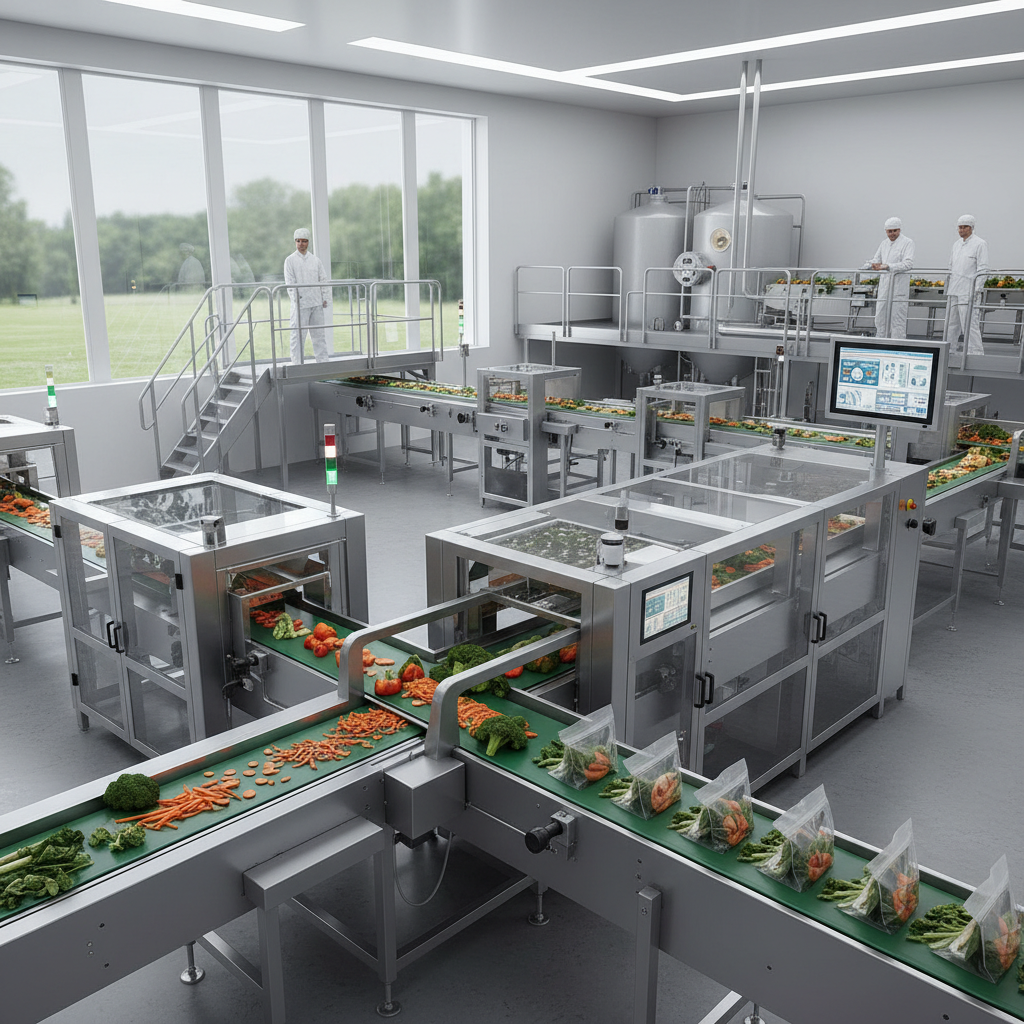
As businesses navigate this competitive environment, choosing the best vegetable processing machine tailored to their specific needs is paramount. Factors such as production capacity, technology advancements, and equipment versatility play pivotal roles in the decision-making process. Furthermore, according to the Food Processing Suppliers Association (FPSA), nearly 70% of food manufacturers indicate that they prioritize automation and efficiency in their equipment choices, highlighting the necessity of investing in state-of-the-art machinery.
In summary, the decision-making process for selecting an optimal vegetable processing machine should not be taken lightly. With industry trends and data suggesting a growing demand for processed vegetables, understanding the nuances of available technology and aligning them with business goals will be essential for success in the dynamic food market.
Key Features to Consider When Selecting Vegetable Processing Machines
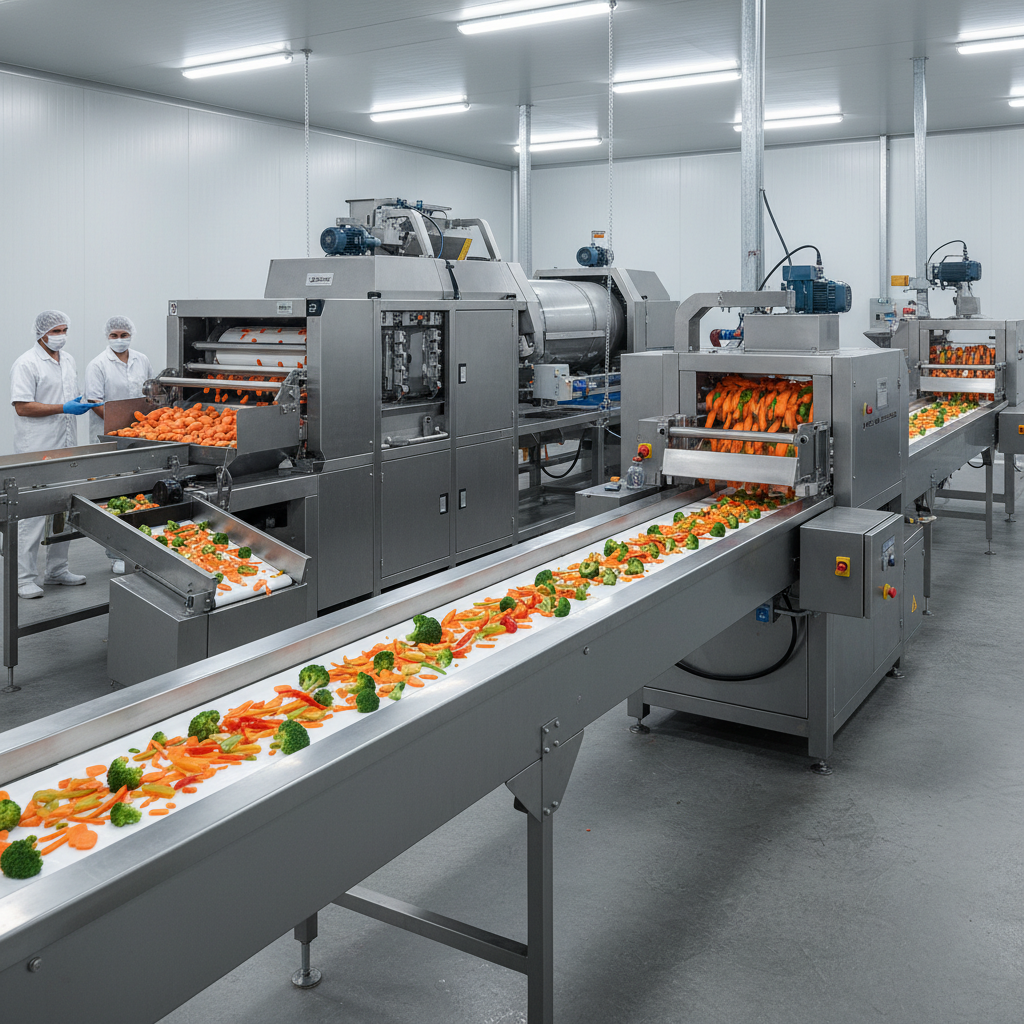
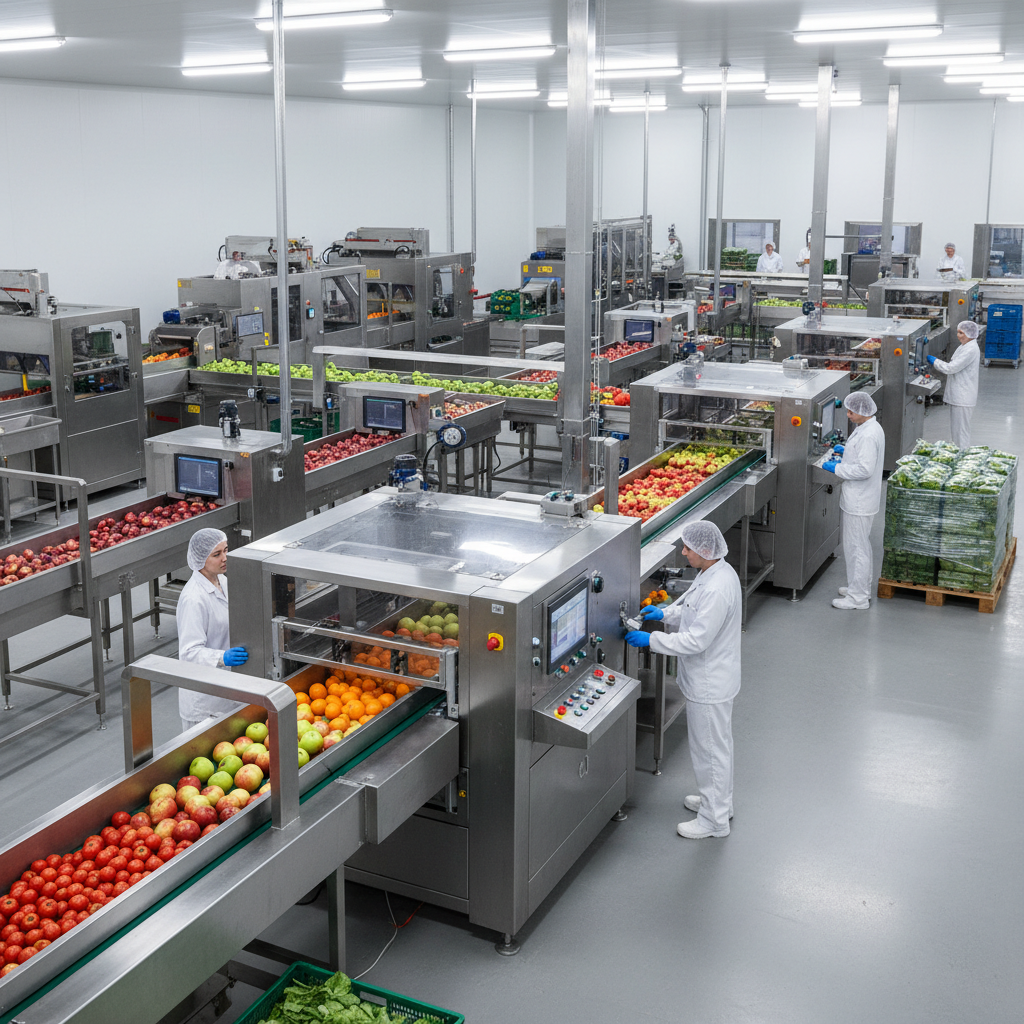
When selecting the best vegetable processing machine for your needs, several key features should be at the forefront of your decision-making process. One critical aspect is the capacity of the machine. Industry reports indicate that the global vegetable processing equipment market is projected to grow at a CAGR of approximately 6% from 2022 to 2027, driven by increasing consumer demand for processed foods. Therefore, aligning the machine’s capacity with your production goals is essential to ensure efficiency and output.
Another important feature to consider is versatility. Machines that can perform multiple functions, such as washing, cutting, and packaging, can save both time and operational costs. According to a recent study by Grand View Research, the multifunctional vegetable processing equipment segment is expected to dominate the market due to its ability to streamline processing workflows. Additionally, ensure that the machine is easy to maintain and clean, which will contribute to food safety and prolong the life of your equipment. With these features in mind, you can make an informed choice that suits your business’s specific requirements.
Market Trends: Insights on Global Vegetable Processing Equipment Demand
The vegetable processing equipment market is experiencing significant growth, driven by the increasing demand for processed and convenience foods. As of 2023, the value of the fruit and vegetable sorting equipment market stands at approximately $455.79 million, with projections indicating an ascent to $475.39 million by 2024. This upward trajectory continues, with predictions reaching approximately $662.05 million by 2032. The global fruit and vegetable processing market is also on a promising path, estimated to be valued at around $36.99 billion in 2024 and set to expand to $63.61 billion by 2033, highlighting a compound annual growth rate (CAGR) of 6.2%.
In tandem, the broader food processing equipment market is poised for growth. The market's worth in 2019 was valued at $45.01 billion, with expectations of achieving approximately $79.7 billion by 2032, reflecting a CAGR of 4.2%. This growth is particularly evident in the Asia-Pacific region where the demand for advanced processing solutions is on the rise. The increasing need for efficiency in food production and the burgeoning trend towards processed foods underscore the necessity for innovative vegetable processing machinery that aligns with these market dynamics.
Top 5 Brands Dominating the Vegetable Processing Machine Industry in 2025
When selecting the best vegetable processing machine for your needs, it's essential to consider the brands that currently dominate the market. In 2025, the industry is mainly led by five key players: Hobart, OMax, Kiremko, Biro, and Smeg. Hobart continues to remain a favorite due to their durable and efficient machines that are renowned for their performance in high-volume settings. OMax, with its innovative water jet technology, caters to precision cutting, making it ideal for specialty processing. Kiremko’s integrated approach offers solutions that maximize processing efficiency, while Biro remains synonymous with exceptional meat and vegetable slicers.
Tips: Always assess the specifications of each machine. Look for features that cater specifically to your operational requirements, such as speed, capacity, and ease of cleaning. You can also evaluate recent reports which indicate that brands like Smeg have improved their energy efficiency levels by over 25% compared to past models, a key factor for long-term cost savings.
This year's market trends, notably driven by advancements in automation and energy efficiency, suggest a shift toward machines that can integrate seamlessly into existing production lines. Research shows that manufacturers investing in technology that enhances automation report productivity increases of up to 30%. Choosing a brand that stays ahead of these trends can significantly benefit your operations.
2025 Vegetable Processing Machine Evaluation
This chart represents the evaluation of key features for vegetable processing machines in 2025. The ratings are indicative of various aspects that potential buyers might consider when selecting a suitable machine for their needs.
Cost Analysis: Understanding the ROI of Vegetable Processing Equipment
The vegetable processing equipment market is experiencing significant growth, underscored by a projected increase in value from $455.79 million in 2023 to $475.39 million in 2024. This trend highlights the escalating demand for efficient and innovative solutions in the sector. As businesses strive for greater productivity and quality, understanding the return on investment (ROI) of processing equipment is crucial. A well-selected machine not only enhances operational efficiency but also increases profit margins by reducing labor costs and minimizing waste.
Furthermore, the market is forecasted to reach $662.05 million by 2032, indicating an ample opportunity for manufacturers and processors alike. Conducting a thorough cost analysis is vital for producers when selecting the best vegetable processing equipment. Assessing factors such as machine durability, energy consumption, and the potential for automation can significantly influence ROI. As the market trends evolve, companies must stay informed to ensure that their investment aligns with both current needs and future growth potential.
2025 How to Choose the Best Vegetable Processing Machine for Your Needs - Cost Analysis: Understanding the ROI of Vegetable Processing Equipment
| Machine Type |
Initial Cost ($) |
Annual Operating Cost ($) |
Expected Lifespan (Years) |
Estimated Annual Revenue ($) |
ROI (%) |
| Vegetable Cutter |
3,000 |
500 |
7 |
15,000 |
400% |
| Peeler |
2,500 |
400 |
5 |
10,000 |
300% |
| Blancher |
7,000 |
600 |
10 |
30,000 |
420% |
| Slicer |
4,500 |
550 |
8 |
20,000 |
350% |
| Drying Machine |
9,000 |
800 |
12 |
40,000 |
400% |
Technological Innovations Shaping the Future of Vegetable Processing Machinery
The vegetable processing industry is experiencing a significant transformation driven by technological innovations. New advancements in automation and artificial intelligence are enhancing the efficiency of processing machines, allowing for faster production while reducing labor costs. For instance, smart sorting systems equipped with machine vision can quickly identify and separate vegetables based on quality and size, ensuring that only the best produce reaches the packaging stage. This not only improves the product's overall quality but also minimizes waste, aligning with sustainable practices.
Moreover, energy-efficient technologies are becoming increasingly important as manufacturers seek to reduce their environmental footprint. Modern vegetable processing machines are designed to consume less energy while maintaining high performance, thanks to innovations such as variable speed drives and energy recovery systems. These improvements contribute to reduced operational costs and make businesses more competitive in a market that increasingly values sustainability. As such, choosing the best vegetable processing machine in 2025 will hinge upon understanding these technological advancements and selecting equipment that integrates seamlessly with future needs.