How to Choose the Right Juice Pasteurizer for Your Business?
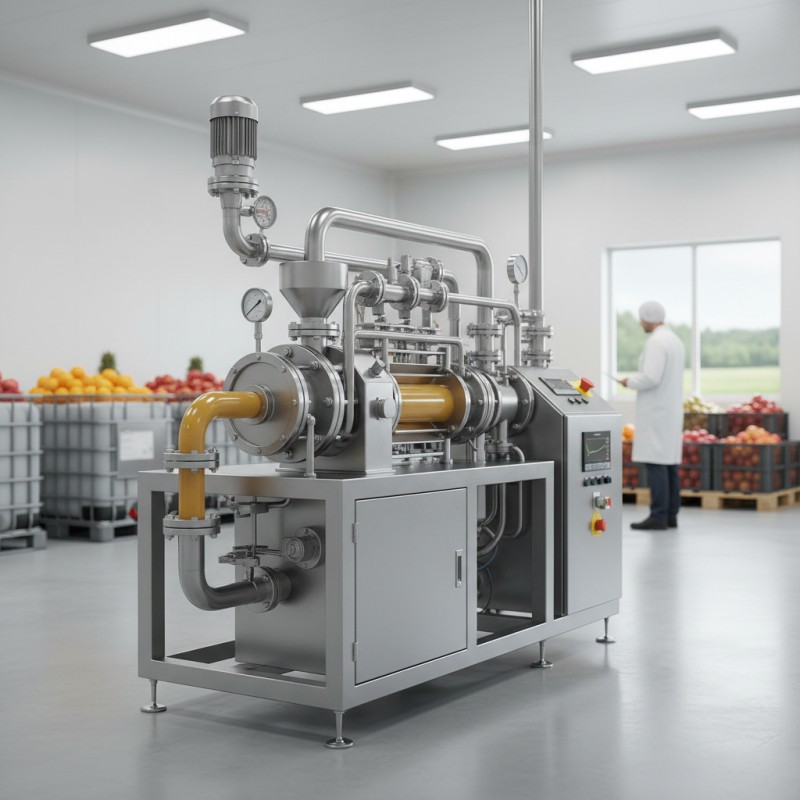
Choosing the right juice pasteurizer is crucial for any juice business. A high-quality juice pasteurizer ensures safety and enhances flavor. It helps preserve vitamins and nutrients in the juice, making it a better product for consumers. However, selecting the perfect machine can be challenging.
Consider various factors when making your choice. Think about your production volume. Is it large or small? Different models cater to different needs. Look at the energy efficiency of the juice pasteurizer. This detail affects operational costs. You might want a machine that balances performance and cost.
Also, reflect on your space and budget constraints. Some machines require more room than others. This could limit your options. Be mindful of how each model aligns with your business goals. Ultimately, the right juice pasteurizer can elevate your juice quality, but the decision must be well-considered.
Understanding the Importance of Juice Pasteurization in Food Safety
Juice pasteurization plays a crucial role in ensuring food safety. This process heats the juice to kill harmful bacteria, viruses, and pathogens. Without pasteurization, fresh juice could pose serious health risks to consumers. Many people underestimate the importance of this step. Some think fresh juice is safe regardless of handling, but this is not true.
Choosing the right pasteurizer is key for any juice business. There are different types available, from high-temperature short-time (HTST) units to slower continuous systems. Each has its pros and cons. Businesses must evaluate their production needs and budget constraints carefully. A smaller operation might lean towards a batch system, while larger ones may benefit from high-capacity models.
It's important to consider efficiency. Heat treatment must be uniform to ensure safety. Inconsistent processing can lead to unsafe products. Taking shortcuts can be tempting, yet they may endanger public health. Reflecting on these details will help in making an informed decision.
Juice Pasteurization Temperature and Time Standards
Key Factors to Consider When Selecting a Juice Pasteurizer
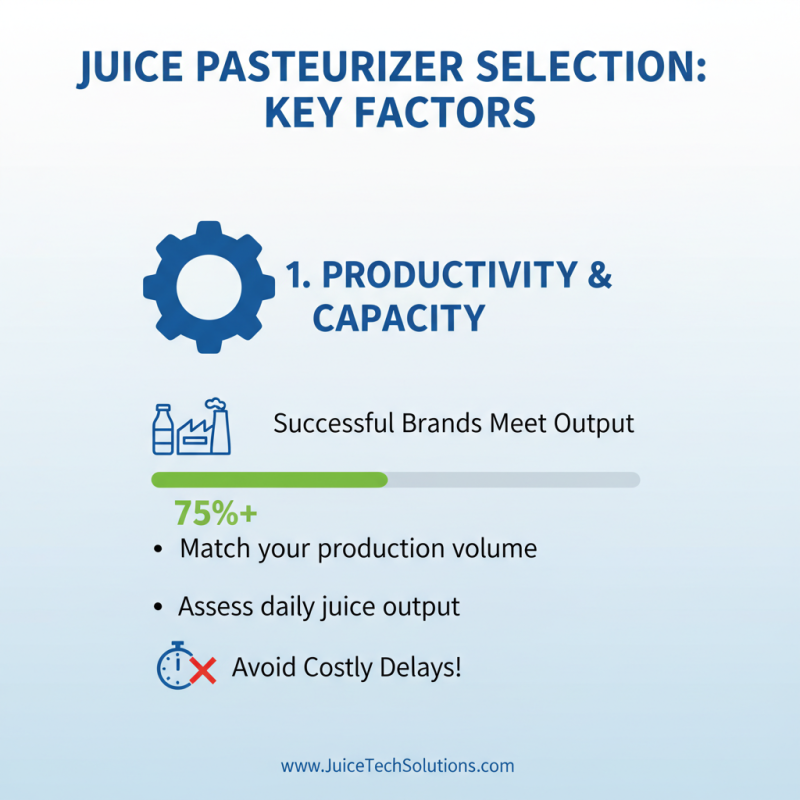
When selecting a juice pasteurizer, several key factors must be considered. Productivity is crucial; the pasteurizer should match your production volume. Industry data suggests that over 75% of successful juice brands consistently meet their output targets. Underestimating capacity can lead to costly delays. Ensure you assess how much juice you intend to produce daily.
Energy efficiency also plays a vital role. According to recent reports, energy costs can account for about 20% of total operational expenses in juice production. Choosing a model that conserves energy may offer significant savings. Many businesses overlook this detail, focusing solely on upfront costs. They later find themselves burdened by high energy bills, reducing profit margins.
Finally, consider the technology used in the pasteurizer. Advanced features, such as automated temperature controls, can enhance consistency and safety. Yet, systems with too many complexities may require specialized training for staff. Not all employees are comfortable with high-tech machinery, which can impede workflow. Balancing innovation with user-friendliness is essential for smooth operation in a busy production environment.
Comparing Different Types of Juice Pasteurizers and Their Applications
When choosing a juice pasteurizer for your business, understanding the different types available is crucial.
Batch pasteurizers are common in small operations.
They heat juice in large containers, ensuring safety but taking longer to process. This method can impact flavor and nutrient retention.
Reports from the Juice Processing Industry indicate that batch systems may reduce vitamin C by up to 30% due to prolonged heating.
In contrast, continuous pasteurizers offer faster processing.
These units keep juice flowing through a heat exchanger, minimizing exposure to high temperatures.
The benefit is clear: better taste and more nutrients preserved.
However, these systems can be more complex and costly to maintain. According to industry data, continuous systems are gaining popularity in larger-scale operations, reflecting a shift toward efficiency.
Each pasteurization type has its pros and cons.
The choice often depends on your production scale and product goals. Smaller producers may find batch pasteurizers more accessible.
But larger businesses might prioritize efficiency and nutrient retention. Reflecting on these factors is essential as you decide.
Evaluating Production Capacity and Efficiency Requirements for Your Business
When choosing a juice pasteurizer, production capacity and efficiency are crucial. A report by the Food Processing Association indicates that a facility must handle at least 500 liters of juice daily to remain competitive. For smaller operations, consider equipment with a capacity that supports your current and future needs. Efficiency in pasteurization can significantly impact operational costs. Some systems achieve up to 90% thermal efficiency, reducing energy consumption.
Tip: Assess your peak production times. This helps in selecting a pasteurizer that can handle fluctuations without compromising quality.
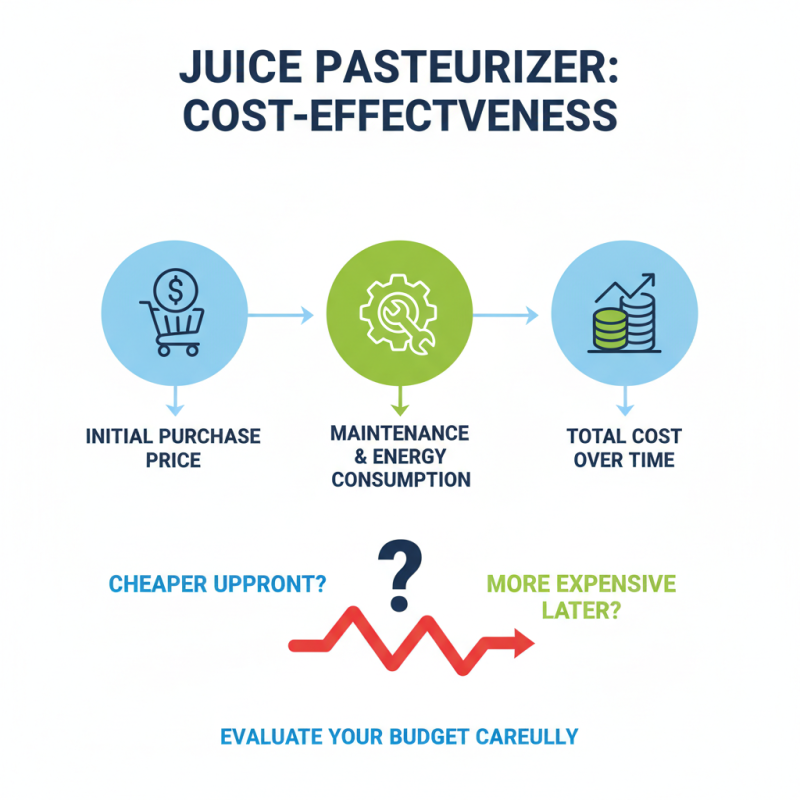
Be mindful of maintenance and cleaning requirements as well. A complex system may require more downtime. According to industry standards, regular maintenance can extend the life of your pasteurizer. Evaluate the balance between upfront costs and long-term efficiency. It’s important to ensure that any system you consider aligns with your operational goals.
Tip: Look for user-friendly designs. This can lead to quicker training times and less operational hiccups. A system’s ease of use can often be forgotten, but it plays a vital role in overall productivity. Remember to consider how much support you might need during installation and operation.