How to Choose Ceremonial Matcha Powder in 2026?
Choosing Ceremonial Matcha Powder in 2026 requires more than trusting a vivid green package. Quality begins with origin, harvest timing, cultivar, processing, and storage. The Global Matcha Market Report by Grand View Research identifies matcha as a fast-growing segment, supported by demand for premium, convenient wellness beverages. That growth also creates confusion. Not every expensive tin contains superior matcha.
This guide will examine practical evidence behind a reliable purchase. Look for transparent Japanese sourcing, clear harvest information, stone-milled production, and sealed, light-protective packaging. A USDA Foreign Agricultural Service report on Japan’s tea sector also highlights the importance of Japanese tea production conditions, regional identity, and export quality. These details matter when comparing ceremonial grades across online stores.
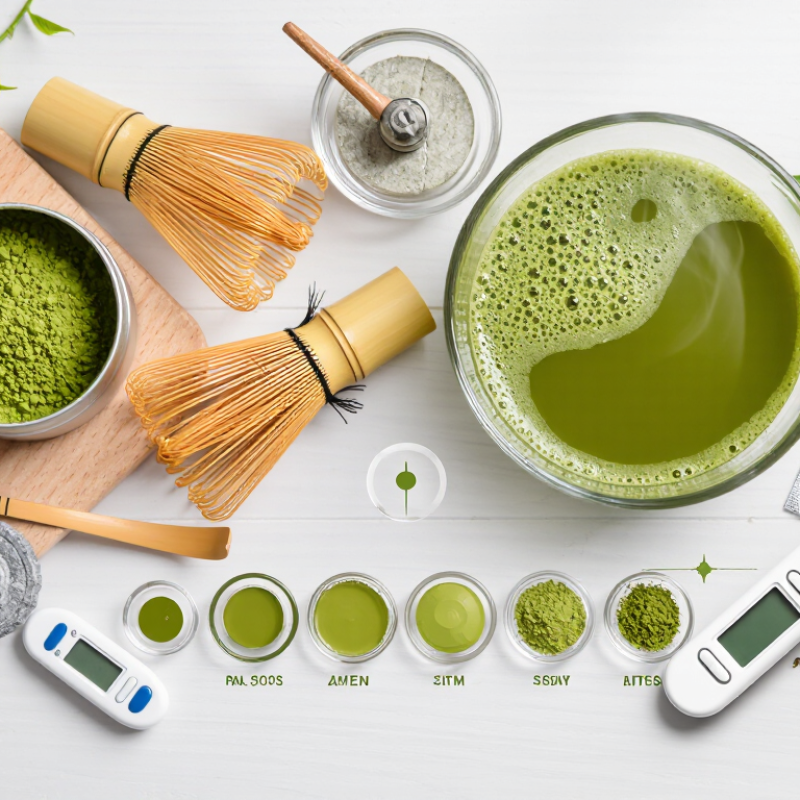
Taste remains essential. Fresh matcha should feel smooth, savory, and lightly sweet, with a clean finish. Harsh bitterness may indicate age, poor storage, or unsuitable leaves. Color helps, but it can mislead. Bright green powder alone proves very little. A useful test is simple: whisk two grams with warm water and observe the foam, aroma, and texture.
Small details matter.
Reliable sellers should provide batch information, origin, packaging dates, and basic testing evidence. Certifications can support trust, but they do not replace sensory evaluation. I also admit a limitation: published market reports often measure sales value, not cup quality. Therefore, this 2026 guide combines industry data, tea knowledge, and practical tasting experience. The goal is not to chase perfection. It is to make a careful, informed choice.
What Is Ceremonial Matcha and How Does It Differ from Culinary Matcha?
How to Choose Ceremonial Matcha Powder in 2026?
Ceremonial matcha is finely ground green tea intended for drinking with water. Young, shade-grown leaves are usually selected for their smooth texture and fresh flavor. The powder should dissolve into a vivid green suspension, not a dull, gritty drink. Expect gentle sweetness, umami, and a clean finish. Bright green matters.
Culinary matcha serves a different purpose. It has a stronger, more bitter taste that can stand up to milk, sugar, baking, and sauces. Ceremonial matcha is better suited to whisking with warm water, where every flavor becomes noticeable. However, “ceremonial” is not a universally regulated grade in many markets. The label alone proves little. Check the harvest period, growing region, milling method, and packaging date. A reputable seller should also provide batch details and appropriate safety testing information.
When choosing a powder in 2026, look for an airtight, light-resistant package with a clear production date. After opening, the aroma should resemble fresh grass, peas, or sea breeze, rather than cardboard. I prefer a small package because matcha loses character after repeated exposure to air. Storage is easy to underestimate. Keep it sealed, cool, and away from sunlight. Taste can still vary between harvests, even when the specifications look similar. I once judged a powder by color alone and found its flavor flat. That mistake changed my buying habits: sensory quality and transparent sourcing deserve equal attention.
Which Origins, Cultivars, and Harvest Seasons Matter Most?
How to Choose Ceremonial Matcha Powder in 2026?
Origin matters, but it does not guarantee quality. Japan’s Ministry of Agriculture, Forestry and Fisheries reported approximately 78,000 tonnes of tea production in 2023. Only a smaller share becomes tencha for matcha. Look for clear regional information, not vague “Japanese-style” wording. Uji often offers deep umami and gentle sweetness. Yame can taste round and creamy. Nishio frequently shows strong color and a clean finish. Kagoshima may bring brighter, fresher notes. These are useful patterns, not fixed rules.
Cultivar changes the cup dramatically. The Japan Tea Export Promotion Council reports that Yabukita represents roughly three-quarters of Japan’s tea plantings. It usually gives balanced aroma, bitterness, and umami. Okumidori can produce a vivid green color and softer bitterness. Gokou and Samidori often suit drinkers seeking richer umami. Ask whether the powder comes from one cultivar or a blend. Blends are not automatically inferior. I sometimes prefer their balance.
Harvest timing deserves close attention. First-harvest tencha, usually picked from April to May, often has sweeter aromas and finer texture. Later harvests can taste more robust, woody, or astringent. The Japan Tea Export Promotion Council identifies shading as a key tencha practice, commonly lasting about three weeks before picking. Check the harvest year, milling date, and storage conditions. Bright green powder helps, but color alone can mislead. I have chosen attractive matcha that tasted flat. Freshness remains easy to underestimate.
How to Compare Prices, Choose Reliable Sellers, and Store Matcha Properly
How to Choose Ceremonial Matcha Powder in 2026?
Price comparison should begin with usable quality, not package size. Ceremonial matcha is usually made from shade-grown tencha and stone-milled into a fine powder. However, “ceremonial grade” has no universally enforced legal definition. Sellers may use the phrase differently. Japan’s Ministry of Agriculture, Forestry and Fisheries reported record tea export value in 2023, reaching about ¥36.4 billion. Rising demand can increase prices, but it does not guarantee better flavor. Compare harvest season, growing region, net weight, milling date, and testing information. A bright green color, creamy texture, and fresh umami matter more than attractive wording.
Reliable sellers should provide a traceable lot number, ingredient statement, origin, and clear storage guidance. Ask for a certificate of analysis when available, especially for heavy metals, pesticides, and microbial safety. Industry market reports, including Grand View Research’s 2024 matcha analysis, project strong global growth, although estimates vary widely. That difference deserves caution. Rapid market expansion can invite weaker quality control. I would not trust unusually cheap powder without documentation. I have also learned that an expensive tin can disappoint when it tastes flat or bitter.
Tips: Buy a small quantity first. Check the production date, not only the expiry date. Store unopened matcha in a cool, dark place. After opening, seal it tightly and keep it away from heat, moisture, light, and strong odors. Refrigeration can help, but condensation is a real risk. Let the container reach room temperature before opening. Use clean, dry utensils, and finish the powder within several weeks for its freshest aroma.
How to Choose Ceremonial Matcha Powder in 2026
Compare matcha by price per gram rather than package price. Typical retail pricing rises from everyday ceremonial powder to first-harvest and competition-grade powder. Check the harvest date, origin, ingredient list, seller traceability, opaque airtight packaging, and cold storage. After opening, keep matcha sealed, protected from light and moisture, and refrigerated when possible.