Why Choosing the Right Fruit and Vegetable Processing Line is Essential for Your Business
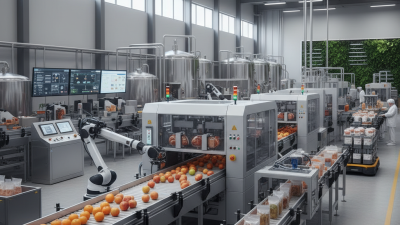
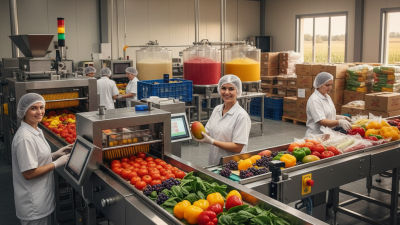
In the modern food industry, the efficiency and quality of production processes are of paramount importance, especially when it comes to fresh produce. A well-designed fruit and vegetable processing line plays a crucial role in ensuring that businesses can meet growing consumer demands while maintaining high standards of food safety and freshness. As the market for processed fruits and vegetables continues to expand, investing in the right processing line not only enhances operational efficiency but also significantly impacts the overall quality of the final product.
Moreover, with increasing competition and the demand for diverse produce options, businesses must carefully consider their processing capabilities. The choice of a suitable fruit and vegetable processing line can streamline operations, reduce waste, and improve yield. Additionally, it allows for adaptability in response to fluctuating market trends, empowering businesses to remain competitive. Thus, understanding the factors that influence the selection of the right processing line is essential for long-term success in the fruit and vegetable industry.

Understanding the Importance of Fruit and Vegetable Processing Lines
Choosing the right fruit and vegetable processing line is crucial for enhancing efficiency and product quality in your business. A well-designed processing line not only streamlines production but also ensures that the nutritional value and freshness of the produce are preserved. Understanding the significance of these processing lines helps businesses meet consumer demands while maintaining high standards of food safety and quality.
When selecting a processing line, consider the type of products you will be handling and the specific processing methods required. Customization is key; different fruits and vegetables require different techniques such as washing, cutting, or packing. Investing in flexible processing lines that can adapt to various products will position your business for growth in a dynamic market.
Tips: Always assess the scalability of the processing line to ensure it can accommodate future growth. Additionally, consider the equipment's energy efficiency and maintenance requirements to optimize operating costs. Finally, training your staff on the proper use and maintenance of the processing line is essential to maximizing its lifespan and maintaining product quality.
Key Factors to Consider When Choosing a Processing Line
When selecting a fruit and vegetable processing line, several key factors must be taken into account to ensure efficiency and productivity. Firstly, the capacity of the processing line is crucial. According to a report by Research and Markets, the global food processing equipment market is expected to reach USD 88.29 billion by 2025, driven in part by the increasing demand for fresh-cut fruits and vegetables. Businesses must assess their production needs and choose equipment that can handle their expected volume, allowing for scalability as their operations grow.
Another important factor is the technology used in the processing line. The shift towards automation in the food processing industry is significant, with studies indicating that automated processing lines can improve production efficiency by up to 30%. Advanced technology not only optimizes processing speed but also enhances product consistency and quality. Moreover, considering energy efficiency is vital; energy-efficient processing lines can reduce operational costs, a particularly relevant concern as energy consumption in food production accounts for approximately 10-15% of total food costs, according to the Food and Agriculture Organization (FAO).
Lastly, the flexibility of the processing line is essential. With changing consumer tastes and market trends leaning towards more variety in products, businesses need processing lines that can adapt to different types of produce and processing methods without extensive downtime. It’s reported that flexibility in processing lines can lead to a 20% increase in production adaptability, making it a critical consideration for companies looking to stay competitive in the evolving market landscape. By focusing on these factors, businesses can make informed decisions that align with their operational goals and industry demands.
Types of Processing Technologies Available for Fruits and Vegetables
When it comes to fruit and vegetable processing, selecting the right technology can make a significant impact on the efficiency and quality of your products. There are various processing technologies available that cater to different types of fruits and vegetables, each with its unique advantages. For instance, blanching is a common method used to preserve flavor and color while killing off enzymes that can degrade quality over time. This method is particularly effective for preserving green vegetables and some fruits before freezing or canning.
Another essential technology is vacuum packaging, which allows for longer shelf life by reducing oxygen levels that contribute to spoilage. This method is especially useful for fresh-cut fruits and vegetables, ensuring they maintain their freshness and nutritional value during transportation and storage. Additionally, dehydration and freeze-drying are excellent methods for preserving fruits and vegetables, allowing them to be enjoyed out of season while maintaining most of their flavors and nutrients.
**Tips:** When selecting a processing technology, it's crucial to consider factors such as the type of produce, desired shelf life, and target market demands. Always evaluate the scalability of your chosen method to ensure it can accommodate growth in your business. Remember, investing in the right technologies not only enhances product quality but also boosts operational efficiency.
Fruit and Vegetable Processing Technologies
Assessing Your Business Needs for Optimal Processing Efficiency
Assessing your business needs is a critical step in selecting the right fruit and vegetable processing line. First, it is important to analyze the scale of your operations and the volume of produce you intend to process. Knowing whether you are operating on a small scale or engaging in large-scale production directly impacts the type of machinery and technology you will require. For instance, high throughput lines with advanced automation might benefit larger processors, while smaller operations may find that simpler, less expensive solutions are more efficient and manageable.
Additionally, understanding the specific requirements of your products can guide your decision-making process. Different fruits and vegetables require distinct handling and processing techniques due to their unique characteristics. For example, delicate items like berries need gentle handling to maintain quality, while sturdier vegetables may allow for more robust processing methods. By carefully assessing these factors—such as product type, desired shelf life, and packaging needs—companies can ensure they select a processing line that enhances operational efficiency and aligns with their business goals. This thoughtful approach not only optimizes productivity but also helps maintain the quality and freshness of the end products.
Long-Term Benefits of Investing in the Right Processing Line
Investing in the right fruit and vegetable processing line yields long-term benefits that significantly enhance operational efficiency and product quality. A well-designed processing line not only streamlines production but also reduces waste and operational costs. By incorporating advanced technologies and automation, businesses can achieve faster processing times while maintaining the integrity of the product. This not only improves output but also ensures that customers receive fresh, high-quality produce, solidifying brand reputation and increasing customer loyalty.
Furthermore, an optimal processing line allows for greater flexibility in product offerings. As market demands change, businesses need to adapt quickly; having a versatile processing line enables manufacturers to diversify their product range without significant additional investment. This adaptability ensures sustained competitiveness in a rapidly changing market. The long-term investment in an appropriate processing line positions companies to thrive, as it supports innovation and responds effectively to consumer preferences, ultimately contributing to sustained growth and profitability.
Why Choosing the Right Fruit and Vegetable Processing Line is Essential for Your Business - Long-Term Benefits of Investing in the Right Processing Line
| Feature |
Importance for Business |
Long-Term Benefits |
| Efficiency |
Reduces processing time, increasing throughput |
Higher production rates lead to greater revenue |
| Quality Control |
Ensures product consistency and quality |
Improved customer satisfaction and loyalty |
| Flexibility |
Allows adaptation to market changes quickly |
Ability to offer diverse products can capture more market |
| Cost-Effectiveness |
Reduces waste and operational costs |
Long-term savings enhance profitability |
| Safety Standards |
Meets regulatory requirements for food safety |
Avoids legal issues and promotes brand trust |