How to Choose the Best Mother Roll for Your Business Needs?
Selecting the right Mother Roll is crucial for any business relying on paper or film products. The Mother Roll serves as the primary material from which various end products are created. Its quality significantly impacts production efficiency and the quality of final goods.
When considering a Mother Roll, assess your specific business needs carefully. Is your focus on durability, print quality, or cost-effectiveness? Each factor plays a vital role. For example, if your production demands high-resolution printing, the type of Mother Roll chosen becomes even more critical.
However, it’s essential to acknowledge that the selection process can be complex. Many businesses face challenges in balancing cost with quality. This often leads to trial and error. Investing the time to research and understand different Mother Roll specifications could yield better long-term results. Always evaluate suppliers and seek expert opinions to ensure reliability and consistency.
Understanding the Different Types of Mother Rolls Available in the Market
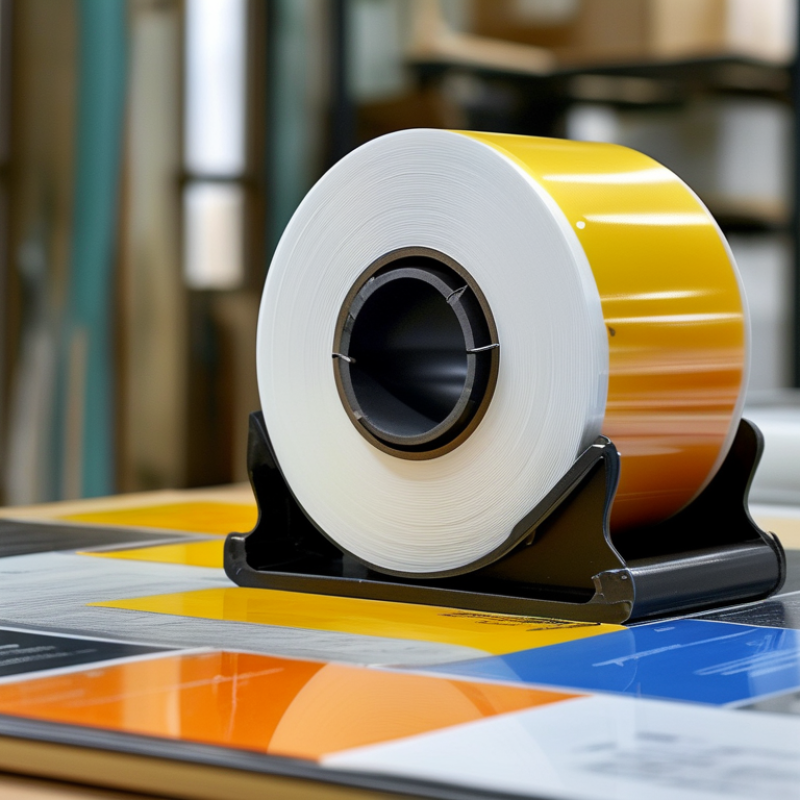
When selecting a mother roll, it's crucial to understand the various types available. These rolls serve different purposes across industry sectors. For example, paper rolls are often used in printing, while film rolls are essential for packaging. Each type has unique features, impacting efficiency and end product quality.
The composition of the mother roll matters. Some rolls are made from high-density materials, providing durability. Others may focus on flexibility, which is vital for specific applications. Consider the thickness and width available for your needs. Not all rolls are created equal, and it’s easy to make a choice that might not suit your operations.
Feedback is important. Customers often highlight that they overlooked the importance of material properties. Some find themselves dealing with compatibility issues during production. It's essential to weigh your options carefully. Identifying the right mother roll can turn a potential challenge into an opportunity for improved performance.
Evaluating Your Business Requirements for Choosing a Mother Roll
Choosing the right mother roll for your business can seem daunting. Understanding your specific needs is essential. Different industries have distinct requirements that can impact the overall efficiency of production processes. According to a recent industry report, aligning material properties with your manufacturing process can improve yield by up to 25%. This showcases the importance of assessing your specifications closely.
Consider the type of materials you'll be processing. For instance, if your production line deals with lightweight films, a roll with specific tension settings might be crucial. It's also wise to evaluate the diameter and width of the rolls. A comprehensive analysis of your workflow can help you identify which dimensions suit your equipment and enhance performance.
Tips: Consult with industry experts to clarify your needs. Analyze previous data on output efficiency and defects. Each metric provides insight into how the right mother roll can reduce costs and improve quality. End-user feedback is invaluable, highlighting areas of improvement that reports may not cover. Ensuring timely updates on technological advancements in materials will keep your business competitive.
Key Material Properties to Consider When Selecting a Mother Roll
Choosing the right mother roll is crucial for optimizing production. Different applications require specific material properties. One key factor is tensile strength, which impacts the roll's ability to withstand stress. High tensile strength is ideal for heavy-duty applications. However, too much strength can lead to brittleness. Finding the right balance is essential.
Another important property is thickness uniformity. Variations in thickness can lead to uneven performance. This may cause defects during production or a poor final product. When assessing mother rolls, examine thickness carefully. Don't overlook surface finish, either. A smooth finish reduces friction and increases efficiency. However, overly smooth surfaces might be prone to wear.
Finally, consider the roll's temperature stability. Some materials can warp under heat. This can disrupt the manufacturing process. In high-temperature environments, ensure the roll maintains its integrity. Reflect on these factors to select the best option that fits your business needs. Each choice may have potential drawbacks that require careful evaluation.
Assessing Compatibility of Mother Rolls with Your Production Process
Choosing the right mother roll for your production process is crucial. Compatibility influences efficiency and product quality. Consider the material properties of the mother roll. It should match your production needs, whether it's flexibility, strength, or thermal tolerance.
Evaluate how the mother roll interacts with your machinery. Is it easy to integrate? Are there potential issues with wear and tear? Delve into the specs. Look for detailed information on dimensions and weight tolerance. A mismatch can disrupt operations and increase costs.
Examine user feedback on similar applications. This can provide insights into real-world performance. Don't overlook potential adjustments needed in your workflow. Sometimes, minor tweaks in processes can enhance compatibility significantly.
Comparing Different Types of Mother Rolls for Production Efficiency
Budget Considerations and Cost-Effectiveness in Mother Roll Selection
When selecting a mother roll for your business, budget considerations play a crucial role. The right choice impacts your long-term operational costs. A recent industry report states that 30% of companies underestimate their initial costs when choosing materials. It's essential to approach this from a cost-effective standpoint.
Consider the waste associated with each option. Some rolls may appear cheaper upfront but can lead to increased waste and higher production costs. For instance, rolls with lower quality may require frequent replacements. This consideration can add up to 20% more in overall expenditures over a year.
Tip: Conduct a total cost of ownership analysis. This approach provides a clearer picture of the hidden costs involved in your selection. Also, evaluate the return on investment (ROI) for different materials. This assessment can highlight which options are more sustainable over time.
Choosing a mother roll is not just about price. It's about finding balance. A roll that meets quality standards can ultimately save you money. However, many businesses overlook quality, focusing solely on initial costs. Make informed decisions based on both quality and budget to avoid future complications.