What is the Fruit Processing Industry and How Does It Impact Our Food Supply
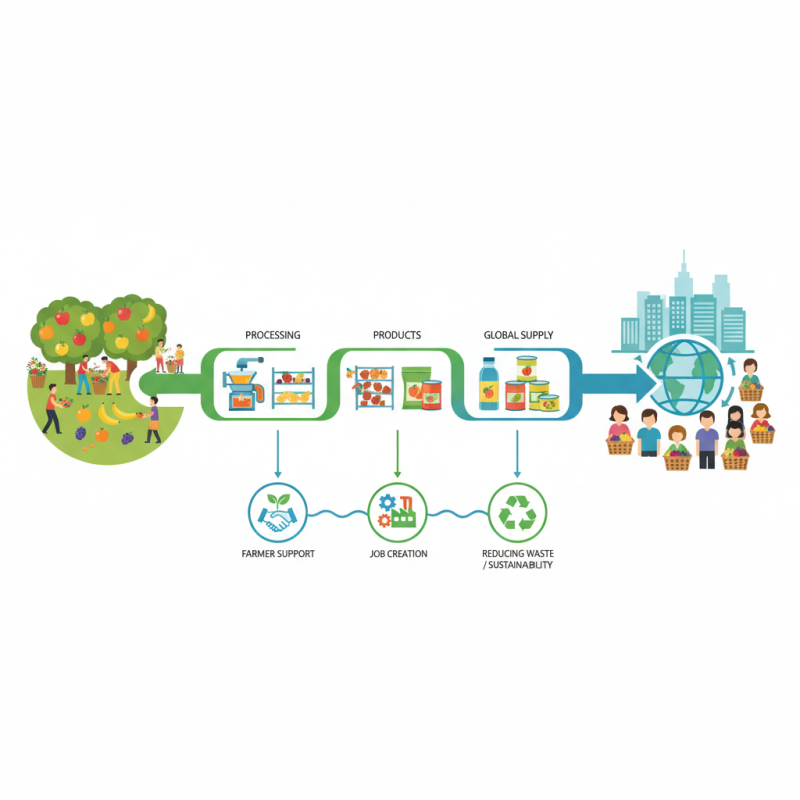
The fruit processing industry plays a crucial role in bridging the gap between agricultural production and consumer consumption. As one of the key sectors in the food supply chain, it transforms fresh fruits into a variety of products, including juices, purees, dehydrated fruits, and canned goods. This transformation not only extends the shelf life of fruits but also enhances their accessibility and affordability for consumers. By preserving the nutritional value and flavors of fruits, the industry ensures that people around the world have a steady supply of these essential food items, regardless of seasonal availability.
In addition to meeting consumer demands, the fruit processing industry supports farmers by providing stable markets for their produce. It creates job opportunities within local communities, contributing to economic development and sustainability. The industry's innovations in processing technology and methods further contribute to reducing food waste, promoting the efficient use of resources, and fostering environmental stewardship. Overall, the fruit processing industry is indispensable in shaping our modern food supply, ensuring that healthy, delicious options are available to meet the diverse needs of a growing global population.
Definition and Overview of the Fruit Processing Industry
The fruit processing industry encompasses various methods and techniques used to transform fresh fruits into preserved and packaged products. This sector plays a crucial role in extending the shelf life of fruits, enabling their consumption year-round, regardless of seasonal availability. According to a report by the Food and Agriculture Organization (FAO), approximately 1.3 billion tons of food is wasted globally each year, much of which comprises fresh fruits and vegetables. By processing fruits into juices, dried fruits, and canned goods, this industry reduces food waste and makes nutritious options accessible throughout the year.
Moreover, the fruit processing industry significantly contributes to local and global economies. The Global Market Insights report indicates that the fruit processing market is projected to exceed USD 330 billion by 2026, growing at a compound annual growth rate (CAGR) of over 5%. This growth is driven by increasing consumer demand for convenient and ready-to-eat products, as well as a rising health consciousness that fuels interest in fruit-based food options. As a result, the industry not only supports agricultural sectors by providing farmers with stable markets for their produce but also creates jobs in processing, distribution, and retail, thus enhancing the overall food supply chain.
Key Processes Involved in Fruit Processing
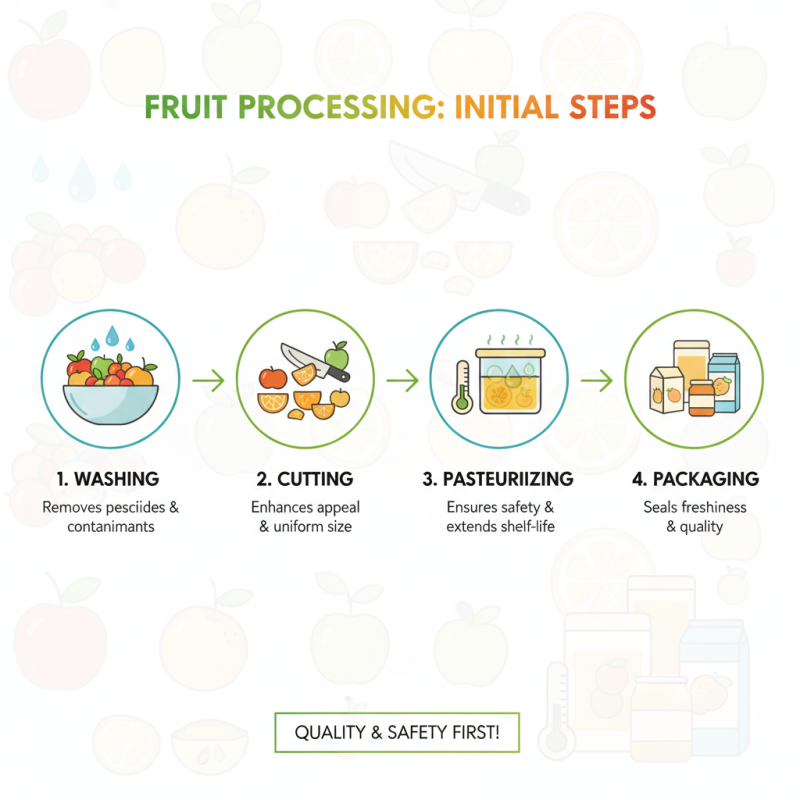
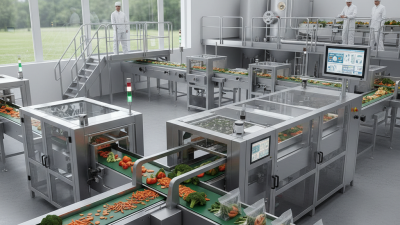
The fruit processing industry encompasses various methods used to transform fresh fruits into value-added products, significantly influencing our food supply. Key processes involved in fruit processing include washing, cutting, pasteurizing, and packaging. Washing ensures that fruits are free from pesticides and contaminants, while cutting enhances their appeal and results in uniform sizes for further processing. These initial steps are crucial for maintaining the quality and safety of the products.
After preparation, pasteurization is frequently employed to extend the shelf life of fruit products by eliminating harmful microorganisms. This step is essential for products such as juices and canned fruits, where preserving flavor and nutritional value while ensuring safety is paramount. Finally, effective packaging techniques protect the fruits from damage during transport and storage, while also providing important information on nutrition and usage. Together, these processes not only enhance the availability and variety of fruit products in the market but also contribute to reducing food waste and improving nutrition for consumers.
Economic Importance of the Fruit Processing Sector
The fruit processing sector plays a crucial role in the economy, providing numerous jobs and supporting rural communities. By converting raw fruits into various processed goods, such as juices, canned fruits, and dried snacks, this industry adds significant value to agricultural products. This transformation not only helps reduce food waste by utilizing fruits that may not meet market standards for fresh consumption but also enables food manufacturers to offer a diverse range of products that can be distributed globally. As a result, the sector enhances the accessibility of fruit-based products in markets, catering to different consumer preferences and dietary needs.
Moreover, the economic impact of the fruit processing industry extends beyond immediate job creation. It stimulates growth in related sectors such as agriculture, logistics, and marketing. Farmers benefit from a reliable market for their produce, while the processing facilities require various services and materials, which further invigorates local economies. Additionally, processed fruit products often have a longer shelf life, allowing retailers and consumers to reduce food insecurity and optimize supply chains. Consequently, the fruit processing sector not only enriches the food supply but also strengthens community resilience by fostering economic stability and promoting sustainable agricultural practices.
Impact of Fruit Processing on Food Supply Chain
The fruit processing industry plays a crucial role in the food supply chain by enhancing the availability, quality, and shelf-life of fruit products. According to the Food and Agriculture Organization (FAO), approximately one-third of all fruit produced globally is lost due to spoilage. By processing fruits into forms such as juices, jams, and dried products, the industry not only reduces waste but also ensures that consumers have access to nutritious options year-round. The global fruit processing market is projected to reach USD 270 billion by 2027, highlighting its significance in bolstering our food supply.
The impact of fruit processing extends beyond preservation. It contributes to food security by providing a buffer against seasonality and fluctuations in supply. When fresh fruits are transformed into processed products, they can be distributed over longer distances, reaching consumers in regions with limited access to fresh produce. According to a report by Market Research Future, the processed fruit sector is expected to grow by 6% annually, driven by increasing health consciousness and demand for convenient food alternatives.
Tips: To maximize your intake of nutrients from processed fruits, opt for options with lower added sugars and minimal preservatives. Explore local markets for seasonal, minimally processed fruit products; they often retain more of their natural flavor and nutritional value. Always check labels to ensure you are making informed choices about what you consume.
Challenges and Innovations in the Fruit Processing Industry
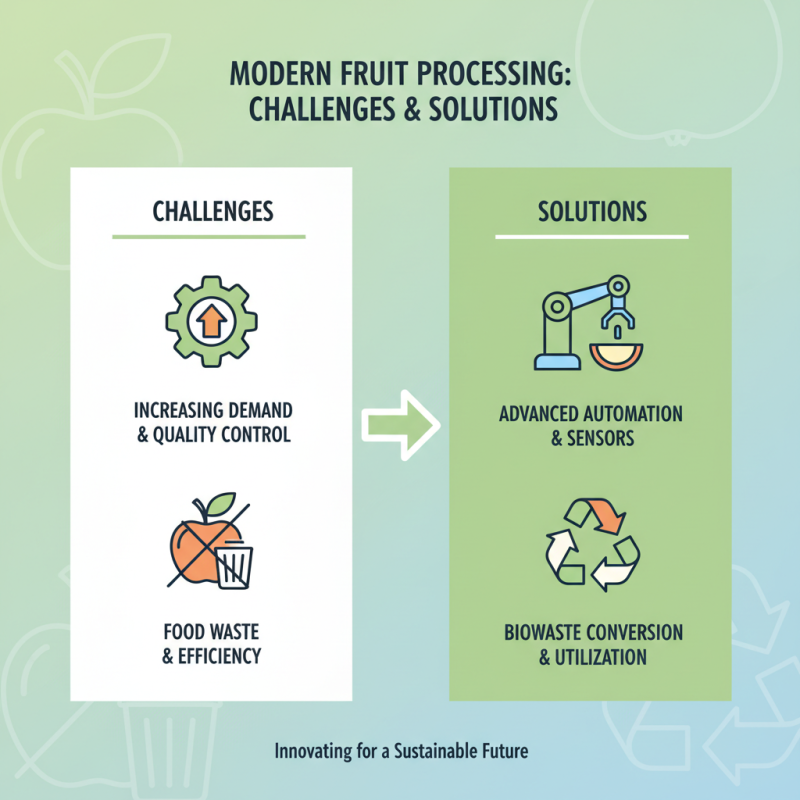
The fruit processing industry plays a vital role in the modern food supply chain, transforming fresh produce into a variety of products such as juices, jams, and dried fruits. However, the industry faces several challenges that impact its efficiency and sustainability. One significant challenge is the need for advanced technology to handle the increasing demand for processed fruits while ensuring quality and safety standards. Additionally, the sector grapples with issues related to food waste, as a considerable amount of fruit is discarded during processing.
Innovations are crucial in addressing these challenges and enhancing the overall efficacy of fruit processing. Emerging technologies, such as artificial intelligence and automation, are improving production processes, allowing for better quality control and resource management. Furthermore, sustainable practices are being adopted to minimize waste and reduce the carbon footprint. For instance, the development of new methods to utilize by-products from fruit processing can not only cut down waste but also create additional revenue streams. Overall, the evolution of the fruit processing industry is essential for meeting consumer demands while promoting environmental sustainability.