What is a Pouch Filler and How Does it Work?
In the fast-paced packaging industry, understanding a pouch filler is essential. A pouch filler efficiently fills packages with various products, from snacks to liquids. John Smith, a leading expert in packaging technology, once said, “A well-designed pouch filler can revolutionize production lines.” His insight highlights the importance of effective machinery in modern manufacturing.
Pouch fillers come in various designs and functionalities. They can adapt to different shapes and sizes of pouches. These machines are designed for speed and precision. However, not all pouch fillers perform equally. Some may struggle with thicker materials or specific product types. This can lead to wasted time and resources, affecting overall efficiency.
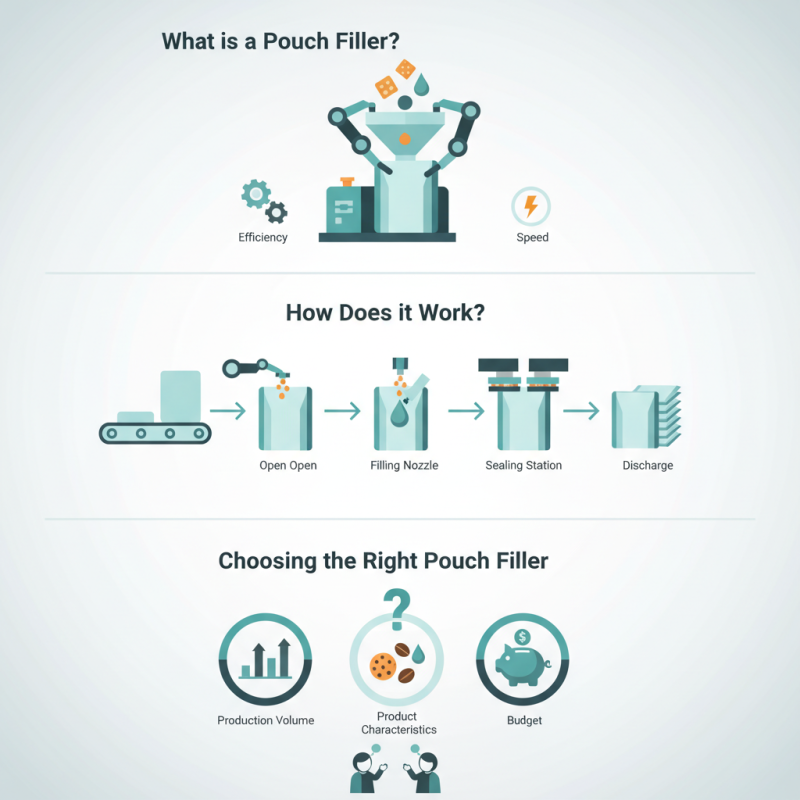
Choosing the right pouch filler requires reflection. Factors such as production volume, product characteristics, and budget must be considered. Investing in a pouch filler might seem straightforward, yet the wrong choice can have lasting consequences. Manufacturers must carefully evaluate their options and seek expert advice to ensure a successful investment.
What is a Pouch Filler?
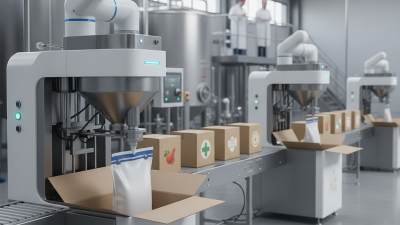
A pouch filler is a machine designed to fill flexible pouches with various products. These machines are commonly used in food, pharmaceutical, and cosmetic industries. The purpose is to save time and ensure consistent fill levels. Pouch fillers work by using a combination of automation and precision to deliver accurate amounts of materials.
Typically, a pouch filler includes a hopper, a dosing mechanism, and a sealing unit. The hopper holds the product, while the dosing mechanism measures it out accurately. Once the pouch is filled, the sealing unit ensures it is closed securely. Different types of pouch fillers exist to accommodate liquids, powders, and granules. The versatility makes it a popular choice for many manufacturers.
Despite their efficiency, pouch fillers can face challenges. Calibration errors can lead to inconsistent fills, which may result in waste. Additionally, they require regular maintenance to operate smoothly. Operators must be trained to handle these machines effectively. Understanding these nuances can improve overall performance and reduce downtime.
Pouch Filler Performance Metrics
This chart illustrates the efficiency of pouch fillers across different industries based on their average filling speed in units per minute.
Key Components of Pouch Fillers
Pouch fillers are essential machines in packaging industries. They efficiently fill flexible pouches with various products. Understanding their components helps clarify how they operate.
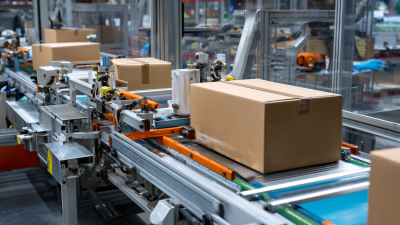
Key components of pouch fillers include the filling nozzle, the conveyor system, and the sealing mechanism. The filling nozzle dispenses the product into the pouch. It needs precision to avoid spills. The conveyor system moves the pouches through different stages. This part requires regular adjustments for optimal speed. Lastly, the sealing mechanism seals the pouches securely. It must maintain consistent pressure for effective sealing.
The design of these components is crucial. For instance, worn-out nozzles can lead to improper filling. Conveyor belts should be smooth to prevent jamming. Over time, these elements may need maintenance or replacement. Continuous improvements in design can enhance usability. Observations show that even small tweaks can significantly improve the process. Each component interacts with the others, creating a delicate balance that requires ongoing attention.
What is a Pouch Filler and How Does it Work? - Key Components of Pouch Fillers
| Component |
Description |
Functionality |
| Feed System |
Automatically dispenses product into the pouch. |
Ensures accurate and consistent filling. |
| Pouch Loader |
Aligns and positions pouches for filling. |
Prepares pouches for high-speed filling operations. |
| Filling System |
Injects the product into each pouch. |
Maintains specified volume and ensures quality. |
| Sealing Mechanism |
Seals the filled pouches to prevent leakage. |
Guarantees product freshness and integrity. |
| Control Panel |
User interface for settings and monitoring. |
Allows easy operation and adjustments. |
| Conveyor System |
Transfers pouches through the filling process. |
Enhances speed and efficiency in production. |
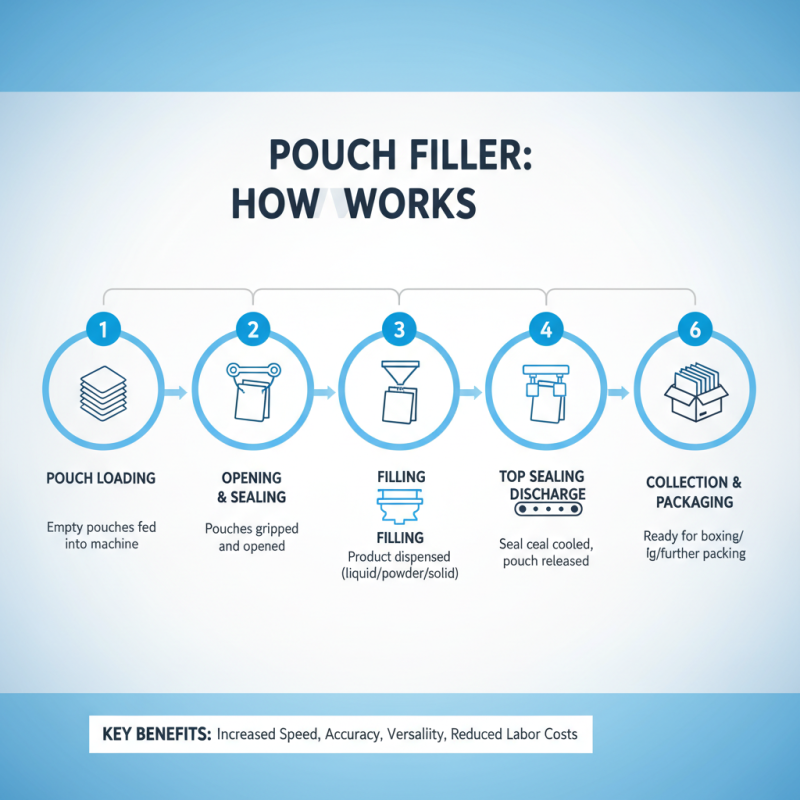
How Pouch Fillers Operate: A Step-by-Step Process
Pouch fillers play a crucial role in modern packaging processes. They automate the filling of pouches with various products, ranging from liquids to dry goods. Understanding their operation involves a step-by-step look at the machinery's functionality.
The filling process begins with the setup of the pouch. The machine detects the presence of a pouch and secures it to ensure an accurate fill. According to a recent industry report, approximately 70% of manufacturers observe a reduction in labor costs by using automatic pouch fillers. The next step is the filling operation itself. This can involve volumetric, gravimetric, or pump filling depending on the product type. Precise measurements are vital here. Any error can lead to waste and dissatisfied customers.
After the pouch is filled, it undergoes sealing, which is essential for product freshness and safety. Thermal, ultrasonic, or pressure seals are common methods used. A report indicated that equipment that malfunctions during the sealing process might lead to a 15% increase in product spoilage. This suggests that regular maintenance is crucial for optimal performance. The final step may involve quality control checks, another area that often requires scrutiny. Advanced technology can help detect issues, but human oversight remains critical to ensure quality standards are met.
Types of Pouch Fillers and Their Applications
Pouch fillers are essential in various industries, from food to pharmaceuticals. They are designed to fill pouches with products efficiently.
Different types of pouch fillers cater to distinct applications. For example, powder fillers are used in the food industry for items like sugar and flour. Liquid fillers are common for sauces and beverages.
A market report indicates that the global pouch filling machine market was valued at $4.2 billion in 2022. This figure is expected to grow due to the increasing demand for packaged goods. Efficiency and speed are critical factors driving this growth. Some pouch fillers can achieve speeds of up to 120 pouches per minute. However, the challenge lies in maintaining accuracy. Overfilling or underfilling can lead to significant losses.
In addition to powders and liquids, pouch fillers also handle granules. This versatility is beneficial for businesses.
However, not all machines can accommodate various sizes and shapes of pouches. Many companies face difficulties in finding the right equipment that meets their specific needs.
This lack of flexibility can hinder production and impact profitability. Adaptability in pouch fillers remains a key area for improvement as the market evolves.
Advantages of Using Pouch Fillers in Packaging
Pouch fillers have gained popularity in various industries due to their efficiency in packaging. According to a 2021 market report by Smithers Pira, the flexible packaging market is expected to reach $400 billion by 2026. This growth highlights the increasing demand for pouch fillers, as they provide a practical solution for companies seeking effective packaging techniques.
One significant advantage of pouch fillers is their ability to reduce waste. Using pouches instead of rigid containers can cut material usage by up to 25%. This aspect not only benefits the environment but also lowers production costs for companies. Additionally, pouches offer increased shelf life for products, thanks to enhanced barrier properties. A 2020 survey revealed that 78% of consumers prefer products in pouches due to their easy handling and reseal capability.
However, not all pouch fillers are created equal. Some machines may struggle with specific product types, leading to inefficiencies. Companies must carefully evaluate their needs and the compatibility of pouch fillers with their products. Investing in the right equipment could seem costly but often pays off in the long run. Understanding these factors is essential for businesses looking to adopt pouch filling technology effectively.