10 Soda Can Sourcing Tips for Global Buyers
Global buyers need more than a low unit price when sourcing a Soda Can. A suitable supplier must balance material quality, production capacity, delivery reliability, and regional compliance. Small specification errors can become expensive problems. A 330-milliliter can may look standard, yet its diameter, alloy, wall thickness, coating, and lid design can differ between factories.
Robert Budway, president of the Can Manufacturers Institute, has stated, “The can is the most recycled package in the world.” That perspective matters when buyers compare aluminum grades, recycled content, and supplier sustainability records. Responsible sourcing should examine the entire supply chain, not only the factory quotation. Ask for material certificates, food-contact documentation, inspection procedures, and recent production samples. Check whether the supplier can maintain consistent dimensions across large orders. A beautiful sample proves little.
Logistics also deserve practical attention. Confirm pallet patterns, container loading, port access, lead times, and protection against denting. Request a clear breakdown of tooling fees, minimum order quantities, payment terms, and replacement procedures. An on-site audit can reveal details that emails hide, such as crowded warehouses or weak quality controls. Remote audits still help, but they are not perfect.
No sourcing plan is flawless. Forecasts change. Ports become congested. A second approved supplier may protect production when the first factory struggles. Buyers should compare total landed cost, not just the factory price. These ten Soda Can sourcing tips provide a more disciplined starting point for negotiations, supplier evaluation, and long-term purchasing decisions.
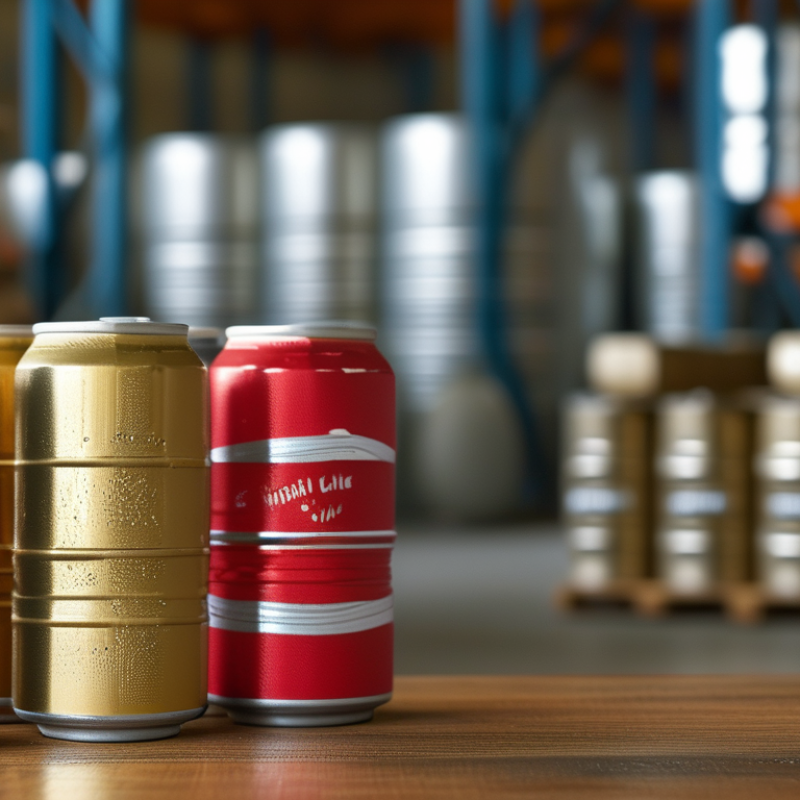
Understanding Soda Can Types, Materials, Sizes, and Global Standards
Global buyers should treat soda cans as engineered food-contact containers, not simple metal packages. The two-piece can uses a drawn body and separate end. The three-piece design has a welded body seam and may suit certain products or production lines. Aluminum is lightweight and corrosion-resistant. Steel can offer different strength and cost advantages.
Match the can size to the serving market and filling equipment. Common options include 250 ml, 330 ml, 355 ml, and 500 ml. Check the diameter, height, opening size, and end profile carefully. Small differences can stop a can from running smoothly. Ask for technical drawings, sample cartons, and pallet dimensions. Measure samples yourself when possible. Catalog data is helpful, but it is not always complete.
Material specifications need equal attention. Confirm alloy or steel grade, wall thickness, internal coating, tab material, and print finish. Request seam inspection records, pressure tests, leak tests, and food-contact declarations. Requirements can differ between destination markets. Verify recycling marks, language rules, and packaging documentation before production. A supplier may meet one regional standard but miss another. That gap is easy to overlook. It deserves a written review.
Sourcing also depends on transport conditions. Humidity, stacking height, and warehouse temperature can affect surface quality and carton strength. Build tolerance ranges into the purchase agreement. Do not approve cans from appearance alone. A bright finish can hide weak seams or coating problems. Perfect specifications are rare; clear records and repeated testing are more reliable.
10 Soda Can Sourcing Tips for Global Buyers
Understanding soda can types, materials, sizes, and global standards
Common commercial soda can formats range from 250 mL to 500 mL. When sourcing globally, buyers should confirm nominal volume, can diameter and height, aluminum or steel specifications, easy-open-end compatibility, food-contact compliance, seam performance, pallet efficiency, recycling requirements, regional labeling rules, and production tolerances with the supplier. Actual availability and dimensions may vary by market and can design.
Evaluating Suppliers, Manufacturing Capacity, and Quality Certifications
Global soda can buyers should evaluate suppliers beyond quoted price and sample appearance. Request plant layouts, monthly capacity, current utilization, line speed, and changeover time. A factory may promise 100 million cans annually, yet seasonal demand can expose weak planning. Ask for production records from comparable orders. Review backup tooling, raw-material stock, maintenance schedules, and port access. These details reveal whether capacity is real.
Quality certification requires careful checking. ISO’s 2023 Survey recorded more than 1.2 million ISO 9001 certificates worldwide, but certification alone does not guarantee consistent cans. Confirm the certificate’s scope, expiry date, issuing body, and manufacturing site. For beverage packaging, examine food-safety systems, coating specifications, seam-control procedures, and migration-test reports. Request recent inspection data for body diameter, wall thickness, coating coverage, and seam integrity. Small deviations matter.
Sustainability also belongs in supplier evaluation. The International Aluminium Institute reports that recycled aluminium can require up to 95% less energy than primary aluminium production. Ask suppliers for recycled-content evidence, energy data, and traceability documents. Verify whether claims cover the actual can plant, not only the corporate group. I once treated a polished audit presentation as proof of reliability. That was careless. Conduct a trial order, measure defect rates, test stacking strength, and record response times. Leave room for doubt. Supplier performance should be proven repeatedly, not assumed from certificates or attractive samples.
Comparing Prices, Minimum Orders, Lead Times, and Payment Terms
10 Soda Can Sourcing Tips for Global Buyers
In my sourcing work, I compare more than the quoted can price. Ask for aluminum grade, coating, printing method, and packing details. A low unit price can hide expensive tooling or freight charges. Request prices at several volumes, such as 50,000, 100,000, and 500,000 cans. Check the landed cost, including freight, insurance, duties, and port handling. Confirm whether the quotation remains valid during aluminum price changes.
Minimum order quantities need careful attention. A smaller trial order may cost more per can but reduce inventory risk. Ask whether mixed sizes or colors count toward one MOQ. Confirm sample charges and whether they become creditable after production. Lead times should include artwork approval, tooling, production, inspection, and shipping. Add a realistic buffer for holidays and port delays. I once trusted a factory’s production estimate and forgot inland transport. That mistake affected a launch schedule.
Payment terms deserve equal scrutiny. Compare deposits, balance timing, letters of credit, and transaction fees. Avoid judging suppliers only by a lower deposit. A cheaper offer may require full payment before inspection. Request quality records, inspection access, and a written claim process. Define acceptable dents, scratches, coating defects, and dimensional tolerances. Use the same specification sheet for every supplier. This makes comparisons fairer. Keep currency risks visible in your spreadsheet. Spreadsheets can still lie. Recheck every assumption before signing, especially when exchange rates, packaging, or delivery terms change.
Checking Customization, Printing Quality, Packaging, and Sustainability
10 Soda Can Sourcing Tips for Global Buyers
Checking Customization, Printing Quality, Packaging, and Sustainability
Global soda can sourcing starts with a precise customization brief. Define can volume, alloy, dimensions, opening style, coating, and color references. Ask suppliers for production samples, not only digital images. Small details matter. Check logo alignment, barcode readability, color consistency, and fine text under warehouse lighting. A pre-production proof can prevent expensive corrections. Still, screen colors often mislead. I learned this after a printed sample looked brighter than the approved file.
Printing quality needs measurable controls. Request ink adhesion tests, abrasion checks, and inspection standards for every shipment. Review the supplier’s quality records and confirm how defects are classified. Inspect can seams, dents, scratches, and coating gaps during sampling. Independent laboratory testing can verify food-contact suitability and material performance. Do not rely on promises alone. Ask for current documentation, traceable batch numbers, and clear corrective-action procedures when results fail.
Packaging protects both appearance and usability. Compare carton strength, pallet stability, moisture barriers, and transport simulations. A beautiful can is not useful if pallets arrive crushed. Sustainability also requires evidence. Check recycled content claims, material weight, recyclability guidance, energy information, and waste-handling practices. Ask whether packaging can be reduced without increasing damage. Some lighter designs fail during long-distance shipping. That trade-off deserves careful testing. Keep signed specifications, inspection photos, sample approvals, and shipment records together for reliable supplier reviews.