Top Tips for Choosing a Juice Pasteurizer Machine?

Top Tips for Choosing a Juice Pasteurizer Machine?

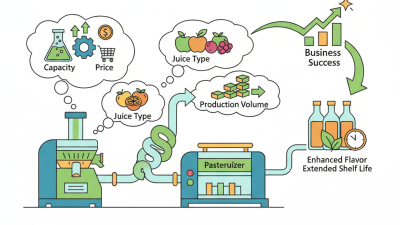
When choosing a juice pasteurizer machine, several factors require your attention. The right equipment plays a crucial role in preserving the quality and safety of your juice products. With many options available, it can be overwhelming to make a decision. Each machine has its specific features, and understanding these is vital for your business.

Consider the technology behind the juice pasteurizer machine. Different machines use varying methods to heat juice and eliminate harmful bacteria. Do your research on temperature control and processing time. These factors directly impact the flavor and nutritional value of your juice. Additionally, reliability is a key factor; you want a machine that can handle your production needs over time.

Don't forget about maintenance and service support. Find a model that is easy to clean and has accessible parts. It's also recommended to seek machines from reputable manufacturers. Their experience and expertise can provide peace of mind for your investment. Investing time in selecting the right juice pasteurizer machine ensures that your juice remains fresh and safe for consumers.
Top Tips for Choosing a Juice Pasteurizer Machine?

Understanding the Importance of Juice Pasteurization

Juice pasteurization is a crucial step in ensuring food safety and product quality. By applying heat, harmful pathogens are eliminated, significantly reducing the risk of foodborne illnesses. Reports indicate that pasteurization can decrease the microbial load by 99.9%, a statistic that underscores its importance. In the juice industry, this process not only extends shelf life but also preserves vital nutrients.

The significance of juice pasteurization extends to consumer trust. Research shows that over 70% of consumers prioritize safety when selecting juices. A product that has undergone proper pasteurization is more likely to meet these expectations. However, over-processing can lead to nutrient loss. Juices heated beyond necessary temperatures not only lose flavor but also beneficial enzymes.

Juice pasteurizers should balance efficacy with care. Select machines that control temperature precisely. Undercooked juice might harbor dangerous bacteria, while overcooked juice risks quality degradation. This balance is key, as both extremes reflect poorly on a product's reliability. Investing in a reliable pasteurization process not only enhances product safety but also enriches consumer confidence.

Key Features to Look for in a Juice Pasteurizer Machine

When choosing a juice pasteurizer, key features significantly impact performance and reliability. Focus on the temperature control system. A precise temperature setting helps ensure microbial inactivation while preserving nutrients. Look for machines with digital displays that allow easy monitoring. This ensures accuracy and reduces the risk of human error during the pasteurization process.

Another critical aspect is the capacity of the juice pasteurizer. Think about your production volume. Select a system that can handle your current needs but consider future growth as well. A machine that is too small leads to inefficiencies, while an oversized one may waste energy. Reflect on your operational workflow to ensure a good fit.

Additionally, sanitation is essential. Choose machines with easy-to-clean designs. Welded seams and smooth surfaces help in maintaining cleanliness and reducing contamination risks. Regular maintenance should also be considered. Some pasteurizers require specific upkeep schedules that may impact your operations. Be mindful of the efforts needed to keep the equipment in top condition.

Types of Juice Pasteurizers and Their Applications

When considering different types of juice pasteurizers, it’s essential to explore their specific applications. Batch pasteurizers are popular for small-scale operations. They heat juice in large vessels, ensuring effective temperature control. This method is ideal for preserving the flavor and nutrients of fresh juice while killing harmful bacteria. On the downside, batch systems can be time-consuming and less efficient for larger production needs.

Continuous pasteurizers are designed for high-volume processing. They allow juice to flow continuously through the pasteurization chamber, which saves time. This type ensures consistent pasteurization and is suitable for large juice manufacturers. However, the initial investment and maintenance can be significant. It’s critical to assess whether the volume justifies the cost.

HTST (High-Temperature Short-Time) pasteurizers gain attention for their efficiency. They heat juice rapidly, then cool it immediately, preserving taste and nutrients. This method works well for retailers looking to offer high-quality products. Still, companies must ensure proper monitoring of temperature to prevent spoilage. Each pasteurizer type has its strengths and weaknesses, making it vital to analyze business needs before making a decision.

Top Tips for Choosing a Juice Pasteurizer Machine

This chart illustrates the common applications of various types of juice pasteurizers. High Temperature Short Time (HTST) pasteurization stands out as the most widely used method, accounting for 40% of applications, while Low Temperature Long Time (LTLT), Flash Pasteurization, and Batch Pasteurization follow with 25%, 20%, and 15% respectively.

Evaluating Energy Efficiency and Costs of Pasteurizers

When selecting a juice pasteurizer, energy efficiency is paramount. High energy costs can drain budgets quickly. Investing in a machine that operates efficiently reduces long-term expenses. Look for models that feature adjustable temperature settings. This flexibility allows for better energy management. Consider devices with insulated heating elements. They typically retain heat better, saving energy during the process.

Costs include not just the purchase price but maintenance and operation. Evaluate the materials used in construction. Sturdy, high-quality materials often lead to lower long-term maintenance costs. Be mindful of the machine’s energy consumption ratings. A slightly higher initial investment in an energy-efficient model can lead to significant savings over time. Research potential grants or incentives for energy-efficient machinery. This might offset some costs.

Reflect on the specific needs of your operation. A machine that’s too large may waste energy on small batches. Conversely, a model that’s too small may require more frequent use, leading to inefficiencies. Balancing capacity with energy efficiency requires careful consideration. Remember, a well-informed choice today can positively impact your bottom line tomorrow.

Maintenance and Support Considerations for Long-Term Use

When selecting a juice pasteurizer machine, maintenance and support are critical for longevity. A machine is only as good as how well it is cared for. Regular cleaning and checking for wear and tear can prevent bigger issues down the line. Identify parts that need yearly replacement. This proactive approach can save money and downtime.

Training your staff is vital. They must know how to operate the machine safely. Misuse can lead to breakdowns. Regular training sessions can keep everyone informed on best practices. Additionally, having easy access to support is essential. A responsive customer service team can make a significant difference when issues arise.

Don't overlook the importance of user manuals. They often contain valuable troubleshooting tips. However, they can be dense and hard to follow. Encouraging team discussions about the manual can lead to better understanding. Documenting any recurring problems can inform future purchases. Not every machine is perfect; understanding its limitations can guide improvements in processes.