China Top 10 Bag in Box Packaging Suppliers?
China has become a major sourcing base for bag in box packaging, serving beverage, food, wine, liquid dairy, and industrial markets. Its supplier landscape includes flexible film converters, fitment manufacturers, filling-equipment specialists, and complete packaging companies.
This guide, “China Top 10 Bag in Box Packaging Suppliers,” examines manufacturers through practical purchasing criteria. These include film structure, oxygen resistance, fitment compatibility, filling speed, production capacity, quality control, export experience, and after-sales support. A reliable supplier should provide technical data, batch traceability, sample testing, and clear communication. Factory photographs help, but they do not replace audits.
Packaging consultant John D. H. Watson once observed, “The strongest packaging solution protects the product, simplifies logistics, and reduces unnecessary material.” This principle applies closely to bag in box packaging. A folded pouch can reduce shipping volume. Its outer carton can improve stacking and handling. Yet performance depends on details, including seal strength, valve design, storage temperature, and filling conditions.
Some supplier rankings remain imperfect. Public information can be incomplete, and product quality may vary between factories. Price alone can also mislead buyers. A lower quotation may exclude tooling, testing, certification, or technical support. Therefore, this overview should support further verification, not replace it. Buyers should request samples, conduct compatibility trials, and confirm current certifications before placing commercial orders. The following list offers a focused starting point for comparing China-based suppliers with greater confidence.
Bag-in-Box Packaging Explained: 1–25 L Formats, Films, Fitments, and Uses
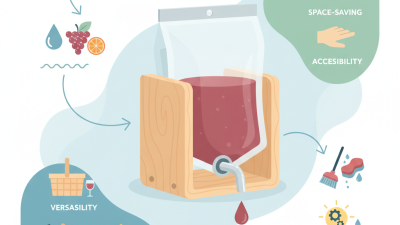
Bag-in-box packaging combines a flexible inner bag with a protective outer carton. Common sizes range from 1 to 25 liters. Smaller formats suit sauces, concentrates, and household liquids. Larger formats support foodservice, beverages, and industrial fluid distribution. The bag limits air exposure after opening. It can also reduce rigid plastic use in some supply chains. However, performance depends on product chemistry, filling temperature, storage time, and transport vibration. A practical trial is essential. Laboratory data alone can miss handling problems.
Film structures may use polyethylene, multilayer barriers, or high-barrier laminates. Selection depends on oxygen sensitivity, light exposure, aroma retention, and sealing strength. Fitments include spouts, caps, valves, and connectors. They control dispensing and support cleaner repeated use. A weak seal can cause leakage, even when the film looks robust. Reliable suppliers should provide migration documents, seal tests, drop tests, and compatibility results. Ask for samples filled with the actual product. Water testing is not enough.
Tips: Define the target volume first. Check filling equipment compatibility. Confirm carton compression strength for stacked pallets. Leave headspace only when necessary. Avoid choosing the thinnest film solely to reduce cost. A damaged bag creates waste and delays. I have seen an efficient package fail at the fitment, not the film. That lesson still deserves review.
Bag-in-Box Packaging Formats: 1–25 L Nominal Capacity
Bag-in-box systems are commonly produced in nominal capacities from about 1 to 25 L. Smaller formats are widely used for juices, wine, sauces, and liquid ingredients, while larger formats are suited to foodservice, institutional, and industrial applications. Typical systems combine multilayer barrier film with a fitment, tap, or aseptic dispensing valve; the exact film structure and closure depend on oxygen sensitivity, light protection, viscosity, and filling method.
How to Rank China’s Top 10 Suppliers: Capacity, MOQ, ISO 9001, and BRCGS
China Top 10 Bag in Box Packaging Suppliers?
Ranking China’s top ten bag-in-box packaging suppliers requires more than comparing factory size. Capacity should be checked through verified production lines, monthly output, pouch formats, and delivery records. A supplier claiming 20 million bags monthly should provide evidence, not only a sales presentation. Visit reports, equipment photos, and recent production schedules offer stronger proof.
MOQ also matters for importers and growing food companies. A practical ranking should compare standard MOQ, custom-print MOQ, sampling fees, and changeover costs. Smaller orders may receive higher prices or longer lead times. That is often overlooked. Ask for a written quotation with film structure, filling volume, fitment type, and tolerance limits.
ISO 9001 shows controlled quality processes, but it does not prove complete food-packaging safety. BRCGS certification offers stronger evidence when its scope covers the actual site and packaging products. Check certificate validity, audit grade, corrective actions, hygiene controls, and traceability tests. Request migration reports for the intended food contact conditions. A reliable supplier should explain batch coding, retained samples, complaint handling, and mock-recall timing.
A useful scorecard can assign 30% to capacity and delivery reliability, 20% to MOQ and commercial flexibility, 25% to ISO 9001 and BRCGS systems, and 25% to product performance. The weighting is not universal. Wine, dairy, sauces, and industrial liquids need different risk priorities. Recheck the ranking every year, because certificates, equipment, and service teams can change.
China Top 10 Bag in Box Packaging Suppliers? - How to Rank China’s Top 10 Suppliers: Capacity, MOQ, ISO 9001, and BRCGS
Anonymized comparison of China-based bag-in-box packaging supplier profiles. Ranking uses production capacity, minimum order quantity, quality-system certification, food-packaging certification, export readiness, and delivery capability. Certification and capacity claims should be verified through current certificates, audit records, and factory visits before purchase.
China’s Top 10 Bag-in-Box Suppliers: 1–25 L and Aseptic Packaging Capabilities
China’s Top 10 Bag-in-Box Suppliers: 1–25 L and Aseptic Packaging Capabilities
China’s leading bag-in-box suppliers increasingly cover formats from 1 to 25 liters. This range suits wine, juice, dairy alternatives, sauces, and industrial liquids. Smaller bags support retail shelves and sample distribution. Larger formats reduce handling and packaging waste in foodservice operations.
A reliable supplier should show more than attractive samples. Ask for material structures, seal-strength data, migration testing, and batch traceability. For aseptic applications, review sterilization methods, oxygen barriers, filling-room controls, and fitment compatibility. A practical factory visit can reveal clean-zone discipline, operator training, and maintenance quality. These details often matter more than polished brochures.
Not every supplier performs equally well across all sizes. Some excel at 3-liter retail bags but lack stable production for 20-liter formats. Others offer aseptic technology but limited customization. I would request pilot runs before approving a large order. Check whether bags survive transport vibration, temperature changes, and repeated dispensing. Small weaknesses can become expensive leaks. This part is easy to underestimate. Suppliers should also explain inspection frequency and corrective-action procedures. Certifications help, but they do not replace documented process control and consistent production records.