Top 10 Bag in Box Filling Equipment Options for Your Business Success
In the evolving landscape of packaging solutions, "bag in box filling equipment" has emerged as a pivotal technology for businesses seeking efficiency and sustainability. As per the latest industry research from Smithers Pira, the bag-in-box packaging market is projected to reach USD 4.5 billion by 2025, demonstrating a compound annual growth rate (CAGR) of 5.3%. This trend underscores the increasing demand for versatile and environmentally friendly packaging that meets both consumer expectations and regulatory standards.
The adoption of bag in box systems offers not only cost savings but also extended shelf life for perishable products, making it a preferred choice in various industries, including food and beverage, pharmaceuticals, and chemicals. With the rising consumer preference for products packaged in sustainable materials, manufacturers are compelled to invest in advanced filling equipment that aligns with environmentally responsible practices. According to a recent report by MarketsandMarkets, 60% of companies surveyed identified innovation in packaging technology as a top priority for future growth.
As we delve into the top 10 bag in box filling equipment options, it is essential to consider the unique features and benefits each type offers. By leveraging data-driven insights and understanding market demands, businesses can select the right equipment that not only enhances their operational efficiencies but also supports their long-term success in an increasingly competitive marketplace.
Choosing the Right Bag in Box Filling Equipment for Your Needs
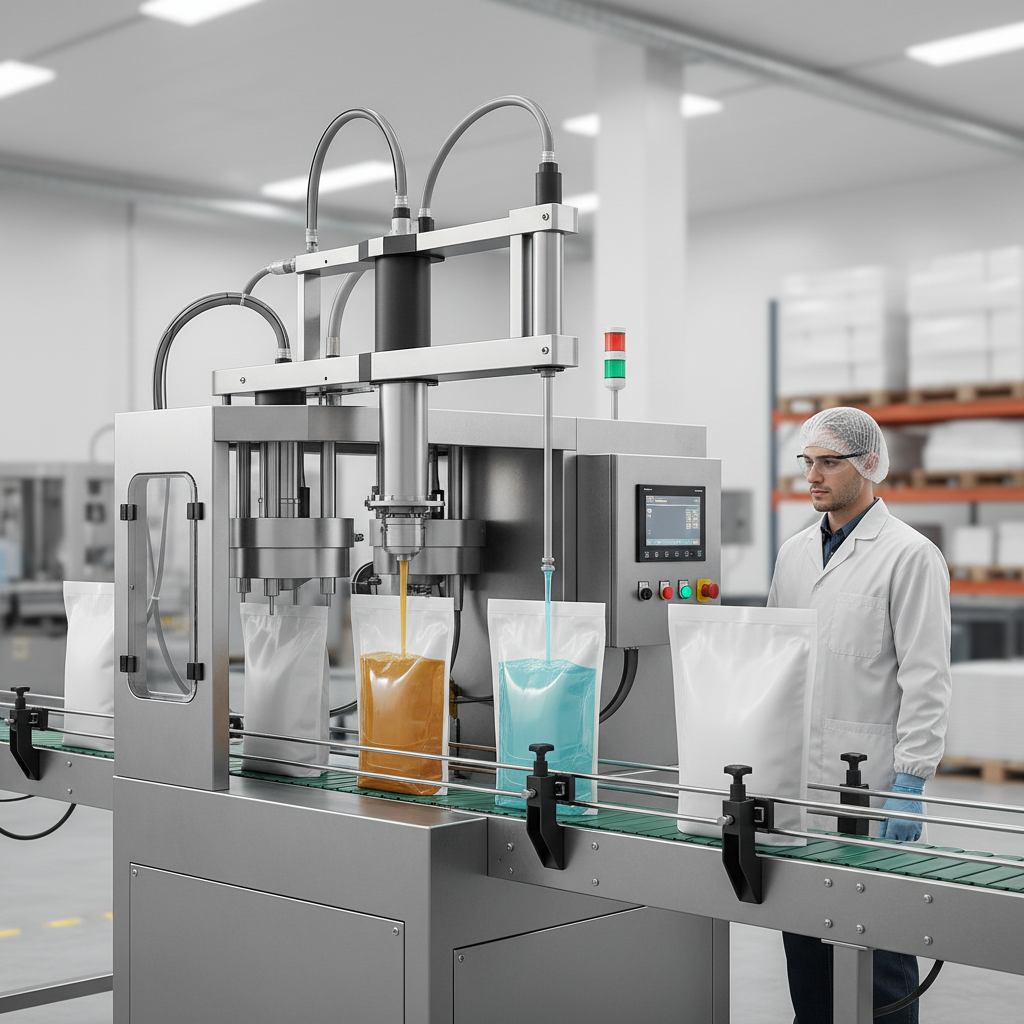
When selecting the right bag in box filling equipment for your needs, it's essential to consider various factors that can significantly impact your operational efficiency and product quality. Firstly, identify the type of product you intend to package, as the viscosity and consistency of your liquid can determine the type of filling machine required. For instance, thicker liquids may necessitate a piston filler, whereas a pump filler could be more appropriate for thinner products. Understanding these characteristics will guide you in choosing equipment that performs optimally for your specific applications.
Moreover, the scale of your operation plays a crucial role in your equipment selection. For businesses with high production demands, a fully automated filling system may offer the efficiency needed to keep pace with consumer demand. Conversely, smaller-scale operations might benefit from semi-automated or even manual options that provide flexibility and lower initial costs. It's also worth considering factors such as cleanability, maintenance requirements, and the availability of technical support, as these will influence your long-term satisfaction with the machinery you choose. Balancing these considerations will ensure that you invest in bag in box filling equipment that aligns with both your current needs and future growth potential.
Key Features to Look for in Bag in Box Fillers
When selecting bag in box fillers for your business, it's crucial to prioritize key features that enhance efficiency and product integrity. Firstly, look for machines that offer versatility in filling different bag sizes and types. A filler capable of adjusting to various specifications can significantly streamline your operations and reduce downtime during product changes. Additionally, consider the type of filling mechanism—whether gravity, pump, or vacuum systems are used—as each offers distinct advantages depending on your liquid's viscosity and sensitivity.
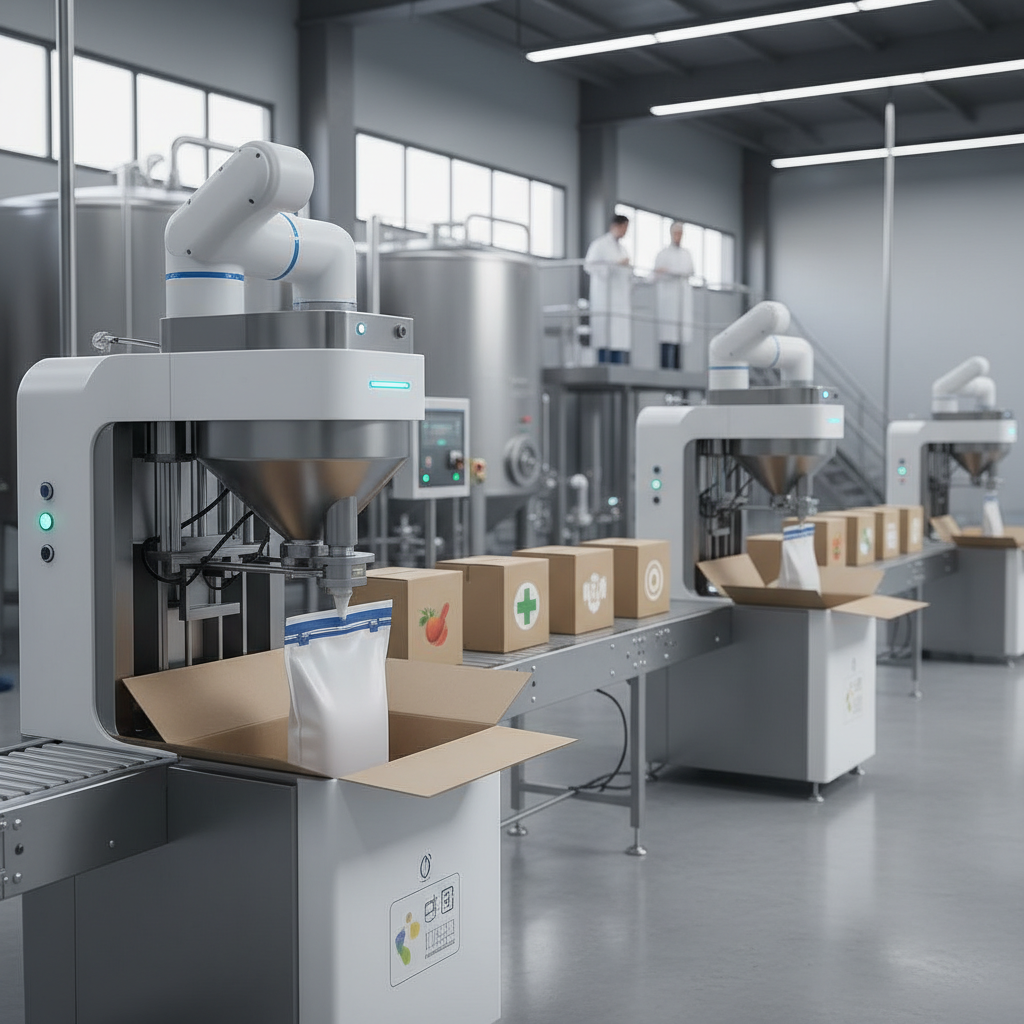
Another important feature is automation capabilities. Automated bag in box fillers can increase production speed and reduce labor costs, allowing for a more consistent and efficient filling process. Integration with existing packaging lines is also vital for minimizing space and maximizing workflow. Lastly, hygiene and ease of cleaning should not be overlooked. Equipment that adheres to food safety standards and is designed for easy disassembly can prevent contamination and ensure compliance with health regulations, ultimately safeguarding your product quality.
Comparing Automated vs Manual Bag in Box Filling Solutions
When considering bag-in-box filling solutions, businesses face a crucial decision: automated versus manual systems. Automated filling machines offer significant advantages in efficiency and consistency. According to a 2021 industry report by PMMI, over 70% of companies that switched to automated systems reported increased production rates, with some experiences efficiency boosts of up to 50%. This shift not only enhances the speed of operations but also reduces the potential for human error, thereby ensuring greater accuracy in filling quantities.
On the other hand, manual bag-in-box filling solutions can still be beneficial for smaller operations or those with unique product requirements. These systems typically require a lower initial investment and offer more flexibility for small batch sizes. A recent survey by Packaging Strategies indicated that 60% of small businesses prefer manual systems due to their adaptability and ability to cater to niche markets.
However, as production scales, the limitations of manpower become apparent, leading many to ultimately transition to automated solutions to keep up with growing demands. Ultimately, a careful analysis of production needs and growth plans is essential in making the right choice for your business.
Top Brands and Models in Bag in Box Filling Equipment
When considering bag in box filling equipment for your business, it's essential to focus on top brands and models that offer reliability and efficiency. Leading brands like Scholle IPN, Duraco, and Berry Global have been recognized for their innovative solutions in the packaging industry. These manufacturers provide various models tailored to different production needs, from small-scale operations to high-capacity filling lines. Their equipment features cutting-edge technology that ensures minimal waste and maintains product integrity, which is crucial for beverages, sauces, and dairy products.
Tips: When choosing bag in box filling equipment, look for models that offer flexibility in bag sizes and types. This versatility can significantly enhance your operation as your business needs change. Additionally, consider machines with easy maintenance features, as this can lead to lower downtime and increased productivity.
Investing in a high-quality bag in box system can streamline your packaging process and enhance your product's marketability. Brands that provide excellent customer support and service are equally important, ensuring that your equipment remains operational and efficient over time.
Maintaining Efficiency and Quality with Bag in Box Systems
Bag in Box (BiB) systems have become increasingly popular for businesses looking to enhance their packaging efficiency without compromising on quality. These systems enable companies to package liquids and semi-liquids in durable, flexible bags enclosed within a corrugated box, offering several advantages. Maintaining product integrity is crucial, and BiB systems provide a vacuum-sealed environment that helps prevent contamination and oxidation, ensuring that the product retains its freshness and flavor over time.
Efficiency in the filling process is another significant benefit of Bag in Box systems. These machines are designed to automate the filling and sealing process, drastically reducing labor costs and minimizing human error. With the right filling equipment, businesses can achieve high throughput while maintaining precise control over each fill. This level of automation not only speeds up production but also enhances consistency, allowing companies to meet customer demands swiftly and reliably. Investing in the right Bag in Box filling equipment is key to streamlining operations and elevating product quality, ultimately driving business success.