What Are the 2026 Top Bag in Box Filling Equipment Types?
Choosing the right bag in box filling equipment can shape product quality, production speed, and operating costs in 2026. Yet, the “top” machine depends on more than advertised output. A small juice producer may need a compact semi-automatic filler, while a high-volume dairy plant may require an automatic, multi-head system. Product viscosity, bag size, filling temperature, closure design, and cleaning procedures all influence the final decision.
Small details matter.
This guide examines the leading equipment types expected to attract attention in 2026. It covers gravity fillers, pump-driven systems, volumetric fillers, weight-based machines, aseptic fillers, and hot-fill solutions. Each type serves a different production challenge. Thick sauces may require stronger pumps and wider product paths. Sensitive beverages demand careful control of oxygen, heat, and sanitation. Aseptic equipment can protect shelf stability, but it also brings higher investment and stricter operating discipline.
A polished specification sheet can mislead.
Real performance depends on product testing, operator training, maintenance access, and reliable supplier support. Buyers should compare actual filling accuracy, changeover time, seal integrity, and cleaning results rather than trusting speed claims alone. Some machines appear efficient during demonstrations but become difficult to manage with sticky products or frequent format changes. This review uses practical evaluation criteria to explain where each bag in box filling equipment type performs well, where it may struggle, and which applications deserve closer inspection before purchase. No single system fits every factory. That is the part many comparisons overlook.
Bag-in-Box Filling Equipment: Definition, Structure, and Core Functions
What Are the 2026 Top Bag in Box Filling Equipment Types?
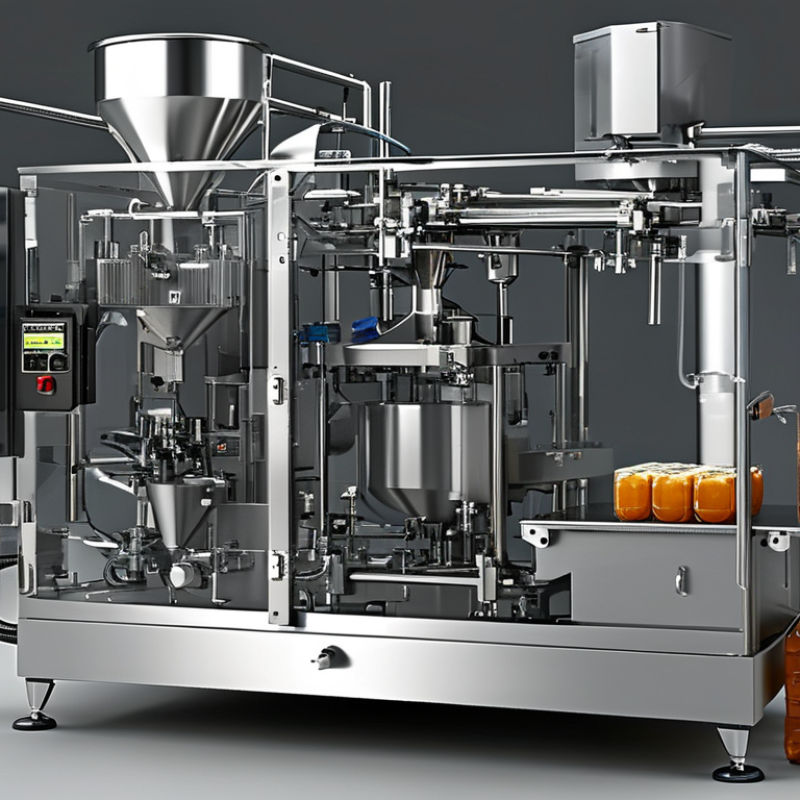
Bag-in-box filling equipment transfers liquid products into flexible bags inside protective cartons. Its structure usually includes a bag magazine, film or bag opening unit, dosing system, filling nozzle, sealing station, and control panel. The product path must remain clean and stable. Common formats include volumetric fillers, mass-flow fillers, hot-fill systems, cold-fill systems, and aseptic fillers. Each type matches different viscosity, temperature, shelf-life, and hygiene requirements.
The details matter. A volumetric filler suits repeatable products with consistent density. A mass-flow filler can improve accuracy when density changes during production. Aseptic equipment adds sterilization controls and requires stricter validation. PMMI’s 2024 packaging machinery outlook highlights automation, traceability, and flexible packaging as important investment priorities. Grand View Research valued the global bag-in-box packaging market at approximately US$3.7 billion in 2023, with growth projected above 6% annually through 2030. That expansion is pushing equipment toward faster changeovers and smarter monitoring.
In production assessments, the weak point is often not the pump. It is poor bag positioning or incomplete sealing. Small wrinkles can create leaks. A tidy specification can still fail on the factory floor. The best 2026 systems therefore combine controlled dosing, air removal, seal inspection, and data recording. Not always perfectly. Operators still need practical access, clear alarms, and simple cleaning procedures. Equipment selection should follow the product and process, not fashionable automation alone.
How Bag-in-Box Filling Machines Work Step by Step
Bag-in-box filling equipment usually falls into semi-automatic, automatic, and aseptic types. The right choice depends on product viscosity, package size, hygiene requirements, and production speed. Each machine follows a controlled sequence, although small adjustments are often necessary during real operation.
An operator places an empty bag into the filling chamber and secures its fitment under the filling head. The machine may remove trapped air before filling begins. A pump or gravity system then moves the product through sanitized product lines.
Flow meters or load cells measure the target volume. When the set value is reached, the valve closes and limits dripping. The filled bag is lowered gently, capped, and moved for visual inspection.
Operators check wrinkles, weak seals, leakage, and incorrect weight. One overlooked wrinkle can affect carton fit.
Tips: Keep product temperature stable, because viscosity changes can disturb filling accuracy. Clean the product path according to a documented schedule. Check calibration regularly. Record unusual foam, slow flow, or seal damage instead of ignoring it. In practice, even advanced equipment may need slower filling near the final volume. That small compromise can reduce overflow and improve consistency.
Top Bag-in-Box Filling Equipment Types for 2026
Top Bag-in-Box Filling Equipment Types for 2026
Bag-in-box demand is moving beyond simple liquid dispensing. Grand View Research projects the global bag-in-box market to grow at about 6.5% annually from 2024 to 2030. That growth is increasing interest in accurate, flexible filling equipment.
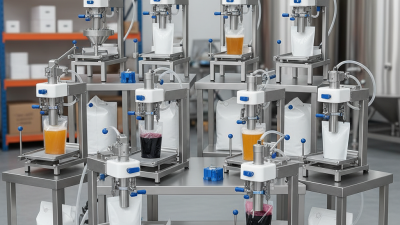
Semi-automatic fillers suit smaller processors and changing product batches. Operators position the bag, connect the nozzle, and start the cycle. These machines usually need less capital and floor space. They also depend heavily on operator consistency. That part is often underestimated.
Automatic volumetric fillers deliver faster output for water, sauces, dairy alternatives, and cleaning liquids. Servo-driven dosing can reduce variation, especially when viscosity changes during production.
Aseptic and hot-fill systems are becoming important equipment types for products requiring longer shelf life. Aseptic systems use controlled sterilization, while hot-fill units rely on elevated product temperatures and compatible packaging materials. Weight-based fillers can improve accuracy when product density fluctuates.
PMMI’s recent packaging machinery research identifies labor shortages and automation as continuing investment drivers. Smithers’ global packaging outlook also highlights lightweighting and material efficiency as major development pressures. However, high automation is not automatically better. A poorly matched filler can create more waste, difficult maintenance, and expensive downtime. Process trials, cleaning requirements, bag film behavior, and real production speed should guide the 2026 equipment choice.
How to Compare Bag-in-Box Filling Equipment by Application
Choosing the right bag-in-box filler in 2026 depends more on application than on machine speed. Liquid type, packaging volume, hygiene demands, and operator skill should guide the comparison. A semi-automatic filler suits small wineries, test kitchens, and seasonal production. It offers flexibility, but manual handling can limit consistency.
For higher output, automatic filling equipment reduces labor and controls fill weight more reliably. It fits water, juice, sauces, and other steady-flow liquids. Viscous products may need stronger pumps and wider product paths. Liquids containing small particles require gentle transfer and carefully designed valves. Aseptic applications demand stricter sterilization control, sealed connections, and validated operating procedures. Bag size also matters. Frequent size changes can create downtime if tooling is difficult to adjust. That detail is often underestimated.
Tips:
Compare machines using your actual product, bag formats, and hourly target. Request a test with your liquid at its real temperature. Check cleaning access, changeover time, filling accuracy, and service training. Do not judge equipment by brochure speed alone. In plant trials, a slower filler sometimes delivers better yield because it creates fewer rejected bags. Record those losses. They may reveal a weak assumption in your purchase plan.
Key Selection Criteria for Bag-in-Box Filling Equipment in 2026
What Are the 2026 Top Bag in Box Filling Equipment Types?
Bag-in-box filling equipment in 2026 ranges from manual and semi-automatic units to high-speed automatic and aseptic systems. Selection should begin with the product, not the machine catalogue. Water-like liquids may suit simple volumetric fillers. Thick sauces often need servo-driven piston pumps, wider product paths, and controlled filling pressure. Aseptic equipment requires validated sterilization, sterile air management, and strict process monitoring.
Market evidence supports careful investment. Grand View Research estimates the global bag-in-box container market could grow at roughly 6% annually through 2030. PMMI reported that U.S. packaging machinery shipments reached about 10.2 billion dollars in 2023. This growth increases equipment choices, but it also increases comparison risks. A fast filler is not automatically the best filler.
Check accuracy, output rate, oxygen exposure, cleaning time, and changeover steps. For sensitive products, residual oxygen below the process limit may matter more than headline speed. Ask for measured data using your actual bag film, spout, viscosity, and temperature. Energy demand and compressed-air consumption deserve attention too. They quietly affect operating costs. Food-contact materials should align with applicable regional requirements, while records should support traceability and validation. No machine is perfect. Even experienced teams can underestimate operator training, maintenance access, or downtime during format changes. A realistic factory trial often reveals more than a polished specification sheet. Sources: Grand View Research, Bag-in-Box Container Market Report; PMMI, 2024 U.S. Packaging Machinery Shipments Report.
What Are the 2026 Top Bag-in-Box Filling Equipment Types?
Representative throughput ranges for common bag-in-box filling equipment configurations
Automatic and aseptic systems generally provide the highest output and process consistency, while semi-automatic machines offer greater flexibility for smaller production runs. Selection should consider bag size, product viscosity, filling accuracy, hygiene requirements, cleaning method, oxygen exposure, changeover time, and the required production capacity. Throughput figures are representative planning values and may vary according to product, package size, and line configuration.