Top Fruit Processing Machinery for Efficient Production?
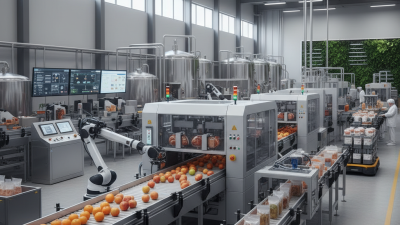
In today’s fast-paced food industry, efficient production is vital. Fruit processing machinery plays a crucial role in this area. These machines help to maximize output while ensuring product quality. They are designed to handle various tasks, including washing, slicing, and packaging. Different types of machinery cater to specific needs, enhancing operational efficiency.
The importance of selecting the right fruit processing machinery cannot be overstated. Investing in advanced equipment can lead to significant cost savings. However, not all machinery is created equal. Some may fall short in terms of durability and reliability. Understanding the features and specifications is essential for making informed decisions. Certain machines may require more maintenance than others, leading to unexpected downtime.
Moreover, there are always improvements to be made. Continuous innovation in fruit processing machinery brings new challenges to manufacturers. As the market evolves, staying updated with the latest technology is key. The success of any fruit processing facility often hinges on its machinery efficiency. By carefully analyzing options, businesses can create a more productive environment. The journey of enhancing production is ongoing.
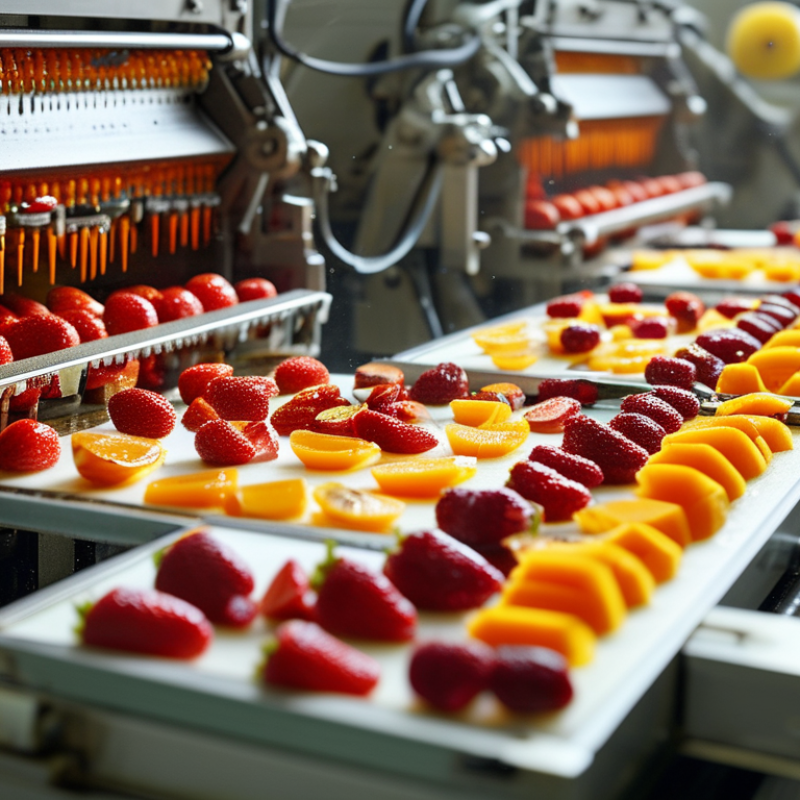
Essential Types of Fruit Processing Machinery for Efficient Production
Fruit processing is a vital sector that requires specialized machinery to optimize production. A recent industry report indicates that the global fruit processing machinery market is projected to grow at a CAGR of 6.27% by 2025. This growth highlights the demand for efficient production methods in response to increasing consumer preferences for processed fruits.
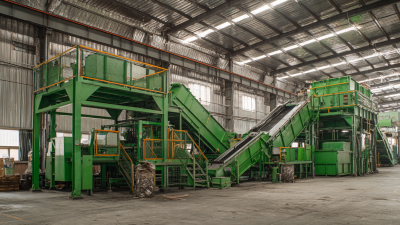
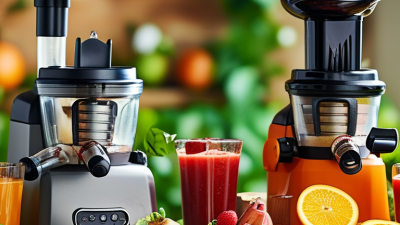
Essential machinery types include fruit peelers, crushers, and juicers. Fruit peelers significantly reduce manual labor, promoting a safer working environment. Crushers then break down the fruit, making subsequent processing stages more efficient. Juicing equipment is critical for maximized yield, providing consistent quality and quantity in juice production. According to a report from Transparency Market Research, the juicing segment holds about 30% of the market share due to its efficiency.
While investing in advanced machinery proves beneficial, challenges remain. Maintaining equipment can be daunting, leading to potential downtimes. Additionally, the initial investment can be substantial, causing smaller producers to hesitate. Producers must balance costs with expected returns, ensuring sustainability. Understanding these dynamics is crucial for navigating the fruit processing landscape effectively.
Key Features to Consider When Selecting Fruit Processing Equipment
When selecting fruit processing equipment, several key features warrant attention. Efficiency is paramount in modern production. According to industry reports, automated systems can increase output by up to 30%. Machines designed for multi-functional use enhance versatility and streamline production lines. Having a machine that can peel, slice, and juice simultaneously saves time and reduces labor costs.
Quality of materials is another crucial consideration. Equipment made from stainless steel not only ensures durability but also complies with food safety standards. Regular maintenance is essential. Equipment that is easier to clean and maintain reduces downtime. Data from the Food Processing Machinery Report suggests that routine maintenance can extend the life of machinery by 25%.
Energy consumption also deserves attention. Machines that have energy-efficient features help reduce operational costs. In certain regions, energy costs account for 20% of production expenses. Investing in greener technology often leads to long-term savings. Reflecting on these factors can significantly impact production efficiency and cost-effectiveness in the fruit processing sector.
Leading Brands in Fruit Processing Machinery and Their Innovations
The fruit processing industry has seen significant advancements over the years. Leading brands are now focusing on innovations that enhance efficiency and quality. According to a recent market report, the global fruit processing machinery market is expected to reach $25 billion by 2025. This growth is driven by the increased demand for processed fruits.
Innovation in this field includes equipment that optimizes peeling, cutting, and packaging. For example, automated peeling machines can reduce labor costs and ensure consistency. With the push for sustainability, some manufacturers are introducing machines that minimize waste. These innovations not only improve productivity but also enhance the overall quality of the final product.
In the pursuit of efficiency, consider the importance of regular maintenance on machinery. Well-maintained equipment can significantly extend its lifespan. Also, investing in training for your employees can reduce errors and increase operational efficiency. Knowledgeable staff will better utilize equipment features, leading to higher output. Remember, if something isn’t working as expected, it’s time to reevaluate your processes and machinery.
The Role of Automation in Enhancing Fruit Processing Efficiency
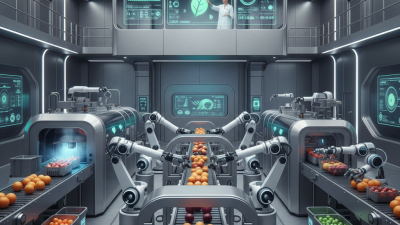
Automation plays a crucial role in modern fruit processing. It's not just about speed; it’s about precision and reducing waste. According to a recent industry report, automated systems can reduce processing time by up to 30%. This translates to higher output with fewer resources. For example, sorting machines that utilize advanced algorithms can identify and categorize fruits based on quality rapidly.
Integrating automation can also enhance hygiene and safety standards. Automated cleaning systems ensure that machinery is sanitized regularly. This is essential in maintaining food safety. Additionally, the workforce can be redirected towards quality control, thereby improving the overall product quality. A study noted that businesses focused on automation reported a 25% decrease in labor-related accidents.
Yet, automation isn’t without its challenges. There are concerns about initial costs and maintenance of advanced equipment. Not every facility has the resources to implement sophisticated systems. It's essential to evaluate if the long-term benefits justify the initial investment. The industry must reflect on how to best balance technology with human expertise to create an efficient, safe, and sustainable production environment.
Top Fruit Processing Machinery Efficiency
This bar chart demonstrates the time efficiency (in minutes) of various steps involved in fruit processing. Automation plays a crucial role in reducing processing time and enhancing overall efficiency.
Cost-Effectiveness of Investing in Quality Fruit Processing Equipment
Investing in quality fruit processing machinery is essential for enhancing production efficiency. While the initial costs can be high, the long-term benefits significantly outweigh the expenses. Quality equipment often leads to faster processing times and reduced waste, ultimately improving profitability. When equipment is reliable, you reduce downtime and labor costs. This becomes increasingly important for businesses looking to scale their operations.
Pay attention to the efficiency ratings of the machinery you select. Look for equipment that offers versatility; it should handle various fruits and processing methods. This flexibility often justifies a higher initial investment, as it can adapt to changing demands. Also, consider the maintenance needs. Machines that require less frequent servicing can save both time and money in the long run.
Sometimes, businesses rush into purchasing equipment without fully assessing their specific needs. Reflecting on what production volume you aim to achieve can prevent future losses. Investing in second-hand machinery can seem attractive, but weigh the risks of potential repairs and inefficiencies. Choose wisely to ensure that your investment aligns with your production goals and quality standards.