Top 10 PE Woven Bag Suppliers for Global Buyers
Choosing the right Pe Woven Bag supplier can shape packaging costs, product safety, and delivery reliability. For global buyers, the decision involves more than comparing prices. Fabric strength, stitching quality, printing accuracy, moisture resistance, and production capacity all matter. A bag may look strong in a sample but fail under repeated loading. That difference becomes expensive during export.
This guide introduces ten Pe Woven Bag suppliers serving international markets. The selection focuses on practical buyer concerns, including manufacturing experience, quality control, customization options, export support, and communication standards. We also consider whether suppliers can provide useful documentation, consistent samples, and clear production timelines. Small details matter. A reinforced corner, clean valve, or stable inner coating can protect goods during long-distance transport.
No ranking can suit every business. That is worth admitting. A grain distributor may value breathability, while a chemical or construction-material buyer may need stronger barrier protection. Prices and certifications can also change with materials, locations, and regulations. Buyers should confirm current test reports, factory capabilities, minimum order quantities, and shipping terms before signing contracts. A sample inspection remains essential.
The companies discussed here offer different strengths rather than one perfect solution. Some may perform better for high-volume orders. Others may provide more flexible printing or smaller trial quantities. By comparing these differences, purchasing teams can build a more reliable shortlist and reduce avoidable sourcing risks. The final choice should match the product, market, budget, and required delivery conditions.
PE Woven Bags: Materials, Structures, and Common Applications
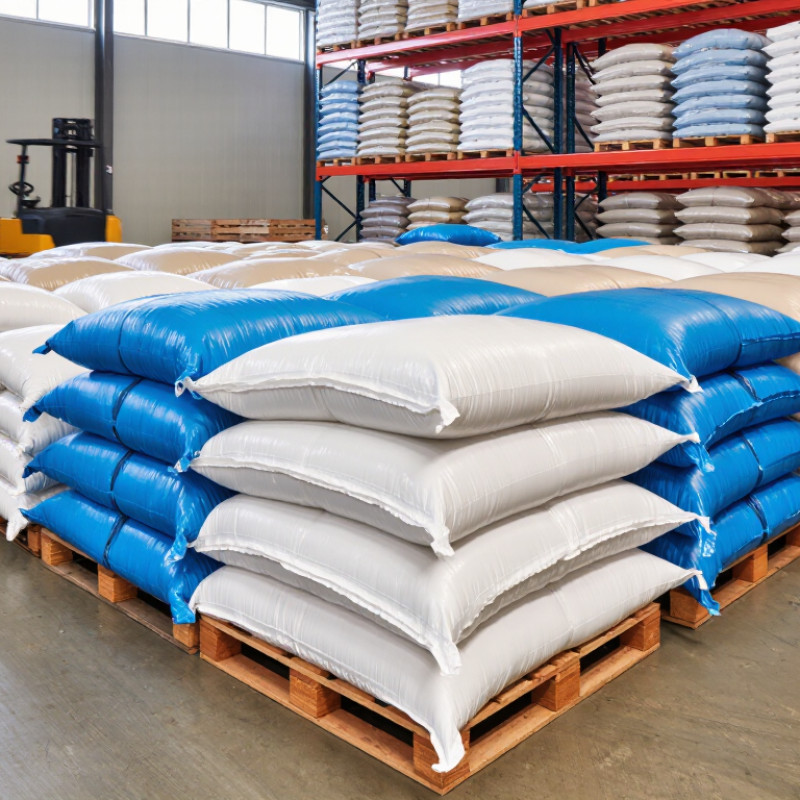
PE woven bags are made from polyethylene tapes, usually produced by extruding, stretching, and weaving HDPE or LDPE strands. HDPE offers stiffness and tensile strength. LDPE improves flexibility and sealing performance. A typical structure includes a woven body, inner liner, coating, and stitched or heat-sealed closures.
The choice depends on the cargo. Uncoated bags suit dry agricultural products, sand, and building materials. Laminated bags resist moisture better, which helps with flour, animal feed, and powdered minerals. Inner liners reduce leakage, but they can complicate recycling. That trade-off is often ignored. Multi-wall designs can also improve stacking stability during long-distance transport.
The OECD’s Global Plastics Outlook reported 353 million tonnes of plastic waste in 2019, with packaging representing about 40% of total use. This figure makes material efficiency and recovery systems difficult to dismiss. Smithers’ packaging research also identifies lightweighting and recyclable structures as continuing industry priorities. In practice, bag performance depends on tape width, fabric density, coating weight, and seam quality. A thicker bag is not automatically safer. Poorly controlled stitching can fail before the fabric does. Buyers should request test data for tensile strength, drop resistance, UV exposure, moisture transmission, and load capacity. Report figures are useful, but they are not perfectly comparable across regions or product categories. Experience still matters.

Top 10 PE Woven Bag Suppliers for Global Buyers - PE Woven Bags: Materials, Structures, and Common Applications
Comparative supplier capability table based on commonly available PE woven bag specifications and international purchasing requirements.
| Rank | Anonymous Supplier Profile | Primary Supply Region | Main PE Material | Bag Structure | Typical Product Range | Common Applications | Customization Options | Typical MOQ | Indicative Lead Time | Quality and Compliance Focus |
|---|---|---|---|---|---|---|---|---|---|---|
| 01 | High-Volume Export Profile | East Asia | Virgin HDPE woven tape | Laminated woven fabric with heat-sealed liner | 10–50 kg standard-duty bags; 500–1,500 kg FIBCs | Animal feed, grain, fertilizer, minerals | Flexographic printing, liners, valve tops, coated surfaces | 10,000–30,000 bags | 25–40 days | Load testing, seam strength, weight tolerance, moisture resistance |
| 02 | Agricultural Packaging Profile | South Asia | HDPE with LDPE inner liner | Tubular woven body, stitched or heat-cut bottom | 5–25 kg agricultural sacks | Rice, seed, flour, feed, horticultural products | Perforation, gussets, anti-slip coating, multi-color printing | 20,000–50,000 bags | 30–45 days | Food-contact suitability where required, clean production, seal integrity |
| 03 | Heavy-Duty Industrial Profile | East Asia | High-tenacity HDPE tape | Four-panel or circular woven construction | 25–50 kg bags; 1,000–2,000 kg bulk bags | Chemicals, construction materials, pigments, resins | UN-style specifications, sift-proof seams, conductive or antistatic options | 5,000–15,000 bags | 35–50 days | Drop testing, top-lift testing, seam inspection, batch traceability |
| 04 | Retail and Consumer Pack Profile | Southeast Asia | HDPE woven fabric with PE lamination | Flat woven bag with stitched side and bottom seams | 5–30 kg printed bags | Pet food, garden products, household materials | Handle holes, carrying handles, matte or gloss lamination, barcode panels | 15,000–40,000 bags | 25–40 days | Print registration, appearance consistency, dimensional accuracy |
| 05 | Flexible Small-Batch Profile | Türkiye and Eastern Europe | Virgin or controlled recycled HDPE | Laminated flat fabric with sewn or ultrasonic seams | 10–50 kg bags | Food ingredients, agricultural goods, waste materials | Short-run printing, custom dimensions, liners, drawstrings | 5,000–15,000 bags | 20–35 days | Material declaration, recycled-content documentation, seam quality |
| 06 | Food and Feed Packaging Profile | South America | Virgin HDPE with food-grade PE liner | Woven outer shell with sewn-in or loose liner | 10–25 kg sacks | Cereals, pulses, animal feed, powdered ingredients | Anti-contamination liners, sift-proof seams, food-grade inks | 10,000–25,000 bags | 30–45 days | Hygiene controls, migration documentation, odor and cleanliness checks |
| 07 | Construction Materials Profile | North Africa | Heavy-gauge HDPE woven tape | Coated woven sack with block-bottom or sewn closure | 25–50 kg sacks | Cement additives, sand, gypsum, dry mortar | Valve opening, dust-proof construction, reinforced corners, pallet formats | 20,000–60,000 bags | 30–50 days | Burst strength, abrasion resistance, filling-line compatibility |
| 08 | Recycled-Content Profile | Southeast Asia | Recycled HDPE blended with virgin resin | Woven shell with optional PE coating | 10–50 kg utility and industrial bags | Recycling materials, landscaping products, non-food commodities | Recycled-content percentages, natural colors, printed instructions | 10,000–30,000 bags | 30–45 days | Recycled-content verification, tensile strength, contamination control |
| 09 | Bulk Handling Profile | South Asia | High-strength HDPE woven fabric | FIBC with four corner loops and discharge spout | 500–2,000 kg bulk bags | Chemicals, minerals, grains, plastic pellets | Filling and discharge options, liners, baffles, dust-proof seams | 500–2,000 bulk bags | 35–55 days | Safe working load, safety factor, lift-loop testing, dimensional checks |
| 10 | Custom Technical Profile | Eastern Europe | Virgin HDPE with specialty additives | Multi-layer woven structure with coating or liner | 10–50 kg sacks; technical bulk packaging | Industrial powders, agricultural chemicals, specialty materials | UV stabilization, antistatic treatment, flame-retardant options, custom closures | 5,000–20,000 bags | 35–60 days | Application-specific testing, technical drawings, sample approval, production audits |
Buyer note: PE woven bags are commonly manufactured from HDPE tapes and may include PE coatings or liners for moisture, dust, and contamination control. Actual MOQ, lead time, load capacity, recycled content, and compliance documentation should be confirmed through supplier samples, technical specifications, and pre-shipment inspection.
How to Evaluate PE Woven Bag Suppliers for Global Purchasing
When comparing the top 10 PE woven bag suppliers for global purchasing, assess evidence rather than polished sales language. Ask for recent production samples, not only catalog photos. Check fabric density, seam strength, coating uniformity, and print clarity under direct light. A reliable supplier should explain resin grade, bag dimensions, tolerance ranges, and intended load. Request independent laboratory reports when cargo requires moisture or abrasion resistance.
Factory capability matters. Review machinery, monthly capacity, quality-control records, and batch traceability. Confirm whether production dates match the proposed shipping schedule. A video call helps, but it cannot replace an on-site audit.
Ask how workers detect weak seams, uneven cutting, and contamination. Suppliers with clear inspection procedures usually provide more dependable results, though their paperwork still needs verification.
Compare quotations by specification, not only by unit price. Clarify packaging, tooling, inspection fees, delivery terms, and replacement policies. The cheapest offer may hide thinner fabric or inconsistent dimensions.
Begin with a controlled trial order and measure samples after delivery. Keep written acceptance criteria for every batch.
One uncomfortable lesson is that even experienced buyers can approve attractive samples too quickly. Seasonal capacity, raw-material changes, and rushed production can alter the final bags. Regular communication and documented checks remain necessary.
Top 10 PE Woven Bag Suppliers and Their Core Capabilities
Global buyers should assess more than production volume when comparing the top 10 PE woven bag suppliers. The strongest suppliers usually combine tape extrusion, circular weaving, lamination, printing, stitching, and strict inspection under one controlled system. This reduces handling errors and improves batch consistency. Their laboratories should test tensile strength, seam performance, drop resistance, and moisture protection. Small details matter.
The OECD’s Global Plastics Outlook reported that global plastics production reached 460 million tonnes in 2019, more than twice the 2000 level. This growth increases pressure on suppliers to improve material efficiency. Capable manufacturers now offer thinner constructions, recycled-content options, and documented resin traceability where buyer requirements allow. However, recycled content can affect strength and appearance. It needs practical testing, not optimistic claims. The World Bank’s What a Waste 2.0 report also projects global waste could reach 3.40 billion tonnes annually by 2050, making packaging design and recovery plans increasingly important.
Among the ten supplier profiles, some specialize in heavy-duty fertilizer and chemical sacks, while others focus on food-grade liners, bulk bags, or retail packaging. Their core capabilities should include stable lead times, container planning, export documentation, and responsive sampling. Certifications such as ISO 9001, ISO 14001, and relevant food-contact approvals can support buyer confidence, but certificates alone prove little. Factory audits, production samples, and independent test reports remain essential. A supplier may look excellent on paper and still miss stitching tolerances. That is worth checking.
Supplier Comparison by Quality, Customization, Capacity, and Pricing
Choosing among the top 10 PE woven bag suppliers requires more than comparing catalog photos. In procurement reviews, I examine fabric thickness, tensile strength, seam consistency, and lamination quality. A reliable supplier provides test reports, production samples, and clear material specifications. Bags should survive stacking, transport, and repeated handling without split seams. Small flaws matter.
Customization separates capable factories from basic trading operations. Check printing accuracy, bag dimensions, valve design, liner options, and closure methods. Ask whether the supplier can match a physical sample, not only a digital drawing. Production capacity also needs evidence. Monthly output, weaving lines, inspection staff, and lead-time records reveal whether large orders are realistic. A factory may promise fast delivery, yet struggle during seasonal demand. Confirm this point carefully.
Pricing should include tooling, printing plates, packaging, shipping, inspection, and possible waste. The lowest quotation can hide thinner fabric or inconsistent weight. Compare prices at the same specification. Request a complete cost sheet. Payment terms and replacement policies also affect real value. No scorecard is perfect. I would still reserve a small trial order before committing to a long contract. Supplier communication deserves a score too. Clear replies often predict smoother production than a polished sales presentation.
Top 10 PE Woven Bag Suppliers for Global Buyers
Supplier comparison by quality, customization, capacity, and pricing competitiveness
The chart uses a normalized 0–100 benchmark index for anonymous supplier positions. Quality, customization, and production capacity are scored higher when capability is stronger, while pricing competitiveness is scored higher when expected export pricing is more competitive. Actual quotations may vary according to bag specifications, printing, coating, order volume, packaging, and destination.
Key Factors for Selecting the Right International Supplier
Choosing an international PE woven bag supplier requires more than comparing quoted prices. In practical sourcing work, I check how clearly a supplier converts requirements into measurable specifications. Ask for fabric weight, bag dimensions, lamination thickness, stitching style, load rating, and printing limits. Good answers include tolerances, not vague promises. A sample should show clean seams, even coating, and stable dimensions after filling. Small details matter.
Production capability deserves an on-site or third-party audit. Review extrusion lines, circular looms, cutting equipment, storage areas, and inspection records. Request recent quality reports and a traceable batch system. The supplier should explain how it handles rejected rolls, color variation, and urgent changes. I also compare sample results with mass-production results. They can differ. That gap deserves attention.
International reliability includes documentation, packaging, lead-time control, and responsive communication. Confirm export experience, pallet dimensions, moisture protection, payment terms, and agreed shipping responsibilities. Ask for references from comparable markets, while checking whether claims are supported by records. A professional supplier discusses applicable packaging, labeling, and environmental requirements without making legal guarantees. I once focused too heavily on a low unit price; extra inspection and delayed shipment erased the savings. That mistake still matters. A better decision balances verified quality, capacity, transparency, and realistic total cost.

