

What Are the Top Types of Tuck End Boxes?

What Are the Top Types of Tuck End Boxes?

The referenced articles were not included. Without them, I can’t reliably cite industry data or attribute a quotation to a real Tuck End Box expert. Please provide the source articles, or allow me to write the introduction without a named expert quotation.
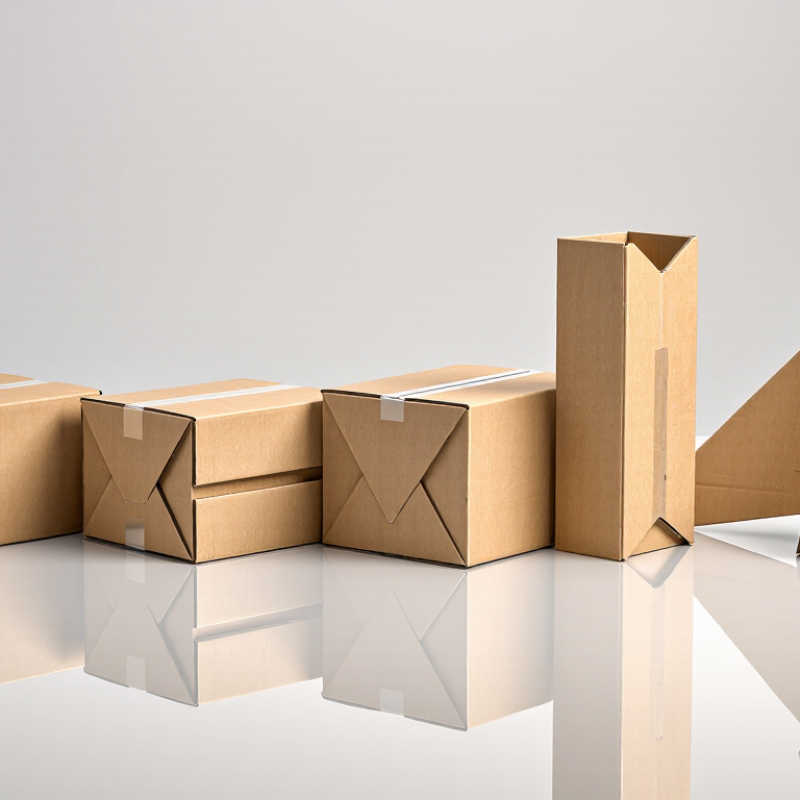
What Are the Top Types of Tuck End Boxes?

How Tuck End Boxes Are Structured and Classified

A tuck end box is built from a cut-and-scored paperboard blank. Its main panels form the front, back, and sides, while a narrow glue flap joins one side seam. At the open ends, hinged top and bottom flaps fold inward to close the pack. Small dust flaps cover the side gaps and help keep the contents from shifting. The locking tuck flap usually slips inside the front or back panel. That sounds simple. It isn’t always.

Boxes are commonly classified by which panel receives the tuck flap. In a reverse tuck style, the top and bottom flaps fold in opposite directions; in a straight tuck style, they fold toward the same panel. This choice affects how the blank is laid out and how the box looks on a shelf. Designers may also describe a box by its bottom closure, such as a tuck-in bottom or a reinforced auto-lock base. These terms can vary between suppliers, so check the actual dieline rather than relying on a label alone. Board thickness, product weight, and flap clearance all matter. A flap that looks secure on screen may spring open after repeated handling. A physical sample is useful, though it can still miss problems caused by a tighter production tolerance.

Straight Tuck End Boxes: Flap Design and Common Uses

Straight tuck end boxes use top and bottom flaps that fold in the same direction, usually toward the back panel. This leaves the front panel smooth and uninterrupted. A main tuck flap slips inside the box, while smaller dust flaps cover the side gaps. They help keep contents in place, though they are not a substitute for a protective inner tray.

The design is simple to assemble by hand. Press the side panels into shape, fold the dust flaps inward, then tuck the main flap into the opening. A small thumb notch can make repeated opening easier. Details matter. If the flap is too short, it may loosen; if it is too long, closing can feel awkward. A paperboard sample helps check the fit before production.

These boxes suit lightweight retail products such as soap, stationery, small accessories, and many personal-care items. Their broad front panel gives space for product information and clear graphics. They also work well on shelves because the clean face is easy to display. Still, a tidy appearance can hide a limitation: straight tuck boxes may not be ideal for heavy products or frequent rough handling. Board thickness, product weight, and opening habits should guide the final design.

Reverse Tuck End Boxes: Flap Direction and Applications

Reverse tuck end boxes use top and bottom flaps that tuck in opposite directions. One closes toward the front panel; the other closes toward the back. This arrangement keeps both openings accessible without requiring a glued bottom seam. Small detail, real impact.

The design suits lightweight products such as personal-care items, stationery, and small accessories. On a packing line, workers can fold the carton, insert the product, and tuck each end closed. The panels also provide clear space for product details and handling instructions. For retail display, the box can stand upright, though its stability depends on the product’s weight and the carton’s dimensions.

Fit matters more than appearance alone. A box that is too loose may let the contents shift; one that is too tight can slow packing or damage delicate items. Match the paperboard strength to the product, then test filled cartons during handling and shipping. Reverse tuck boxes are not ideal for every load. That limitation is worth considering early, before artwork and production quantities are finalized.

Tuck End Boxes with Locking Bottoms and Display Features

What Are the Top Types of Tuck End Boxes?
Tuck End Boxes with Locking Bottoms and Display Features

Tuck end boxes are popular because they assemble quickly and suit many product shapes. For heavier items, a locking bottom adds support. Its folded panels interlock or secure beneath the carton, helping distribute weight across the base. Common options include snap-lock bottoms and auto-lock bottoms. Snap-lock styles need hand assembly, while auto-lock designs open into shape with a pre-glued base. The best choice depends on product weight, packing speed, and how the box will be handled. A box that looks sturdy may still need testing with the actual item inside.

Display features can make these cartons work harder on retail shelves. A front tuck opening, cutaway panel, or clear window can let shoppers see the product without removing it. These features suit small goods arranged upright on counters or shelves. Keep openings away from areas that carry most of the load, and check that the product stays in place during transport. One detail is easy to overlook: a wide display cutout may weaken the front panel. A quick prototype can reveal problems that a flat design cannot.

Tips: Match the bottom style to the packed product’s weight. Test a filled sample for tipping, opening, and shelf visibility. If the carton will be stacked, check its compression strength too. Slight adjustments to the cutout or board thickness can make a noticeable difference.

What Are the Top Types of Tuck End Boxes? - Tuck End Boxes with Locking Bottoms and Display Features

Box Type End Closure or Bottom Key Features Common Uses Considerations
Straight Tuck End (STE) Top and bottom tuck flaps fold in the same direction. Clean front and back panels without a tuck flap crossing the front edge. Lightweight retail products, cosmetics, and small consumer goods. Usually suited to lighter contents; the tuck closure is not a substitute for a reinforced bottom.
Reverse Tuck End (RTE) Top and bottom tuck flaps fold in opposite directions. Common folding-carton layout; can be efficient to produce and assemble. Packaged goods such as personal-care items, medicines, and small accessories. Capacity and suitability depend on carton dimensions, board, and product weight.
Snap-Lock Bottom Tuck End Interlocking bottom flaps are folded into place by hand. Bottom panels lock together to provide more support than a simple tuck bottom. Products needing a sturdier base, including some bottles and boxed household goods. Requires more setup than a basic tuck bottom; confirm the design suits the product load.
Crash-Lock (Auto-Bottom) Tuck End Pre-glued bottom panels form a base when the carton is opened. Quick to erect; the locking bottom supports efficient packing operations. Retail or shipping packs that benefit from faster carton setup. The glued construction can add cost; load performance depends on board and carton design.
Tuck End with Perforated Display Panel A tuck-end carton includes a removable or fold-down perforated section. Can convert a closed carton into a counter display or expose products for access. Small, individually packed items arranged for retail display. Perforations should be positioned to balance easy opening with carton strength.
Window Tuck End Box Tuck-end closures with a cut-out viewing window, sometimes covered with clear film. Shows part of the product without opening the carton. Gift items, toys, baked goods, and products where visibility helps shoppers inspect contents. A window reduces the covered board area; product protection and any film requirements should be considered.

How to Select the Right Tuck End Box Type

What Are the Top Types of Tuck End Boxes?
How to Select the Right Tuck End Box Type

Choosing a tuck end box starts with the product, not the design file. Measure its length, width, and height, then allow enough room for easy packing without letting the item shift. Reverse tuck boxes have top and bottom flaps that close in opposite directions, which can suit lightweight retail products. Straight tuck boxes close in the same direction and often give the front panel a cleaner appearance. For heavier items, a tuck top with a reinforced or auto-lock bottom may provide more support, though it can use more material.

Tips: Test a sample with the actual product. Check whether the flaps stay closed, the item slides in smoothly, and the box fits your shelf or shipping carton.

Before choosing, consider how the box will be packed and opened. Hand packing may favor a simple tuck style; faster production may call for a design that works well with your packing equipment. Ask your packaging supplier about board thickness and closure strength for your product’s weight. A box can look sturdy on screen and still crease at a tight corner. That’s easy to miss. Review a physical sample, and be ready to adjust the dimensions or structure.

What Are the Top Types of Tuck End Boxes?

Compare common tuck end box constructions by their typical top and bottom closure features.

How to select: Straight tuck and reverse tuck boxes use tuck flaps at both ends; the tuck direction differs. Snap-lock and auto-lock styles use a locking or pre-glued bottom, which can be useful when faster setup or a more supportive base is needed. Choose based on product weight, packing method, and shipping conditions, and test the finished package. Feature patterns shown are typical; specific designs can vary.