Top Vegetable Processing Equipment You Should Know About?
Vegetable processing equipment plays a crucial role in the food industry. The right tools can enhance efficiency and product quality. Each piece of equipment has distinct functions that cater to various processing needs.
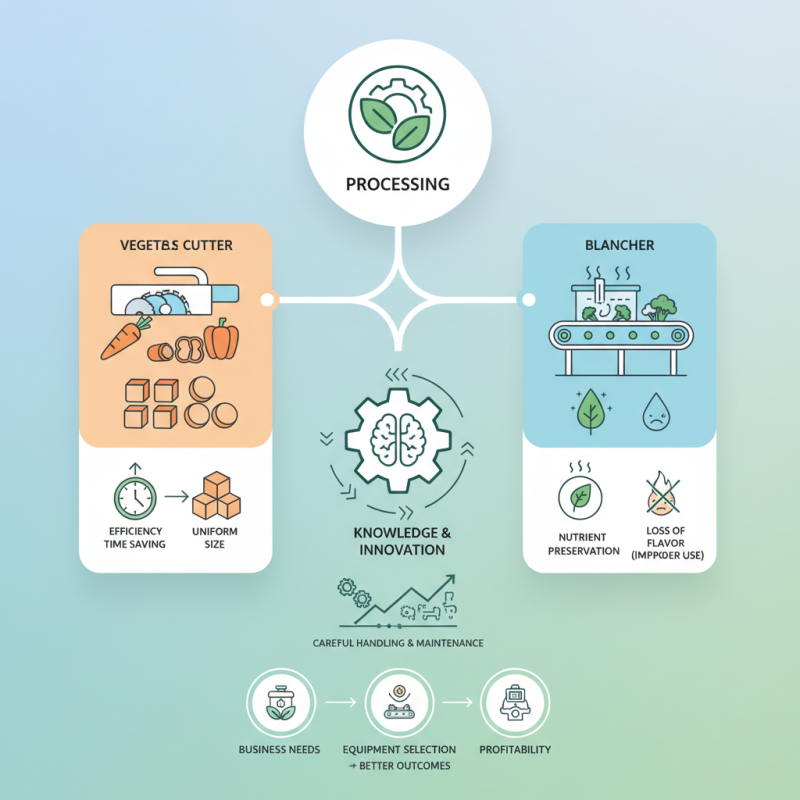
Consider a vegetable cutter. It saves time and ensures uniform sizes. A blancher, on the other hand, helps in preserving nutrients and color. However, improper usage might lead to loss of flavor. Each equipment type requires careful handling and maintenance.
Understanding the latest vegetable processing equipment is essential for businesses. With advancements, new innovations emerge. Yet, not all equipment suits every company’s needs. Reflecting on choices can lead to better outcomes and profitability.
Key Categories of Vegetable Processing Equipment
When it comes to vegetable processing, the right equipment makes a big difference. Various categories exist to meet specific needs. These include cutting machines, peeling equipment, and blanching devices. Each type plays a unique role in ensuring vegetables are prepared correctly and efficiently.
Cutting machines are essential for creating uniform pieces. They help with prepping vegetables for packaging or cooking. However, some users struggle with adjusting the settings. This can lead to inconsistent sizes. It’s a point to consider for those new to processing.
Peeling equipment can save time and labor. Some machines handle multiple vegetable types. But, they might not always peel thoroughly. This might require a second manual check. Blanching devices are also crucial. They help preserve color and nutrients but can be complex to operate. Training is key here to avoid mistakes during processing. Overall, exploring these categories can aid in finding the right fit for your processing needs.
Essential Cutting and Chopping Machines for Vegetables
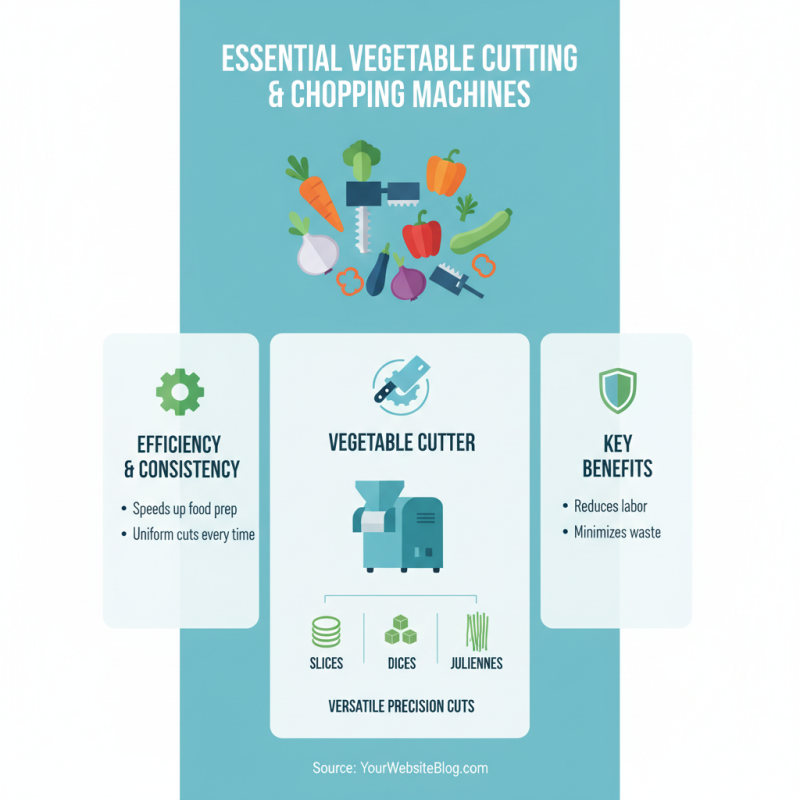
When it comes to vegetable processing, cutting and chopping machines play a vital role. These machines help ensure efficiency and consistency in food preparation. One essential type is the vegetable cutter, which can handle a variety of vegetables. It slices, dices, and juliennes with precision.
Another useful tool is the food chopper. It's compact and versatile, perfect for small kitchens. With different blade options, it can chop vegetables quickly. However, many kitchen staff overlook the importance of cleanliness. Regular maintenance is necessary to avoid unsanitary conditions. A neglected chopper can become a source of contamination.
In larger operations, the use of a conveyor belt system can speed up the chopping process. This system allows for continuous flow, reducing labor costs. However, it can pose challenges. Ensuring all pieces are uniform can be tricky. Mixing different sizes can lead to uneven cooking. Reflecting on these aspects will enhance overall efficiency in vegetable processing.
Importance of Washing and Sanitizing Equipment in Processing
Washing and sanitizing equipment play a crucial role in vegetable processing. Proper sanitation ensures food safety and protects public health. Contaminated vegetables can lead to widespread illness. That's why maintaining clean equipment is non-negotiable.
Regular inspection of washing equipment is necessary. Sometimes, the buildup of residues goes unnoticed. Operators must be vigilant about checking every nook and cranny. Additionally, they should use appropriate sanitizing agents. Not all agents are effective against all pathogens. This is an area that requires more attention and training.
Rinse water quality is also essential. Using contaminated water can reverse all efforts of sanitization. It is vital to monitor water sources regularly. Proper drainage systems should be in place. Equipment that does not drain properly can foster bacterial growth. Ensuring that everything is in good working condition reflects the commitment to safety in vegetable processing.
Top Vegetable Processing Equipment You Should Know About
| Equipment Type |
Function |
Importance of Washing & Sanitizing |
Key Features |
| Washing Machine |
Cleans vegetables to remove dirt and contaminants |
Essential for food safety and reducing microbial load |
High-pressure jets, adjustable washing cycles |
| Peeler |
Removes skin from vegetables |
Prevents cross-contamination by using sanitized surfaces |
Rotating brushes, adjustable thickness settings |
| Slicer |
Cuts vegetables into uniform pieces |
Sanitizing blades prevents contamination in processed products |
Interchangeable blades, speed control |
| Blancher |
Prepares vegetables for freezing or cooking |
Ensures pathogens are killed by using sanitized water |
Temperature control, continuous flow design |
| Dryer |
Removes moisture from washed vegetables |
Sanitizing airflow reduces mold growth during storage |
Variable air speed, energy-efficient design |
Packaging Solutions for Processed Vegetables
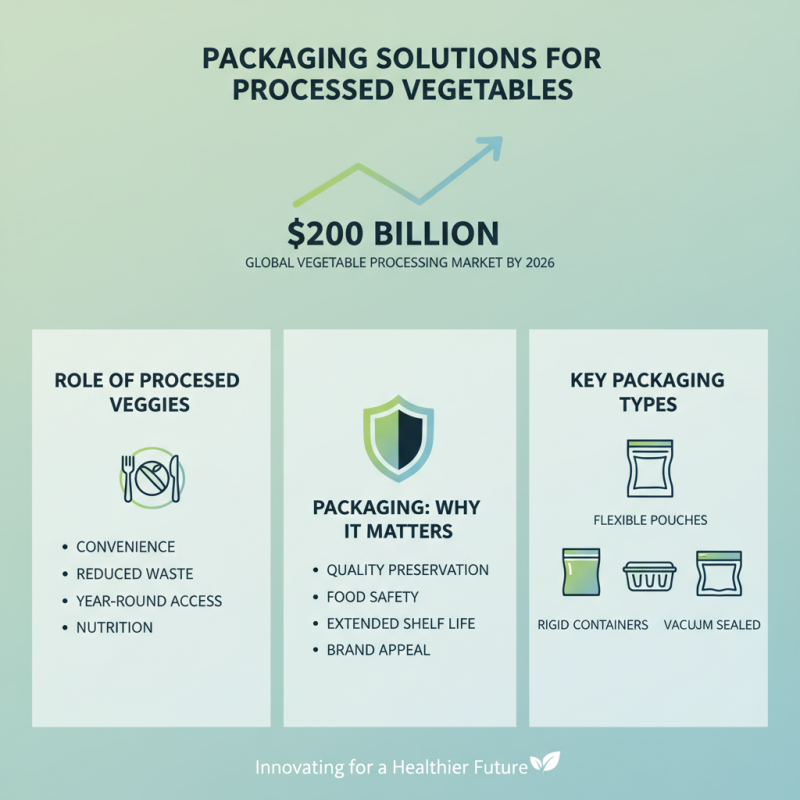
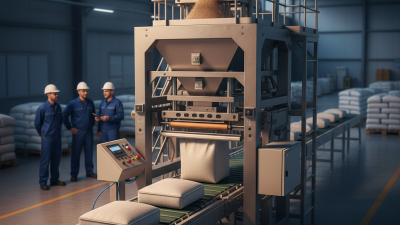
Processed vegetables play a crucial role in today's food industry. Packaging is essential for maintaining quality and safety. According to a recent report, the global vegetable processing market is expected to reach $200 billion by 2026. This growth emphasizes the importance of effective packaging solutions.
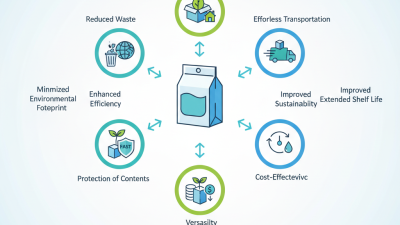
Innovative packaging methods can prolong shelf life and improve freshness. Vacuum packaging, for example, removes air from the packaging, reducing spoilage. However, many processors overlook the environmental impact of their choices. More sustainable options exist but are often underutilized. Recycling rates for packaging materials remain low, at about 30% worldwide.
Trends show consumers prefer eco-friendly packaging. A study indicates that 75% of consumers are willing to pay more for sustainable products. Yet, the industry struggles to meet this demand. Companies must reflect on their practices. Balancing cost, quality, and sustainability is a challenge. Investing in new technologies could lead to better solutions. It's crucial for the industry to adapt and improve.
Emerging Technologies in Vegetable Processing Equipment
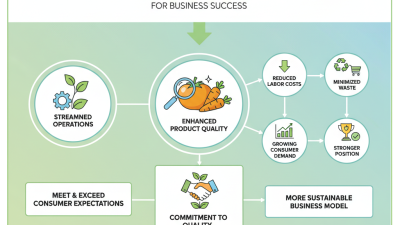
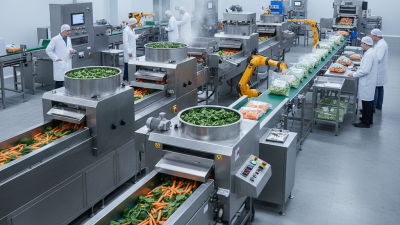
Emerging technologies are reshaping the vegetable processing industry. With the rise of automation, companies can increase efficiency and reduce labor costs. For instance, robotics can sort and package vegetables faster than human workers. A report by the Food Processing Association shows that automation can improve productivity by up to 30%. This shift is essential for meeting growing consumer demand.
Data analytics is another emerging technology. Companies are utilizing big data to track trends and optimize their supply chains. Utilizing predictive analytics helps in forecasting demand accurately. This can lead to reduced waste at processing plants, as only what is needed is produced. Insights from recent studies indicate that businesses leveraging data analytics experience a 20% increase in operational efficiency.
**Tip:** Consider investing in training programs for your workforce. Understanding new technologies is crucial for smooth transitions. Continuous education fosters a culture of innovation.
The change is not without its challenges. High initial costs can deter smaller producers from integrating these technologies. There is also a learning curve associated with new equipment. Proper support and testing are essential to minimize disruption. Ignoring these factors can lead to setbacks in production.
**Tip:** Start small with technology adoption. Test new equipment in phases. Gradual integration can ease your team's transition and improve outcomes.