What is Vegetable Processing and How to Source Efficiently?
Vegetable processing is a crucial sector in the global food industry. According to recent reports, the vegetable processing market is projected to grow at a CAGR of 4.5% from 2022 to 2027. This growth is driven by increasing consumer demand for ready-to-eat and convenience foods. Efficient vegetable processing not only enhances shelf life but also ensures higher nutritional value.
Sourcing quality raw materials is essential in this industry. Many processors struggle with inconsistent supply, affecting their production efficiency. The quest for efficiency often leads to challenges in maintaining quality and managing costs. Utilizing local suppliers can sometimes mitigate these issues. However, this approach may limit options and create supply risks.
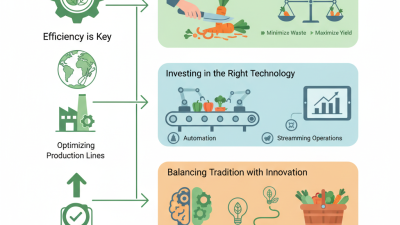
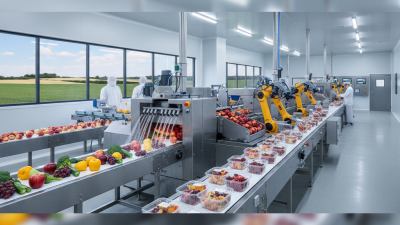
On the other hand, technology plays a significant role. Automated systems improve consistency in processing, with an emphasis on food safety regulations. Yet, more automation can lead to higher initial investments. Balancing technology and traditional methods requires careful reflection. Proper vegetable processing is a mix of art and science, demanding ongoing adjustment to meet market needs.
Understanding Vegetable Processing: Definition and Importance
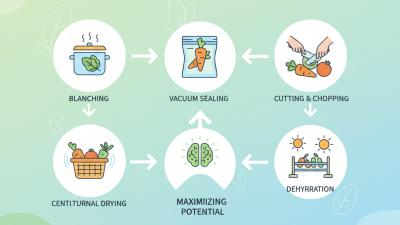
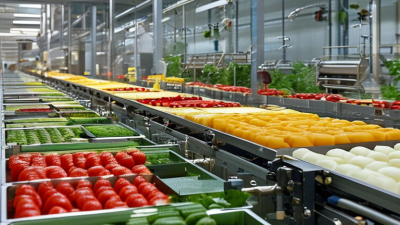
Vegetable processing is a crucial step in the food supply chain. It transforms fresh produce into products with extended shelf life. This process includes cleaning, cutting, drying, and packaging vegetables. Each step is important. Proper processing maintains nutritional value and flavor. It helps reduce food waste too. This is vital in a world where sustainability is a key concern.
Understanding vegetable processing goes beyond the technical aspects. It involves acknowledging the role it plays in food security. Efficient processes ensure a steady supply of vegetables. They enable access to various types throughout the year. However, not all processing methods are ideal. Some techniques may diminish quality or alter taste. It is essential to choose methods that respect the vegetable's natural properties.
Moreover, sourcing the right vegetables for processing is equally important. Farmers must understand market demands and sustainability practices. They should engage with processors to align their efforts. Transparency in sourcing can lead to better practices. This is an area that still requires improvement. Many farmers lack access to necessary resources and information. Addressing these gaps can enhance the entire supply chain.
Key Techniques in Vegetable Processing: Methods and Equipment
Vegetable processing is transforming raw vegetables into products for consumers. Key techniques include blanching, freezing, and dehydrating. These methods enhance flavor, preserve nutrients, and improve shelf life. Data from the Food Processing Industry Association highlights that efficient processing can reduce waste by up to 25%.
Blanching, for instance, involves briefly cooking vegetables in boiling water. This technique inactivates enzymes that cause spoilage. It is crucial for maintaining the color and texture of vegetables. Freezing is another popular method, allowing consumers to enjoy seasonal produce year-round. According to the USDA, frozen vegetables retain up to 90% of their nutrients.
Despite the benefits, some techniques might compromise flavor or texture. Not all processes suit every vegetable. Dehydrating vegetables can result in a loss of essential vitamins if not done correctly. A balance of efficiency and quality is vital for producers. It’s important to evaluate each method's effectiveness regularly, considering advancements in technology and consumer preferences.
Challenges in Vegetable Processing: Quality and Safety Concerns
In vegetable processing, quality and safety are paramount. Ensuring that vegetables are fresh and free from contaminants requires vigilant practices. Subpar handling can lead to spoilage or foodborne illnesses. This makes profit margins tight and can affect consumer trust.
Maintaining consistent quality is a challenge. Varied suppliers and seasonal changes contribute to inconsistencies in vegetable quality. Processors often face the dilemma of sourcing from multiple suppliers, which can introduce risks and variability in taste and safety. Regular audits and checks are essential, though they can be resource-intensive.
Tips: Always verify the source of your vegetables. Choose suppliers who prioritize safety and quality. Implement a stringent inspection process. Educate staff on handling protocols.
Proper storage is another crucial aspect. Vegetables must be stored at the right temperatures to preserve freshness. Neglecting storage conditions can lead to quicker spoilage and safety concerns. Regular training can help address these challenges and improve overall operations. Focus on continuous improvement. It's essential to reflect on your processes and adapt to ensure the safety and quality of your products.
What is Vegetable Processing and How to Source Efficiently? - Challenges in Vegetable Processing: Quality and Safety Concerns
| Dimension |
Details |
| Processing Method |
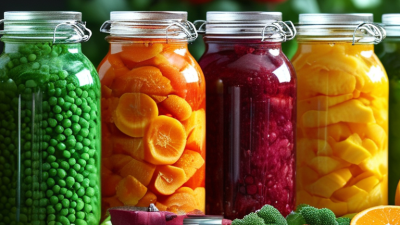
Freezing, Canning, Dehydrating, Fermenting |
| Common Vegetables Processed |
Carrots, Peas, Corn, Spinach |
| Quality Control Measures |
Visual Inspection, Laboratory Testing, Temperature Monitoring |
| Safety Concerns |
Bacterial Contamination, Chemical Residues, Allergen Management |
| Sourcing Challenges |
Supplier Reliability, Seasonality, Price Volatility |
| Sustainable Practices |
Organic Sourcing, Waste Reduction, Energy Efficiency |
| Future Trends |
Automation, Smart Packaging, Traceability Solutions |
Sourcing Raw Vegetables: Best Practices for Efficiency
Sourcing raw vegetables is crucial for any successful food processing operation. Efficient sourcing helps reduce costs and ensures quality. To achieve this, start by developing relationships with local farmers and suppliers. Building trust can lead to better prices and reliable access to fresh produce. Regular communication helps both parties stay informed about the seasonal availability of crops.
Creating a sourcing strategy that adapts to market changes is essential. Consider diversifying your sourcing locations to mitigate risks. This approach can prevent disruptions caused by weather or transportation issues. Stay updated on emerging trends and local regulations that may impact sourcing. Knowledge of these factors is vital for making informed decisions.
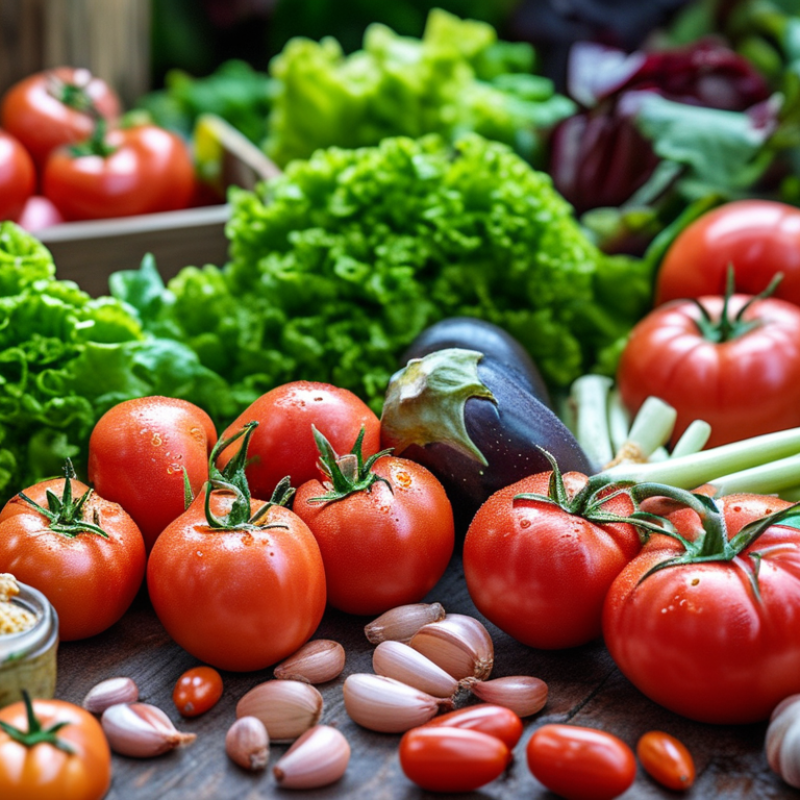
Tips: Always inspect the quality of vegetables before purchasing. Look for signs of freshness, like vibrant colors and firm textures. Inconsistent quality can lead to waste and higher costs. Maintain an organized inventory to track supplies efficiently. Slow turnover might indicate sourcing issues that warrant a review of suppliers. Regularly evaluate your sourcing practices to identify areas for improvement.
Vegetable Processing Efficiency Metrics
Evaluating Suppliers: Criteria for Choosing Reliable Sources
Evaluating suppliers in vegetable processing is crucial for operational success. The right suppliers can impact quality, pricing, and supply chain reliability. According to a report by Technavio, over 60% of food processors emphasize the importance of supplier relationships in driving efficiency. This statistic underscores the need to select suppliers who align with your operational goals.
When assessing potential suppliers, consider their production capabilities and quality control processes. Reliability is vital; a supplier’s history of on-time delivery should reflect their commitment to service. An industry analysis from MarketsandMarkets notes that 30% of processing firms reported facing challenges with supplier consistency. This highlights the importance of choosing suppliers who adhere to agro-food safety standards and provide transparency.
It can be beneficial to assess a supplier's certifications and regulatory compliance. Engage in site visits to ensure their practices meet industry benchmarks. However, some companies overlook this step. They often choose based on price, ignoring quality. Remember, low costs can sometimes mask inadequate practices. Building long-term relationships with reliable suppliers may yield better outcomes than focusing solely on immediate savings. Fostering open communication can bridge gaps and mitigate risks in your supply chain.