2026 Best BIB Filling Machine Types for Global Buyers
Choosing the right bib filling machine is no longer a simple speed comparison.
Global buyers must examine product viscosity, bag volume, filling accuracy, sealing quality, cleaning access, and local service support. A machine filling wine may not suit dairy products, edible oils, sauces, or sensitive beverages. The differences appear on the factory floor. A narrow valve can slow thick juice. A weak seal can create leaks during pallet transport. Poor changeover design can waste hours between bag sizes.
Packaging consultant John R. Henry offers a useful principle: “The best filling machine is the one that repeats quality, not merely speed.” This view deserves attention. High output looks attractive in a quotation, but unstable dosing can increase product loss, customer complaints, and maintenance costs. Sometimes, slower is wiser.
This 2026 guide compares major bib filling machine types for international purchasers. It considers automatic, semi-automatic, aseptic, hot-fill, and customized systems. Each model has practical strengths and uncomfortable limitations. Some machines need skilled technicians. Others demand strict cleaning routines or dependable compressed air. Spare parts may also take longer to arrive in remote markets.
Buyers should not trust impressive brochures alone. Ask for sample trials, seal inspection records, filling tolerance data, and references from similar applications. Confirm electrical standards, language support, installation training, and after-sales response times. These details are easy to overlook.
They matter greatly.
The most suitable machine balances hygiene, capacity, flexibility, operating cost, and long-term reliability. This balance is not identical for every country, factory, or product. A careful decision begins with real production conditions, not attractive specifications.
What Is a BIB Filling Machine and How Does It Work?
What Is a BIB Filling Machine and How Does It Work?
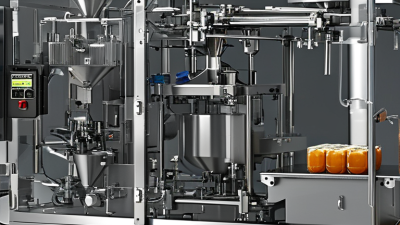
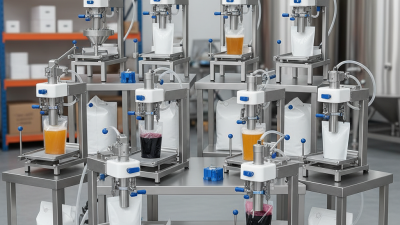
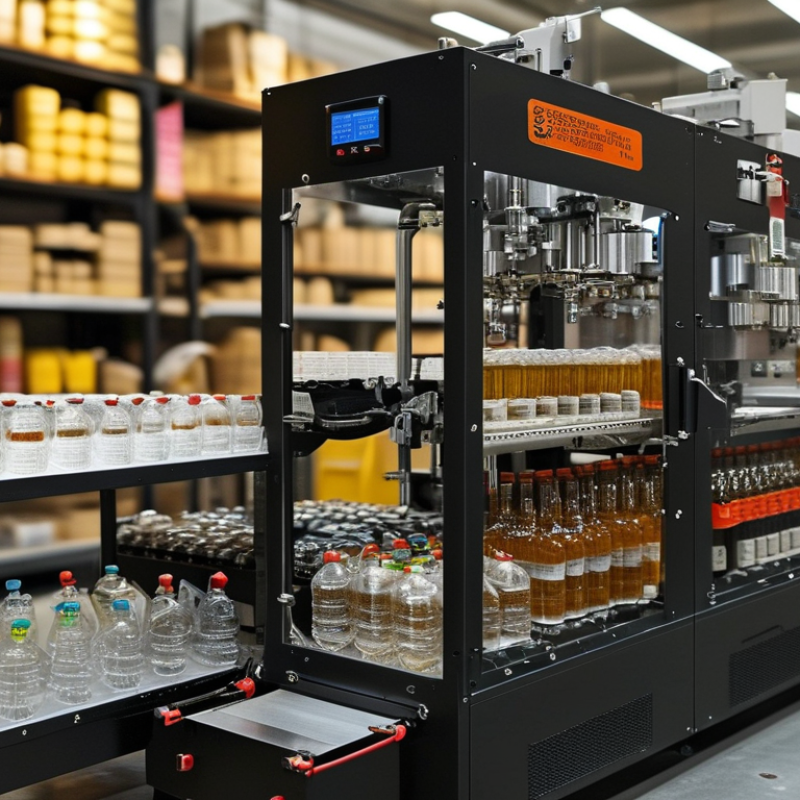
A BIB filling machine packs liquids into flexible bags placed inside protective boxes. BIB means bag-in-box. The system usually includes a bag holder, filling nozzle, product pump, sealing unit, and control panel. Operators load an empty bag with a fitment, then position it beneath the nozzle. The machine removes air, fills the bag accurately, and closes the fitment securely. This process reduces spillage and supports efficient storage.
Different machine types suit different products. Hot-fill models handle liquids filled at controlled high temperatures, while cold-fill systems protect temperature-sensitive products. Aseptic equipment requires stricter sterilization procedures and trained operators. During filling, sensors monitor volume, pressure, and bag position. Small errors can still happen. A slightly misaligned fitment may cause leakage, even when the filling volume looks correct. Regular checks of seals, hoses, and calibration are essential for reliable production.
Tips: Match the machine with product viscosity, filling temperature, bag size, and daily output. Ask for material compatibility data before purchasing. Test real bags with your product, not only water. Review cleaning access and operator safety features carefully. A machine may look advanced, but difficult maintenance can reduce its practical value. Record filling results during trials, and adjust settings gradually.
Main BIB Filling Machine Types for Different Products
Choosing a BIB filling machine starts with the product, not the carton size. For water, juice, and thin sauces, volumetric or mass-flow fillers provide accurate dosing. Flow meters also reduce direct product contact. PMMI’s 2024 State of the Industry report places U.S. packaging machinery shipments above 11 billion dollars in 2023, reflecting continued investment in automated filling systems.
Dairy products and sensitive beverages usually require hygienic cold-fill or aseptic BIB machines. Aseptic systems need sterile air, controlled sterilization, and validated holding times. They cost more and demand stronger operator training.
Hot-fill machines suit acidic juices, fruit preparations, and some sauces. Their heated product improves shelf stability, but excessive temperature can damage texture or flavor. That trade-off is often underestimated.
For ketchup, puree, and thick syrups, piston or servo-driven fillers handle high viscosity more consistently. Soups containing small particles need wider product paths and gentler valves. Otherwise, blockage becomes a daily nuisance.
Wine and oxygen-sensitive liquids benefit from low-oxygen or vacuum-assisted filling. These systems limit air entering the bag during filling and sealing.
For global buyers, electrical standards, cleaning procedures, and bag-fitment compatibility require careful checking. Smithers’ The Future of Flexible Packaging to 2028 estimates the global flexible packaging market at roughly 300 billion dollars in 2023, showing the scale of demand around flexible bags.
Yet market growth does not guarantee a suitable machine. A filler tested with water may perform poorly with pulp, foam, or dairy. Product trials remain essential, even when the specification sheet looks convincing.
Packaging, Hygiene, and Compliance Needs in Global Markets
Global buyers should match BIB filling technology with product risk, packaging structure, and destination-market requirements. Aseptic fillers suit shelf-stable beverages needing strong microbial control. Hot-fill systems work for products that tolerate controlled thermal treatment. Cold-fill options may reduce heat damage, but they demand stricter sanitation and validated storage conditions.
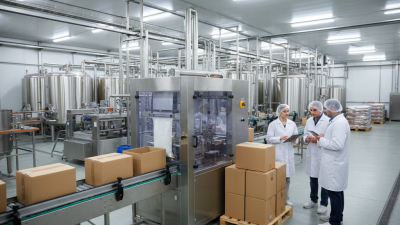
Cleanability matters. WHO reports that contaminated food causes about 600 million illnesses and 420,000 deaths annually worldwide. This makes hygienic design more than a purchasing preference. Buyers should inspect stainless-steel contact parts, hygienic welds, automated cleaning cycles, sterile air filtration, and bag-seal integrity. Codex General Principles of Food Hygiene recommends HACCP-based controls, yet documentation quality differs greatly between suppliers. A machine with impressive output can still fail a factory audit if cleaning records are incomplete.
Packaging sustainability also affects compliance decisions. UNEP’s Global Waste Management Outlook 2024 estimates global municipal waste will rise from 2.3 billion tonnes in 2023 to 3.8 billion tonnes by 2050. Lightweight BIB formats can reduce transport volume, but multilayer films may complicate recycling. Buyers should request material declarations, migration testing, traceability records, and local recycling guidance. Production trials should test real bag dimensions, filling temperatures, viscosity changes, and transport vibration. Laboratory results are useful. Factory conditions are less polite. A perfect machine choice rarely exists; some buyers still underestimate operator training, changeover time, and after-sales validation.
2026 Best BIB Filling Machine Types for Global Buyers
This comparative index rates common BIB filling technologies from 1 to 5 across packaging flexibility, hygiene control, ambient shelf-life potential, and operational simplicity. Aseptic systems are strongest for long-life products, hot-fill systems suit thermally processed beverages and foods, while clean-fill systems are generally simpler and more flexible for refrigerated applications. Actual performance depends on the product, package size, filling temperature, sterilization process, and local regulatory requirements.
How to Choose the Right BIB Filling Machine in 2026
Choosing the right BIB filling machine in 2026 starts with the product, not the machine catalogue.
Check viscosity, acidity, temperature, particle size, and oxygen sensitivity. A juice concentrate may need different filling control than a dairy base or liquid seasoning. Confirm the required bag volume, spout design, sealing method, and daily output before comparing models.
Aseptic systems suit products requiring extended shelf life, while hot-fill equipment supports controlled thermal processing.
Cold-fill machines can work well for suitable products with strict hygiene controls. Ask for measurable details: filling accuracy, changeover time, cleaning procedure, air consumption, and service access. The machine should also record production data and support traceability.
Small details matter. A narrow pipe can slow a whole line.
From practical plant evaluations, I have found that maximum speed is often overvalued. A machine rated for 2,000 bags per hour may perform poorly with frequent size changes. A slower system may deliver better uptime and less product waste. My own selection criteria would include a test using the actual product, bag, and target temperature. Do not rely only on demonstration water. That choice can be inconvenient. It can also reveal foaming, dripping, weak seals, or difficult cleaning points before installation. Review food safety documentation, operator training, spare-part availability, and local technical support. The cheapest quotation may become expensive when downtime begins.