China Top Pouch Filler Manufacturers and Suppliers?
When buyers search for China top pouch filler manufacturers and suppliers, they need more than attractive catalog photos. A reliable supplier should demonstrate engineering experience, stable production, and clear technical documentation. The right pouch filler must match the product, pouch material, filling range, and required output. Liquid sauces, powders, granules, and viscous products all require different filling systems.
This guide examines Chinese manufacturers through practical buying criteria. These include machine accuracy, sealing performance, changeover time, cleaning access, and after-sales support. Factory audits can reveal useful details, such as stainless-steel fabrication, wiring quality, spare-parts storage, and testing procedures. Ask for recorded factory acceptance tests. Request references from customers using similar packaging formats. Small details matter.
Compliance also deserves careful attention. Suppliers should provide suitable declarations, food-contact material information, electrical documentation, and support for the destination market’s requirements. Certifications alone are not enough. Their scope and validity should be checked. A supplier may present impressive specifications but offer weak installation guidance. That gap can become expensive.
The best pouch filler partner communicates clearly before receiving an order. They confirm product viscosity, pouch dimensions, filling tolerance, sealing temperature, and production environment. They should also explain limitations honestly. No machine fits every application. That is worth remembering. This article compares leading Chinese manufacturers and suppliers using evidence-based criteria, while recognizing that rankings can change with technology, service quality, and verified customer performance.
What Are Pouch Fillers and How Do They Work?
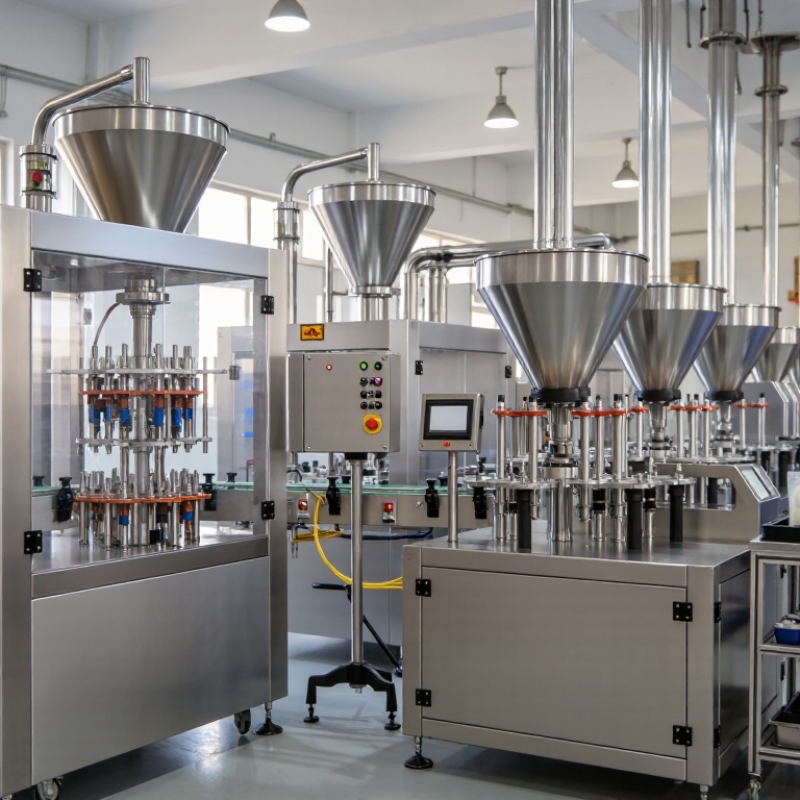
Pouch fillers are packaging machines that place measured products into flexible bags. They handle powders, granules, liquids, and small solid pieces. Their design changes with product behavior. A free-flowing grain needs different dosing equipment than a sticky sauce. A compact filler can fit beside a sealing machine.
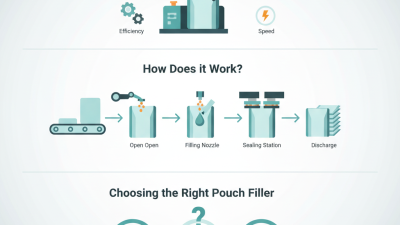
The working process follows several controlled steps. An operator loads empty pouches into a magazine or forming station. Sensors check pouch position and opening. The dosing system then releases a measured portion into each pouch. Auger screws often measure powders, while pumps handle liquids. Multi-head weighing systems suit snacks or irregular pieces. Heat-sealing jaws close the filled pouch, and a conveyor moves it forward. Sensors can reject bags with poor seals or incorrect weights.
When assessing Chinese manufacturers and suppliers, practical testing matters more than attractive specifications. I look for stable dosing, simple cleaning access, and clear adjustment controls. A reliable supplier should provide sample trials, maintenance guidance, and documented accuracy tests. Ask how the machine handles your actual pouch film and product. No filler is perfect. Powders can bridge, liquids may drip, and film can wrinkle. These small faults become expensive during long production runs. Careful testing reveals them early, although test conditions may not match every factory floor.
Key Types of Pouch Filling Machines Made in China
China’s pouch filling machine sector covers several practical machine types for food, cosmetics, chemicals, and daily-use products. Premade pouch fillers open, fill, and seal bags supplied in advance. They suit stand-up pouches, spouted bags, and irregular packaging. Operators can change pouch sizes with adjustable grippers and sealing jaws. That detail matters.
Vertical form-fill-seal machines create pouches from film rolls. They often combine auger fillers for powders, volumetric cups for granules, or piston pumps for liquids. Multihead weighers handle snacks, dried ingredients, and other free-flowing products. Horizontal pouch machines are useful for flat or shaped packs, especially when appearance matters. Some Chinese suppliers also build compact liquid fillers with heated nozzles and anti-drip valves.
Choosing the right type requires more than checking speed. Product viscosity, powder dust, pouch material, target weight, and cleaning time affect performance. A thick sauce may need a servo piston system, while fine powder requires dust control and stronger sealing pressure. Request sample testing with real product and packaging film. Testing reveals flaws.
In my experience, quoted capacity can differ from stable production speed. Film wrinkles, inconsistent pouch edges, or manual loading may reduce output. Not every line. A reliable supplier should provide clear specifications, test records, spare-part lists, and operator training. Ask how quickly the machine changes between pouch sizes. Also inspect contact parts, seal temperature controls, weighing accuracy, and emergency-stop access before purchase.
Chart note: The ranges show indicative nominal output capacities commonly associated with major pouch-filling machine categories manufactured and supplied in China. Actual performance depends on pouch size, product characteristics, dosing method, sealing configuration, and automation level.
Leading Chinese Pouch Filler Manufacturers and Suppliers
China has become a major sourcing base for pouch filler equipment. Leading Chinese pouch filler manufacturers and suppliers serve food, beverage, cosmetic, and household product producers. Their machines may handle powders, granules, liquids, or thicker sauces. The right model depends on pouch size, product flow, and filling speed.
Experienced suppliers usually begin with product testing. They request samples, pouch dimensions, target weight, and daily output. A practical test should measure filling accuracy, sealing quality, changeover time, and cleaning effort. Ask for test videos and clear technical data. Better suppliers also explain limitations instead of promising perfect results. That honesty matters.
Factory communication can be a strength, but it needs structure. Confirm drawings, electrical standards, spare parts, warranty coverage, and operator training in writing. Check whether technicians can support installation remotely or on site. Inspect welding, sensors, contact materials, and emergency controls during a factory visit. Small details matter.
No machine fits every product. Sticky materials may leave residue around the nozzle. Fine powders can create dust and unstable weights. These problems need trial runs, not attractive brochures. A reliable Chinese supplier should provide adjustment guidance and realistic production figures. Buyers should also request references from similar applications. Sometimes the lowest quotation becomes expensive after missed deliveries, replacement parts, or repeated tuning. Careful comparison takes longer, but it reduces avoidable risk.
How to Evaluate Chinese Pouch Filler Manufacturers
Choosing among China’s top pouch filler manufacturers requires more than comparing prices. A reliable supplier should explain filling accuracy, pouch compatibility, speed, and changeover time clearly. Ask for machine drawings, component specifications, and documented test results. A practical factory will welcome video inspections and sample trials. Vague answers deserve caution.
During evaluation, test your actual product in your actual pouch material. Watch for leaking seals, uneven filling, powder dust, or frequent stops. Request a factory acceptance test with written performance targets. Review quality controls, spare-parts availability, operator training, and response times after delivery. Relevant safety and compliance documents should match your destination market. A polished showroom can still hide weak production discipline.
Tips: Ask for three customer references, preferably with similar pouch sizes. Check whether software settings are traceable and easy to adjust. Confirm who pays for rejected parts and repeated testing. Do not trust promises alone. I have learned that a cheaper machine may cost more through downtime, although one short trial cannot reveal every future problem. Leave room for honest questions and measurable corrections.
Purchasing, Customization, and After-Sales Support Considerations
Choosing among China’s top pouch filler manufacturers requires more than comparing prices. A reliable supplier should explain filling accuracy, machine speed, pouch formats, and product compatibility in clear terms. Ask for test videos using your actual material, not a similar sample. Powder, granules, and viscous liquids behave differently during feeding. Request factory inspection records, component specifications, and a detailed factory acceptance test. Ask for evidence.
Customization should begin with your production conditions. Share pouch dimensions, sealing requirements, target weight, filling range, and expected daily output. Experienced engineers can recommend augers, pumps, weighers, sensors, and dust-control features. They should also explain what cannot be changed easily. A custom machine may need stronger frames, modified software, or additional inspection points. This can increase cost and delivery time. A lower quote may look attractive, but missing accessories often appear later.
After-sales support deserves equal attention. Confirm warranty coverage, spare-parts availability, remote diagnosis, installation guidance, and technician response times. Request manuals, electrical drawings, cleaning procedures, and operator training in usable English. Ask how faults are recorded and escalated. Plan for downtime. In practice, support quality can vary between sales promises and engineering reality. I have seen buyers focus heavily on output speed, then struggle with seal adjustments and replacement sensors. A dependable supplier welcomes technical questions, documents changes, and accepts performance checks before final payment.
Related Posts
-
What is a Pouch Filler and How Does it Work?
-
What is a Liquid Bag Filler and How Does it Work?
-
Top Pouch Filler Machines for Global Buyers in 2026?
-

What is Vegetable Processing and How to Source Efficiently?
-
2025 How to Choose the Best Vegetable Processing Machine for Your Needs
-
How to Choose the Right Bag in Box Filling Machine for Your Business?