China Top Fruit and Vegetable Processing Suppliers?
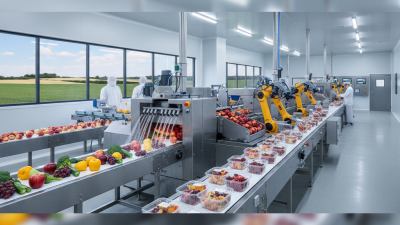
Choosing among China’s top fruit and vegetable processing suppliers requires more than comparing prices or factory photographs. Buyers need evidence of practical experience, engineering knowledge, food safety discipline, and dependable export performance. A serious supplier should explain each processing stage clearly, from washing and sorting to cutting, blanching, drying, freezing, or aseptic packing. Details matter. Stainless-steel contact surfaces, stable temperature control, hygienic drainage, and traceable batch records can reveal more than polished brochures.
Professor Carlos A. Monteiro, a leading food-system researcher, has warned, “Ultra-processed foods are not real foods.” His statement is not an argument against fruit and vegetable processing. Instead, it reminds buyers to examine how processing affects nutritional value, texture, ingredients, and consumer trust. Strong suppliers can discuss these trade-offs honestly. They should also provide test reports, certifications, equipment specifications, installation support, and references from comparable projects.
This guide examines China’s leading fruit and vegetable processing suppliers through that practical lens. It considers machinery capability, product quality, customization, automation, after-sales service, and international compliance. A supplier may offer impressive capacity yet struggle with small trial orders. Another may provide excellent equipment but limited technical support overseas. These weaknesses deserve attention.
No supplier is perfect. Even experienced manufacturers may need improvement in documentation, response times, or process flexibility. Buyers should request factory audits, sample testing, and written performance guarantees before making a decision. The best partnership is not always the cheapest. It is the one that protects product quality from the farm gate to the final package.
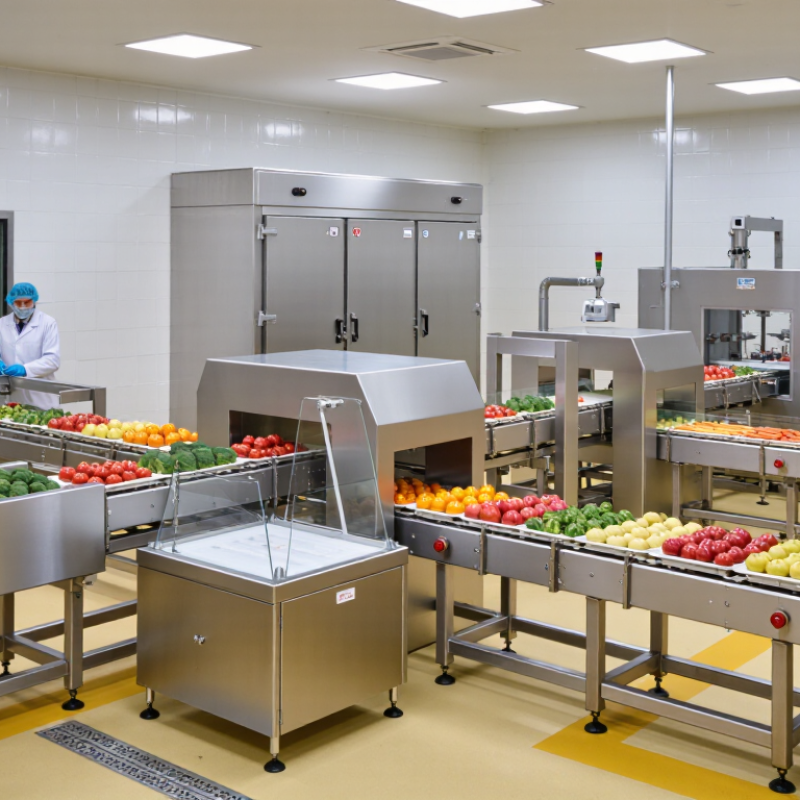
Understanding China’s Fruit and Vegetable Processing Industry
China Top Fruit and Vegetable Processing Suppliers?
China’s fruit and vegetable processing industry covers canning, freezing, drying, juicing, and pureeing. Its strength comes from broad agricultural regions and mature food-processing infrastructure. Apples, peaches, berries, mushrooms, tomatoes, garlic, and leafy vegetables are processed at different scales.
A reliable supplier should show more than attractive factory photos. Ask for product specifications, recent test reports, allergen controls, and traceability records. During an audit, check washing water, sorting tables, temperature logs, storage areas, and staff hygiene. A clean floor is useful evidence, but it is not enough. Production records reveal more.
Frozen products need stable cold-chain management from processing to loading. Dried products require careful moisture control to prevent texture loss and mold growth. Canned goods demand accurate thermal processing and seal inspection. Suppliers should explain these controls in practical terms, not vague promises. Food-safety systems and export documentation must match the destination market.
Regional sourcing can reduce transport time for seasonal crops, yet harvest quality may change each year. Weather, labor availability, and raw-material prices still affect consistency. No supplier is perfect. I would leave room for trial orders, independent testing, and corrective action reviews before signing a long-term agreement. One overlooked detail can affect an entire shipment.
Key Criteria for Identifying Top Chinese Processing Suppliers
Selecting top Chinese fruit and vegetable processing suppliers requires more than comparing prices. Experienced buyers examine raw material sources, seasonal stability, processing technology, and export records. A reliable supplier should provide traceability from farm or collection point to finished packaging. Ask for recent audit reports, food safety certifications, laboratory results, and production records. Documents should match actual factory practices.
Facility visits can reveal details that brochures often miss. Check cold storage temperatures, water treatment, hygienic zoning, pest control, and equipment maintenance. Observe how workers handle washing, cutting, blanching, drying, or freezing. Samples reveal more. Test texture, color, moisture, flavor, and microbiological safety through an independent laboratory when possible. Capacity also matters, but stated output may not reflect peak-season performance.
Strong suppliers communicate clearly about specifications, tolerances, packaging materials, minimum order quantities, and delivery schedules. They should explain how rejected batches are managed and how complaints are investigated. Request a small trial order before signing a large contract. Numbers need context. A low quotation may exclude testing, storage, or proper packaging. No supplier is perfect. Even an experienced sourcing team can overlook harvest variation or delayed documentation, so build inspection points into the purchasing process and review performance after every shipment.
Leading Supplier Categories and Processing Capabilities
China’s top fruit and vegetable processing suppliers usually fall into five categories: IQF freezing, canning, dehydration, purees, and juice concentrates. Each category serves a different buyer need. IQF plants preserve diced mango, berries, peas, and mixed vegetables with rapid freezing. Canning facilities focus on shelf stability. Dehydration suppliers produce flakes, powders, and dried slices for soups, snacks, and seasoning blends.
Processing capability matters more than a polished catalog. Buyers should verify washing systems, optical sorting, metal detection, cold-chain storage, and laboratory testing. For puree and concentrate projects, aseptic filling, Brix control, acidity testing, and traceability are essential. The FAO Food Loss Index reported that 13.2% of food was lost globally before retail in 2022. Better grading and processing can reduce waste, although factory efficiency alone cannot solve poor farm logistics.
Supplier audits should examine seasonal sourcing, pesticide-control records, batch coding, and wastewater management. The UNEP Food Waste Index Report 2024 estimated 1.05 billion tonnes of food waste in 2022. That figure gives processing suppliers a practical responsibility: convert uneven harvests into stable ingredients without hiding quality defects. A low price can be misleading. Ask for recent test reports, production photographs, sample batches, and corrective-action records. No supplier is perfect. Some facilities have strong machinery but weak documentation, while others communicate well but lack flexible packaging lines. This is where careful verification matters.
Quality Standards, Certifications, and Food Safety Practices
China’s top fruit and vegetable processing suppliers should be judged by controls, not catalog size. A reliable factory can show traceability from farm lot to finished carton. It should also provide documented supplier approval, pesticide residue testing, allergen control, and sanitation records. The World Health Organization estimates that contaminated food causes 600 million illnesses and 420,000 deaths annually. Food safety cannot remain a paperwork exercise.
Look for compliance with China’s GB food standards, HACCP principles, and ISO 22000-based food safety systems. Export-oriented facilities may also follow certification schemes recognized by the Global Food Safety Initiative. Independent audits, calibrated thermometers, metal detection, and microbiological testing add practical evidence. Cold-chain records should show real temperatures, not only signed forms. Fresh-cut products need strict control of washing water, worker hygiene, and processing time. Small gaps matter.
The Food and Agriculture Organization reports that about 13.2% of food is lost between harvest and retail worldwide. Strong suppliers reduce this risk through rapid cooling, suitable packaging, and controlled storage humidity. Ask for recent audit findings, corrective-action reports, and sample certificates. A certificate can expire. A clean factory can still miss a weak batch. Buyers should inspect facilities when possible and verify laboratory results independently. That extra step is inconvenient, but supplier claims deserve testing.
How to Evaluate and Select a Reliable Processing Supplier
Selecting a reliable fruit and vegetable processing supplier in China requires evidence, not polished brochures.
FAO reported that 13.2% of global food production was lost before retail in 2021. This makes yield control, cold-chain handling, and waste records important purchasing evidence.
Request HACCP plans, ISO 22000 certification, recent laboratory results, and traceability records.
Check whether each batch links to a farm, production line, and shipment date. During a factory audit, inspect washing water, cutting surfaces, temperature displays, and storage doors. A clean floor is not enough. Ask for corrective-action reports, not only certificates. Codex food hygiene principles also support documented hazard controls and verification.
Supplier capacity should match your real order pattern.
Review three months of production records, seasonal sourcing plans, and backup arrangements. Confirm pesticide testing against the destination market’s limits. Ask how frozen, canned, dried, or pureed products maintain specifications after transport. FAO’s food-loss data shows why small process failures can become costly quickly. Still, reports can hide weaknesses. I would repeat the audit after a rejected sample or delayed shipment. Reliability is proven under pressure, not during a showroom visit. A useful trial order should measure yield, color, texture, packaging strength, delivery accuracy, and response time. Leave room for doubt. Even experienced buyers can overvalue low prices and underestimate inconsistency.