
Why Choose a Fruit Mill for Global Food Production?
Global food production demands equipment that can handle changing crops, climates, and processing volumes. A fruit mill can support this work by converting apples, berries, mangoes, and other produce into consistent pulp, puree, or juice bases. Its value becomes clear on a busy processing line, where stainless-steel surfaces, controlled feeding, and steady separation help reduce avoidable waste.
Consistency matters.
When fruit arrives soft, bruised, or unevenly ripe, the machine must still protect product quality. Experienced operators understand that performance depends on more than motor power. Screen design, rotor speed, cleaning routines, and fruit preparation all influence the final texture. A well-selected fruit mill may improve throughput while supporting hygienic production and more predictable batches. It can also help processors use seasonal harvests before quality declines.
However, no machine solves every production challenge. A mill designed for firm apples may perform differently with fibrous pineapple or delicate berries. Buyers should examine capacity, product contact materials, maintenance access, energy use, and compatibility with existing equipment. Food engineers and plant managers can provide valuable guidance through trials and documented operating data. Small tests often reveal problems that brochures overlook.
That lesson is easy to miss.
Reliable global production requires practical decisions, not impressive specifications alone. Operators should verify cleaning procedures, replacement-part availability, and supplier support before investment. With careful evaluation, a fruit mill can become a dependable link between harvested produce and safe, market-ready food. Its strongest contribution may be simple: better control, less unnecessary loss, and a process that can be repeated with confidence.
What Is a Fruit Mill and How Does It Work?
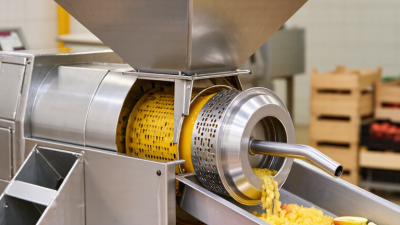
A fruit mill is a processing machine that turns whole or prepared fruit into pulp, juice, or sauce. It usually includes a feeding hopper, rotating paddles, a perforated screen, and a controlled outlet. Workers load washed fruit into the hopper. The rotor then crushes and rubs the fruit against the screen. Soft pulp passes through the holes. Seeds, skins, and tougher fibers remain separate.
The process sounds simple. It is not magic. Screen size, rotor speed, fruit maturity, and temperature strongly affect the result. A ripe peach may produce smooth pulp quickly, while firm guava can leave more fiber behind. In many facilities, operators adjust the mill during production, using visual checks and laboratory measurements for texture, acidity, and yield. This practical control supports safer and more consistent food production.
The Food and Agriculture Organization reported that 13.2% of food was lost between harvest and retail in 2021. Fruit mills can help processors recover usable pulp from unevenly shaped or overripe fruit, although they cannot solve every loss problem. The United Nations Environment Programme estimated 1.05 billion tonnes of food waste in 2022. Efficient milling may reduce some processing waste when paired with cold storage, hygienic handling, and suitable packaging. Poor cleaning changes the picture. Residue can build inside screens and create quality risks, so sanitation schedules must be treated as part of the machine’s operation, not an afterthought.
Which Fruits and Food Products Can a Fruit Mill Process?
A fruit mill can process far more than apples for juice. With the right screen and rotor, it handles berries, pears, peaches, plums, apricots, mangoes, guava, papaya, and tomatoes. It can also process pumpkin and other soft vegetables. The machine separates usable pulp from skins, seeds, and pits, creating a smoother feedstock for juice, puree, nectar, sauce, jam, fillings, and baby food.
Texture matters. A coarse screen may suit tomato sauce, while a finer screen supports mango puree or berry preparations. Operators must control fruit maturity, feed rate, temperature, and oxidation. Overripe fruit can produce excessive liquid and unstable texture. Hard pits can damage internal parts if pre-sorting is careless. Small details matter.
FAO’s The State of Food and Agriculture 2019 estimated that 14% of global food was lost between harvest and retail. Fruits and vegetables face particularly high handling risks because they bruise and deteriorate quickly. The UN Environment Programme’s Food Waste Index Report 2024 also estimated 1.05 billion tonnes of food waste in 2022. A fruit mill can help recover value from visually imperfect produce, but it is not magic. Poor sanitation, weak cold storage, or unsuitable screens still reduce safety and yield. That assumption deserves reconsideration. Processing trials remain essential before large-scale installation.
How Does Fruit Milling Improve Production Efficiency?
Fruit milling can make large-scale food production faster, more consistent, and easier to control. A well-adjusted mill separates pulp, juice, skins, seeds, and fibers in a steady flow. This reduces manual handling between washing and filling.
Production teams can process more fruit per hour with fewer interruptions. The machine’s feed rate should match the crusher, pump, and filling line. If the mill runs too quickly, screens may clog and pulp quality can change. If it runs too slowly, valuable capacity is lost. Small adjustments matter.
Clean separation improves product consistency. Pulp for beverages can remain smooth, while thicker fruit preparations can retain more natural fiber. Operators should monitor temperature, texture, and yield during each batch. Warm fruit may release juice more easily, but excessive heat can affect color and flavor. Careful sanitation also protects product reliability, especially around seals, screens, and collection points.
Not every setting works perfectly. Fruit size, ripeness, and variety can change daily. Experienced operators record these differences instead of trusting one fixed formula. A short test run often reveals problems before full production begins. That simple step can prevent waste, although it requires time and discipline. Regular inspection is still necessary. A fruit mill improves efficiency, but it does not replace skilled judgment.
Why Choose a Fruit Mill for Global Food Production?
How Does Fruit Milling Improve Production Efficiency?
Fruit milling separates edible pulp from seeds, skins, and fibrous material in a continuous process. The representative recovery percentages shown here reflect common industrial processing ranges and vary with fruit variety, ripeness, screen size, and equipment settings. Higher pulp recovery can reduce raw-material waste and improve production efficiency.
What Factors Matter When Choosing a Fruit Mill?
Why Choose a Fruit Mill for Global Food Production?
Choosing a fruit mill is not simply about buying the largest machine. The right equipment must match the fruit, factory scale, and local working conditions. Soft mangoes, fibrous pineapples, and firm apples require different cutting and pulping methods. In practical plant assessments, a small trial with the actual harvest often reveals more than a sales brochure.
Capacity should reflect peak harvests, not average daily volume. An oversized mill may increase energy use and leave valuable equipment idle. A smaller unit may create long queues during a short harvest season. Check recovery rates, screen design, and pulp consistency. Food-contact parts should resist corrosion and support thorough cleaning. Smooth surfaces help reduce residue around seals and joints.
Water use also deserves attention, especially in regions with limited supply. Some calculations are easily overlooked.
Maintenance can determine whether production remains reliable after several seasons. Ask about spare parts, training, inspection access, and service response times.
Simple controls may suit a remote facility better than complex automation. Safety guards, emergency stops, and clear operating instructions are essential.
I would also review noise, power stability, and available technical skills. A lower purchase price can become expensive when repairs are frequent.
No selection is perfect. Careful testing and honest review of local conditions usually lead to the sounder decision.
How Do Fruit Mills Support Global Food Production?
Fruit mills support global food production by turning whole fruit into consistent pulp, juice, or puree. Their rotating blades and screens separate edible material from seeds, skins, and fibers. This process helps farms use more of each harvest. It also gives processors a steadier raw material for beverages, sauces, baby food, and frozen products.
In practical operations, a fruit mill can reduce manual handling near the receiving area. Workers can inspect crates, wash the fruit, and feed it into the machine under controlled conditions. Stainless steel contact surfaces support hygienic cleaning routines. Adjustable screens also help manage different fruit textures. Soft peaches and firm apples rarely behave the same way. Production settings must change.
Reliable results still require trained operators. Poorly cleaned equipment may affect flavor, safety, and shelf life. Excessive speed can increase foam or damage useful pulp. I have found that simple records matter, including fruit temperature, batch weight, and cleaning time. They reveal problems that a machine display may miss. No mill solves every supply challenge. Power interruptions, uneven ripeness, and transport delays still affect output. Better equipment can improve resilience, but careful judgment remains essential.
Why Choose a Fruit Mill for Global Food Production? - How Do Fruit Mills Support Global Food Production?
| Fruit or Raw Material | Typical Mill Output | Indicative Pulp or Juice Recovery | Common Food Applications | Contribution to Global Food Production | Key Processing Consideration |
|---|---|---|---|---|---|
| Apples | Smooth purée, sauce base, or juice mash | 70–85% | Applesauce, baby food, fillings, juice, cider | Converts fresh and cosmetically imperfect apples into shelf-stable and portion-controlled foods. | Seed, stem, and peel separation must be controlled to maintain product texture and safety. |
| Mangoes | Fibrous fruit pulp with reduced seed and skin content | 55–75% | Nectar, purée, concentrates, sauces, frozen desserts | Extends the processing season and enables mango pulp to be transported and used internationally. | Fiber level, ripeness, and stone removal strongly affect yield and product consistency. |
| Tomatoes | Seed-reduced pulp or refined tomato base | 80–95% | Passata, sauces, soups, purée, tomato paste | Supports large-volume production of sauces and preserved tomato products throughout the year. | Screen size and rotor settings influence seed removal, viscosity, and final solids content. |
| Berries | Seed-adjusted purée, juice base, or fruit sauce | 75–90% | Yogurt preparations, beverages, jams, desserts, fillings | Improves the utilization of highly perishable fruit and creates stable ingredients for global distribution. | Gentle handling helps preserve color, flavor, and nutritional quality while limiting oxidation. |
| Peaches and Apricots | Smooth stone-fruit purée | 75–90% | Nectars, baby food, fillings, desserts, preserves | Makes seasonal stone fruit available as standardized ingredients beyond the harvest period. | Stone removal must be reliable; excessive crushing can increase bitterness and wear. |
| Guavas | Fine pulp with controlled seed content | 70–85% | Nectars, beverages, jams, confectionery, purée | Transforms locally grown fruit into transportable ingredients for beverage and processed-food industries. | Small, hard seeds require suitable screens and regular inspection of separation efficiency. |
| Citrus Fruits | Juice-bearing fraction, pulp, and recoverable by-products | 35–55% juice yield | Juices, beverage bases, marmalades, flavor ingredients | Separates usable juice and pulp while allowing peel and seed streams to be handled independently. | Excessive pressure can release bitter compounds from peel and internal membranes. |
Small and medium fruit mills commonly process approximately 0.5–10 tonnes of raw material per hour, depending on fruit type and equipment configuration.
Interchangeable screens, often about 0.5–2.0 mm, help adjust pulp fineness, seed removal, and product texture.
Milling recovers edible pulp from irregular, soft, or surplus fruit that may otherwise be difficult to sell as fresh produce.
Stainless-steel contact surfaces, cleanable designs, and controlled processing conditions support repeatable food quality.
Note: Recovery figures and capacity ranges are indicative values based on common fruit-processing practice. Actual results vary with cultivar, ripeness, raw-material quality, pre-treatment, screen size, temperature, and machine configuration.
Related Posts
-
What Is a Fruit Mill and How Does It Work?
-
2026 Best Juice Pasteurizer Machine for Quality Assurance?
-
Top Fruit Processing Equipment Trends to Watch in 2025
-
Top 10 Benefits of Using a Fruit Washing Machine for Healthy Eating
-
What is a Box Filling Machine and How Does It Work?
-
How to Choose the Right Bag in Box Filling Machine for Your Business?