What Is the Fruit Processing Industry?
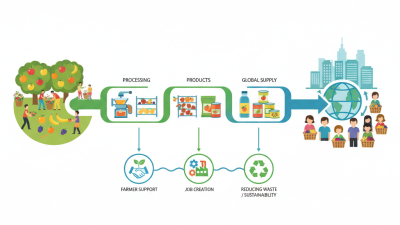
Fruit processing turns fresh produce into safe, practical foods while protecting as much of its original quality as possible. It includes washing, sorting, peeling, cutting, pulping, freezing, drying, canning, and juicing. A ripe peach may become purée; apples can be sliced and dried, while berries are often frozen soon after harvest. These steps connect farms with retailers, manufacturers, and households. They also help manage seasonal supply and reduce losses when fruit is abundant.
Food scientist Diane M. Barrett, whose research at the University of California, Davis, examines fruit and vegetable quality, offers a useful perspective. In paraphrase, her work highlights the challenge of preserving a food’s nutritional and sensory qualities while making it safe and convenient. That balance is central to the fruit processing industry. Heat can control harmful microorganisms, for example, but may also soften fruit or change its color. Freezing can retain much of its freshness, yet storage and transport still matter.
The industry is not just machinery. It relies on careful handling, suitable processing choices, quality checks, and clear product information. A bruised apple tells a story. So does a faded juice. Processing can create value, but it cannot make every choice perfect; energy use, packaging, and nutrient changes deserve attention. Understanding these trade-offs makes the topic more useful than a simple list of products. This outline explores the industry’s main processes, products, benefits, and practical challenges.
Definition and Scope of the Fruit Processing Industry
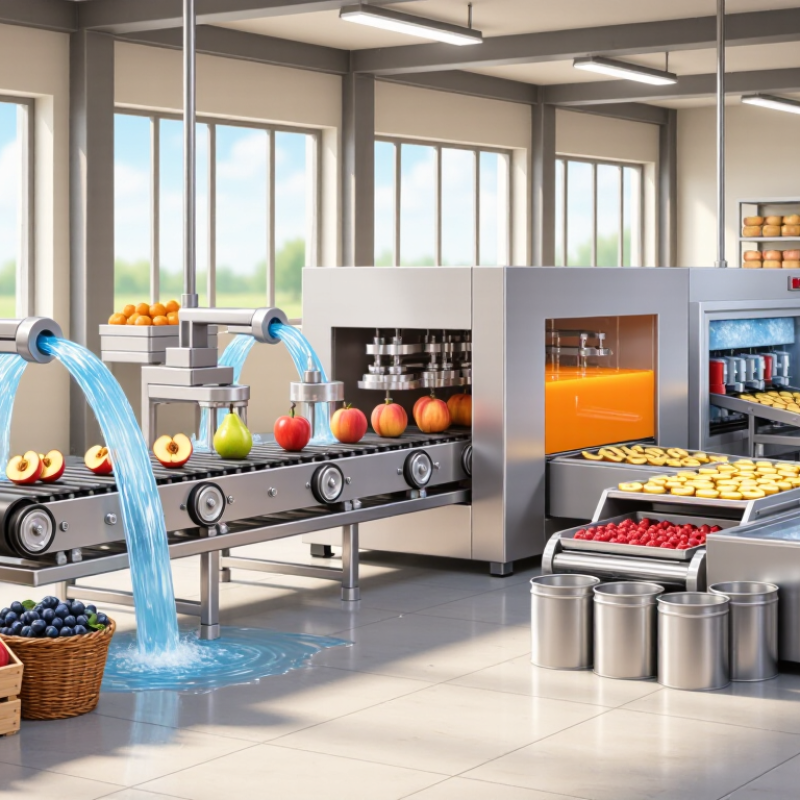
The fruit processing industry turns harvested fruit into foods that are safer to handle, easier to store, or ready to use. Its scope includes receiving, grading, washing, cutting, crushing, pressing, and preserving fruit. Products range from juice and puree to frozen pieces, dried fruit, canned fruit, and ingredients for other foods.
Processing begins with practical decisions. Workers may separate bruised peaches from firm ones, then wash and sort the usable fruit. Depending on the product, fruit is peeled, sliced, pulped, or pressed before heating, freezing, or drying. Temperature, acidity, sugar levels, and sanitation all affect quality. Small changes can alter flavor and texture.
The industry also includes packaging, storage, and quality checks, since a well-made puree can still spoil if handled poorly. Some facilities process fruit grown nearby; others receive fruit from multiple regions. The boundary is not perfectly neat. It gets blurry.
Farming usually sits outside the core definition, but harvest timing and transport conditions strongly shape what processors can make. Processing is more than machinery; it is a chain of choices, and not every choice improves the fruit.
Raw Fruits and Supply Chain Requirements
What Is the Fruit Processing Industry?
Raw Fruits and Supply Chain Requirements
Fruit processing begins before fruit reaches a washing line. A reliable supply depends on harvest timing, careful handling, and clear communication among growers, carriers, and processors. Each delivery should arrive with basic records, including variety, harvest date, lot reference, and details relevant to processing.
Quality is not simply appearance. A firm apple may suit slicing, while softer fruit may work better in puree, depending on the product and equipment. Bruises, cracked skins, and excess heat can speed deterioration. At intake, workers may check firmness, color, soluble solids, and visible damage. Temperature needs differ by fruit, so receiving plans should match the crop rather than follow one generic rule. Keep loads shaded and move them promptly. Small delays matter.
Supply chains also need practical buffers. Rain can disrupt picking, trucks may arrive late, and fruit from one orchard may vary in size. These are ordinary problems, not exceptions. Processors can reduce surprises through agreed grade specifications, forecast updates, and backup suppliers. Clean crates, sensible stacking, and documented lot separation help protect quality and traceability. There is no perfect system. Some fruit will still arrive below specification, and teams need a documented decision: sort, redirect, or reject. Making that call consistently can be difficult during a busy harvest.
Core Processing Methods and Production Stages
What Is the Fruit Processing Industry?
Core Processing Methods and Production Stages
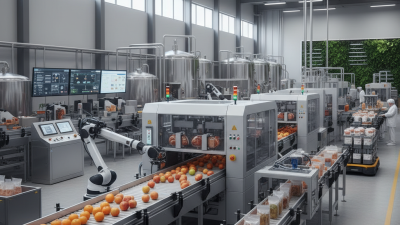
Fruit processing turns fresh harvests into products that are safer to handle, easier to store, and ready for use. The line usually begins with receiving and inspection. Workers check ripeness, bruising, decay, and temperature before washing and sorting fruit by size or quality. Peeling, pitting, and cutting follow when the product requires them. Small details matter. A split peach can affect a whole batch.
Processors then choose methods suited to the fruit and intended product. Common options include pulping, juicing, freezing, drying, and heat treatment for canned products. These steps can change texture and flavor, so time and temperature need close control. The FAO’s 2019 State of Food and Agriculture report estimated that 14% of food is lost between harvest and retail. Its 2011 Global Food Losses and Food Waste study estimated losses or waste of about 45% for fruits and vegetables worldwide. These figures cover supply-chain stages beyond factory processing, but they underline why careful handling matters. After processing, products are packed, labeled, and checked for quality. Not every batch behaves alike. Sorting decisions and processing settings still need review when fruit arrives unusually ripe or uneven.
What Is the Fruit Processing Industry?
Core Processing Methods and Production Stages
Fruit processing turns fresh fruit into products such as juice, canned fruit, purée, and dried fruit. This chart shows a typical sequence of stages, not processing time or production volume. Steps vary by fruit and product; for example, peeling, pulping, or heat treatment may be added or omitted.
Major Processed Fruit Products and Their Uses
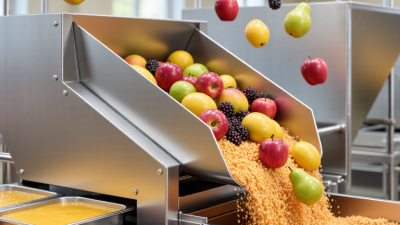
Processed fruit takes several forms, each suited to different kitchens and supply chains. Juice and concentrate go into drinks, sauces, and baked goods; concentration reduces water and makes transport easier. Canned peaches, pears, and pineapple offer soft, ready-to-use pieces for desserts and food service. Frozen berries and mango retain distinct shapes for smoothies, fillings, and toppings. Dried fruit, such as raisins and apricots, adds sweetness and chew to cereals and snack mixes. Texture matters.
The scale is substantial: FAOSTAT recorded more than 900 million tonnes of fruit production worldwide in 2022. That figure includes fruit not destined for factories, but it shows the broad raw-material base behind processing. USDA Economic Research Service food-availability data tracks fruit across fresh, canned, frozen, dried, and juice categories, reflecting how processing changes what consumers can buy and use. Purées are another practical format, supplying smooth fruit bases for yogurt, bakery fillings, and sauces. Processing can also redirect ripe fruit that may be difficult to sell fresh. Still, heat, cutting, or drying can change flavor and texture; not every product tastes like fresh fruit. That trade-off deserves more attention on menus and labels.
Industry Standards, Safety, and Environmental Considerations
What Is the Fruit Processing Industry?
Industry Standards, Safety, and Environmental Considerations
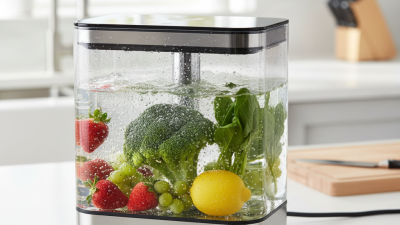
The fruit processing industry turns fresh produce into juices, purées, dried pieces, canned foods, and frozen ingredients. Its work begins with careful receiving and sorting. Inspectors check ripeness, bruising, foreign materials, and temperature. Processing facilities should follow documented hygiene procedures and recognized food safety systems. Clean water, sanitized equipment, and traceable records support reliable production. A clean checklist does not always guarantee clean habits.
Worker safety matters at every stage. Cutting machines need guards, emergency stops, and regular maintenance. Floors should remain dry, especially near washing stations. Staff require suitable protective clothing and practical training. Testing should cover microbial risks, allergens, chemical residues, and storage conditions. Records must be accurate enough for investigators to follow one batch backward. Small mistakes can spread quickly.
Tips: Keep raw and processed fruit separate. Check temperatures with calibrated tools. Label every container clearly. Reduce water use through controlled washing cycles, but never weaken sanitation. Reuse safe organic waste for animal feed, compost, or approved industrial uses. Packaging choices also deserve scrutiny. Lightweight materials may reduce transport emissions, yet poor durability can create more waste. Energy monitoring helps identify refrigeration losses. These measures are useful, but facilities should review them honestly. Improvements may look impressive on paper and still fail during a busy harvest.