

Why Choose a Fruit Washing Machine for Global Buyers?
For global buyers, a fruit washing machine is more than a piece of processing equipment. It can influence product safety, labor efficiency, water use, and final presentation. In a busy packing facility, workers may handle thousands of apples, citrus fruits, or mangoes each hour. Manual washing often creates uneven pressure and inconsistent cleaning results. A well-designed machine offers controlled water flow, adjustable brushes, and a steady conveying speed. These features help remove soil, dust, and surface residues before grading or packing. However, performance depends on fruit type, production volume, and local operating conditions. One model cannot fit every facility.
Practical experience shows that buyers should examine the complete process, not only the machine price. Stainless steel construction, accessible spray nozzles, drainage design, and simple maintenance can affect daily reliability. Suppliers should provide clear capacity data, cleaning instructions, spare-parts information, and testing records. Demonstrations using similar fruit are especially valuable. A machine that performs well with firm apples may damage soft peaches. That difference matters. Energy consumption and water recycling options also deserve careful review. They may reduce operating costs, but only when sanitation controls remain effective. Buyers should verify specifications with qualified engineers and consider applicable food-processing requirements in their markets. No machine solves every problem. Careful testing does. This guide explores why a fruit washing machine may support consistent quality, stronger workflow control, and more dependable global fruit processing. It also considers limitations, because honest evaluation builds better purchasing decisions.
What Is a Fruit Washing Machine?
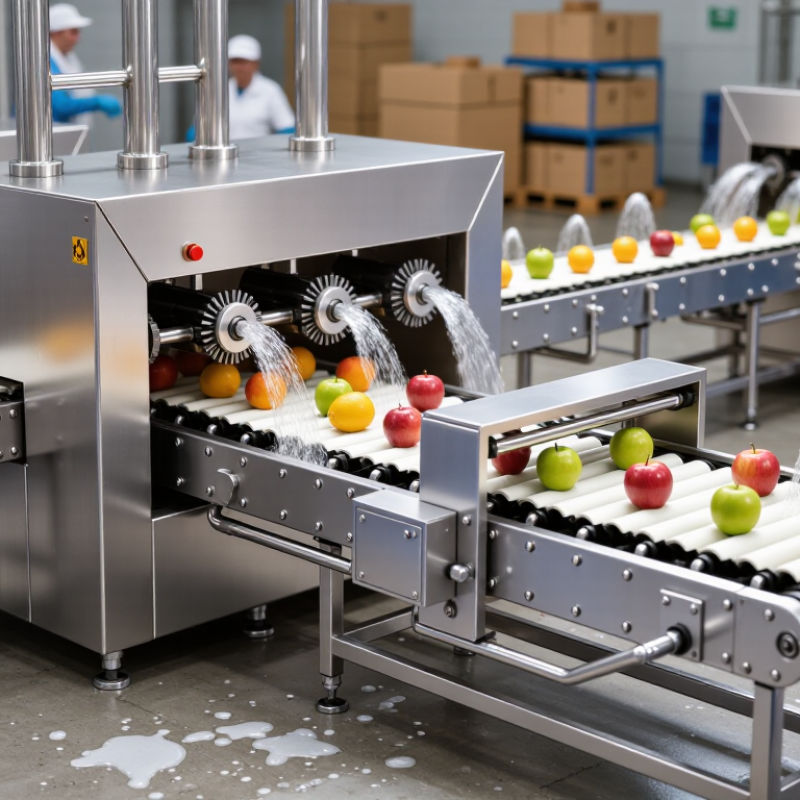
A fruit washing machine is industrial equipment that cleans fresh produce before grading, packing, or processing. It usually combines water sprays, rotating brushes, air bubbles, or soft rollers. Each method serves a different surface. Apples may tolerate gentle brushing, while berries need minimal contact. The machine can also include conveyors, water tanks, filters, and adjustable speed controls. In practical use, operators remove leaves and soil first. Otherwise, the wash water becomes dirty too quickly.
The need is measurable. The FAO reported that 13.2% of food was lost globally between harvest and retail in 2021. Better washing cannot prevent every loss, but it can support cleaner handling and more consistent packing. The World Health Organization estimates that contaminated food causes about 600 million illnesses annually. A washing system is only one control point. Water quality, cleaning schedules, contact time, and worker training still matter. The machine is not magic.
For global buyers, design details deserve close inspection. Ask whether the system matches the fruit’s size, skin strength, and daily throughput. Check whether stainless-steel contact parts are easy to drain and inspect. Recirculated water may reduce consumption, but it requires filtration and monitoring. That assumption needs testing. Buyers should request performance records, sanitation procedures, and measured water use rather than accepting broad claims. A small trial with bruising checks can reveal more than a polished brochure. Reports from the FAO and WHO provide useful context, yet each facility must validate results under its own operating conditions.
| Data Dimension | What a Fruit Washing Machine Is | Typical Technical or Operational Information | Why It Matters to Global Buyers |
|---|---|---|---|
| Basic Definition | A fruit washing machine is food-processing equipment designed to remove soil, dust, plant residues, and other surface contaminants from fruits before sorting, packing, cutting, or further processing. | Machines may use water sprays, immersion tanks, rotating brushes, soft rollers, air bubbles, or a combination of these methods. | It provides a more consistent cleaning process than manual washing and can be integrated into commercial fruit-processing lines. |
| Suitable Fruit Types | Common applications include apples, pears, citrus fruit, tomatoes, stone fruit, melons, potatoes, and other produce with a suitable surface strength. | Soft fruits require gentle water flow, soft-contact components, and controlled conveying speeds to reduce bruising. | Buyers should select the washing method according to fruit variety, size, ripeness, skin strength, and intended final product. |
| Cleaning Methods | The cleaning action can be based on spraying, soaking, brushing, bubbling, tumbling, or a combination of several methods. | Spray systems are suitable for surface rinsing; brush systems provide additional mechanical cleaning; air-bubble systems help agitate produce in water. | Matching the method to the fruit helps balance cleaning performance, product protection, water use, and operating cost. |
| Typical Processing Capacity | Capacity refers to the quantity of produce processed during a specified period, usually measured in kilograms or tonnes per hour. | Small and medium commercial units commonly process approximately 500–3,000 kg/h, while larger customized lines may process several tonnes per hour. Actual capacity depends on fruit type and cleaning requirements. | Capacity should be selected according to harvest volume, seasonal peaks, available labor, and the required production speed. |
| Water Management | Water is used to loosen and carry away surface contaminants during washing and rinsing. | Recirculation tanks, filtration, overflow control, spray nozzles, and separate final-rinse sections can help manage water use. Water quality and replacement schedules must be controlled. | Efficient water management can reduce operating costs and support compliance with local environmental and food-safety requirements. |
| Food-Safety Considerations | Washing can reduce visible dirt and some surface contamination, but it does not automatically make fruit sterile or eliminate every food-safety hazard. | Food-contact surfaces should be cleanable and corrosion-resistant. Sanitation procedures, water-quality monitoring, and hygienic handling after washing remain necessary. | Buyers should evaluate the machine together with their hazard-control plan, local regulations, and the requirements of their target market. |
| Product Protection | A suitable washing machine cleans fruit while minimizing bruising, skin damage, stem loss, and unnecessary impact. | Important design factors include soft brushes, adjustable speed, controlled transfer points, suitable water pressure, and gentle fruit discharge. | Lower physical damage can help preserve appearance, reduce waste, and improve pack-out quality for export markets. |
| Labor Requirements | Automated washing reduces the amount of manual handling required for the main washing operation. | Operators are still needed for loading, quality checks, sanitation, adjustments, routine inspection, and maintenance. | Lower manual handling can improve process consistency and help processors manage labor shortages during peak harvest periods. |
| Machine Materials | Commercial food-processing equipment commonly uses corrosion-resistant materials in areas exposed to water and produce. | Stainless steel is widely used for frames, tanks, guards, and food-contact parts. The exact material grade and finish should be confirmed for the application. | Durable, hygienic construction supports cleaning, service life, and acceptance in regulated food-processing environments. |
| Energy and Utilities | A fruit washing system may require electrical power, process water, drainage, compressed air, or a combination of these utilities. | Utility demand varies with pump size, conveyor speed, heating or dosing needs, water circulation, and the number of washing stages. | Checking voltage, frequency, water pressure, drainage, and installation conditions before purchase helps avoid delays and additional conversion costs. |
| Maintenance Needs | Routine maintenance keeps washing performance stable and helps protect product quality. | Typical tasks include cleaning tanks and brushes, checking pumps and belts, inspecting spray nozzles, lubricating approved components, and replacing worn contact parts. | Easy access to wear parts and clear maintenance instructions can reduce downtime and simplify service in overseas locations. |
| Global Purchasing Checklist | A suitable machine should match the buyer’s fruit, throughput, hygiene system, factory layout, and destination-market requirements. | Buyers should confirm capacity tests, fruit samples, dimensions, electrical specifications, water consumption, spare parts, documentation, installation support, and after-sales service arrangements. | A complete technical evaluation helps reduce compatibility risks and supports reliable long-term operation across different countries and facilities. |
| Important Limitation | A fruit washing machine is one part of a broader post-harvest handling process. | Washing results also depend on fruit condition, water quality, machine settings, sanitation procedures, loading rate, and post-wash handling. | Buyers should assess the complete process rather than choosing equipment based only on advertised capacity or appearance. |
Related Posts
-
2025 Top 10 Fruit Washers: Best Picks for Clean and Healthy Produce
-
Top Fruit and Vegetable Processing Equipment Suppliers
-
Top Benefits of Using a Fruit Washer for Cleaner and Safer Produce?
-
How to Choose the Best Fruit Washer for Your Kitchen Needs?
-
Best Fruit Washer for Fresh and Clean Produce Today?
-
China Best Bib Bag in Box Manufacturer for Global Buyers