Who Is the Best Bag in Box Pouch Supplier in China?
Choosing the best bag in box pouch supplier in China takes more than comparing prices or browsing polished product photos. Buyers need to examine film structure, seal quality, fit with filling equipment, and the supplier’s ability to maintain consistent production. Packaging engineer Lin Wei puts the principle simply: “A pouch earns trust at the seal, not on the sample table.” That is a useful test. A neat sample means little if its seams fail after filling, transport, or storage.
A capable supplier should explain material choices in plain terms and provide samples for practical evaluation. Ask how the pouch performs with your product, filling temperature, and storage conditions. Review print clarity, fitment options, and the supplier’s inspection process. Look for clear technical documents and direct answers, not broad promises. Small details matter: a cap that sits squarely, a clean seal, and film that handles smoothly on the line.
There is no single best supplier for every buyer. A beverage brand may prioritize filling speed, while a food producer may focus on barrier performance and shelf stability. Compare relevant experience, sample results, communication, and production controls before making a decision. Some details are easy to overlook at first. They should not be. This guide explores how to assess a bag in box pouch supplier in China, what questions to ask, and which warning signs deserve a closer look. The right choice may not be the cheapest—or the most impressive online.
What Is a Bag-in-Box Pouch and Where Is It Used?
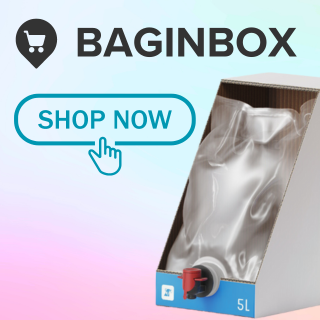
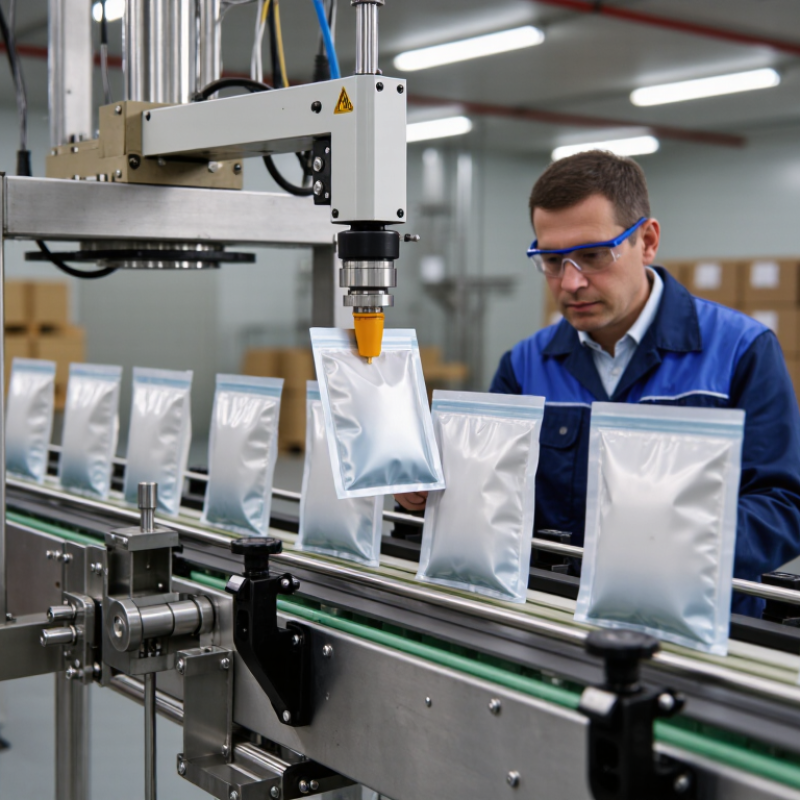
A bag-in-box pouch is a flexible inner bag fitted with a tap or spout and packed inside a rigid outer carton. The pouch often uses several film layers to help protect its contents from moisture, light, or oxygen. The carton supports stacking and makes handling easier. As liquid is poured, the pouch collapses. This can reduce air entering the package, but protection depends on the pouch design and how it is filled.
Tips: Match the pouch material to the product. Check fitment size, barrier needs, and filling temperature. Ask for samples. A fitment that looks right may still leak with a particular filling line.
Bag-in-box packaging is used for juices, wine, sauces, edible oils, and other pourable products. It also serves food-service kitchens, where larger packs can reduce frequent container changes. Some non-food liquids use this format as well, provided the packaging materials suit the contents. For buyers comparing suppliers in China, ask for material specifications, seal and leak-test details, and production samples. A test run matters; specifications alone do not reveal every handling issue.
What Capabilities Define a Qualified Chinese Supplier?
A qualified Chinese bag-in-box pouch supplier should demonstrate control across film selection, lamination, pouch forming, fitment insertion, and final inspection. The Flexible Packaging Association’s 2023 State of the U.S. Flexible Packaging Industry report estimated U.S. industry sales at $42.9 billion in 2022. In a market of this scale, repeatable process control matters more than a low quotation. Ask for the film structure, barrier rationale, and test conditions behind each specification. Keep it concrete. For liquid pouches, request seal-strength and leak-test results from production-representative samples, plus records connecting material lots to finished batches.
Capacity matters, but consistency matters more. A supplier should be able to explain its test methods, incoming-material checks, change controls, and corrective actions. Request samples from separate production runs. Compare fitment alignment, seal quality, opening dimensions, and carton fit. Ask how the factory assesses odor and migration risks for the intended use, and have qualified specialists review the documentation. Audits help. So does a candid answer when a test fails. A certificate alone is not proof; check its scope, expiry, product coverage, and verification source. One often-overlooked weakness is testing only a perfect sample. Agree on acceptance limits and retained samples for actual shipments.
How Do Materials and Production Processes Affect Pouch Quality?
A bag-in-box pouch depends on more than film thickness. Its layers must suit the product, storage time, and filling conditions. A barrier layer can slow oxygen or moisture transfer, while an inner sealant layer must remain compatible with the liquid. For example, a pouch holding an acidic drink may need different material testing from one holding cooking oil. Details matter. Ask the supplier for material specifications and test results, not just a general claim of “high barrier.” No single film works best for every use.
Production choices shape performance too. Careful extrusion and lamination help keep layers even and bonded. During pouch making, seal temperature, pressure, and dwell time need close control. Weak seals can leak; excessive heat can distort the film. A reliable quality check may include seal-strength tests, leak checks, and filled-pouch handling trials. These checks should reflect actual filling and transport conditions. I would also ask how the supplier tracks defects between production batches. A small weakness can be missed in a quick sample. Testing takes time, but skipping it is a poor trade.
Which Factors Help Compare Bag-in-Box Pouch Suppliers?
When comparing bag-in-box pouch suppliers, begin with the pouch’s intended use. Ask about film structure, thickness, oxygen and moisture barriers, and compatibility with your filling process. A pouch for acidic juice may need different protection from one used for cooking oil. Request technical data, not just a general claim of “high barrier.”
Sealing performance and consistency matter just as much. Ask how seal strength is tested and how production defects are tracked. Review sample pouches for clean seals, accurate dimensions, and reliable fit with your tap or filling line. Then check lead times, minimum order quantities, customization options, and how clearly the supplier answers technical questions. A low quote can look attractive, but unclear specifications make comparisons difficult. The best-looking sample is not proof of steady production.
Tips: Test samples with your actual product and equipment when possible. Record fill temperature, storage conditions, and any leaks. Keep the results. Small trials take time, and they may expose issues neither party expected. That gap is worth discussing before a larger order.
Who Is the Best Bag in Box Pouch Supplier in China? - Which Factors Help Compare Bag-in-Box Pouch Suppliers?
| Evaluation factor | What to compare | Evidence to request | Signs of a strong supplier | Suggested score |
|---|---|---|---|---|
| Food-contact compliance | Whether the pouch materials and intended use match the requirements of the destination market and the product being packed. | Applicable declarations, test reports, material specifications, and details identifying the tested structure and intended conditions of use. | Documents are current, traceable to the proposed materials, and relevant to the product, filling conditions, and destination market. | 0–5 |
| Barrier and shelf-life suitability | How well the proposed film structure protects the specific product from relevant factors such as oxygen, moisture, or light. | Layer-structure details, available barrier test data, and a description of how the proposed package relates to the product’s shelf-life requirements. | Recommendations are based on product needs and testable specifications rather than unsupported shelf-life guarantees. | 0–5 |
| Pouch, fitment, and equipment compatibility | Pouch dimensions, fitment type and position, filling method, and compatibility with the buyer’s filling and dispensing equipment. | Dimensioned drawings, fitment specifications, samples, and confirmation of any equipment or sealing requirements. | The supplier checks interface details and supports fit or line trials before large-scale production. | 0–5 |
| Quality control and traceability | Inspection procedures, batch identification, process controls, and how nonconforming products are handled. | Quality-system documents, sample inspection records, batch traceability examples, and corrective-action procedures. | The supplier can explain how a production lot is inspected, identified, and investigated if an issue occurs. | 0–5 |
| Production capacity and lead time | Quoted output, minimum order quantity, production schedule, and the lead time for samples and repeat orders. | A written quotation and schedule stating assumptions, order quantity, artwork approval, material availability, and shipping terms. | Capacity and timing are stated for the specific pouch specification and order, with schedule changes communicated clearly. | 0–5 |
| Customization and technical support | Available pouch sizes, film structures, fitments, printing options, and support with specification development. | Technical data sheets, sample options, artwork guidelines, and written responses to application-specific questions. | The supplier explains trade-offs and confirms the final specification in writing before production. | 0–5 |
| Cost transparency | Unit price, tooling or setup charges, sample costs, packaging, freight assumptions, and any quantity-based price conditions. | An itemized quotation tied to the same material structure, pouch dimensions, fitment, printing, order quantity, and delivery terms. | Quotes can be compared on the same specification, and exclusions or possible extra charges are clearly identified. | 0–5 |
| Sampling and validation support | Availability of samples and support for checking fitment, sealing, filling, handling, and product-specific performance. | Sample plan, sample lead time, test responsibilities, acceptance criteria, and arrangements for production-line trials. | Testing is agreed before ordering, and the approved sample and specification are documented for reference. | 0–5 |
| Shipping and export documentation | Packaging for transport, shipping arrangements, delivery terms, and documents needed for the destination country. | Written shipping terms, packing details, document list, and confirmation of which party handles each export or import requirement. | Responsibilities, costs, and required documents are confirmed before the order is placed. | 0–5 |
| Sustainability claims | The exact material composition and whether any recyclability or environmental claim is applicable to the intended market and disposal system. | Material specifications, supporting assessments or certificates where applicable, and the basis and scope of each claim. | Claims are specific and substantiated; the supplier does not present a packaging material as recyclable without explaining relevant conditions. | 0–5 |
Scoring guide: 0 = no relevant information provided; 1 = limited information; 2 = partial evidence; 3 = adequate evidence; 4 = strong, verifiable evidence; 5 = strong evidence that is specific to the intended application. Scores are buyer-assigned and should be based on the same pouch specification and documented requirements for every supplier.
How Can Buyers Select a Supplier for Their Packaging Needs?
Choosing a bag-in-box pouch supplier starts with your product, not a sales brochure. A thin, water-based product may need different barrier performance from an oily sauce or oxygen-sensitive juice. Share the filling temperature, storage conditions, expected shelf life, and dispensing method. Ask which film structure and fitment the supplier recommends, and why.
Request samples made with the proposed materials, not just a display pouch. Check seal consistency, fitment attachment, and whether the pouch works with your filling line. Test it wet. Ask for documented quality checks, batch traceability, and relevant food-contact documents for your destination market. A supplier should explain test methods and provide clear records, rather than relying on broad claims. Keep notes.
Compare minimum order quantities, lead times, sample charges, and how defects are handled. If possible, run a small production trial and inspect pouches after filling, transport, and storage. I would not trust a polished sample alone; real handling can expose weak seals or awkward dispensing. No checklist catches every issue, and I have seen buyers focus too much on price. Discuss problems openly, including what the supplier cannot guarantee.
Related Posts
-
Top 10 Bag in Box Holders to Enhance Your Beverage Experience in 2023
-
Top 10 Benefits of Using Bag in Box Pouch for Packaging and Storage?
-
How to Choose the Best Bib Bag in Box for Your Needs?
-
China Best Bib Bag in Box Manufacturer for Global Buyers
-
China Best Pouch Up Bag Manufacturer for Wholesale?
-
How to Choose the Best Juice Pasteurizer Machine for Your Business Needs