What Is Juice Processing Equipment and How Does It Work?
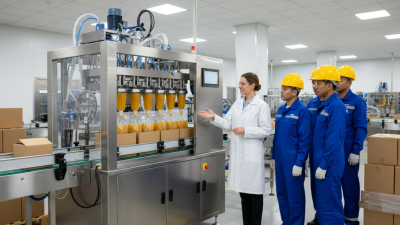
Juice processing equipment includes the machines used to turn fresh fruit or vegetables into a drink for storage and service. A production line may wash, sort, cut, crush, press, filter, heat-treat, and fill the juice. The exact steps depend on the produce and the desired texture. A clear apple juice, for example, usually needs more clarification than a pulpy orange drink.
The process often begins with washing and inspection. Damaged fruit is removed, while clean fruit moves to a crusher or extractor. Presses separate liquid from skins, seeds, and pulp; screens or filters can then adjust the amount of solids. In many facilities, heat exchangers raise juice to a controlled temperature before filling. This step can reduce harmful microorganisms, but only when the process is properly designed and monitored. Small details matter. A worn seal or poorly cleaned pipe can affect product quality.
Equipment choice depends on more than output speed. Fruit type, batch size, cleaning access, temperature control, and packaging format all influence the setup. Stainless steel surfaces and accessible components can support hygienic operation, though they do not replace careful cleaning procedures. No machine guarantees consistent juice on its own. Operators still need to check raw materials, settings, and finished products. There is room for judgment here: two batches of the same fruit may behave differently as ripeness and moisture change. Understanding what each machine does makes it easier to plan a reliable line and identify where adjustments may be needed.
What Juice Processing Equipment Includes
What Is Juice Processing Equipment and How Does It Work?
What Juice Processing Equipment Includes
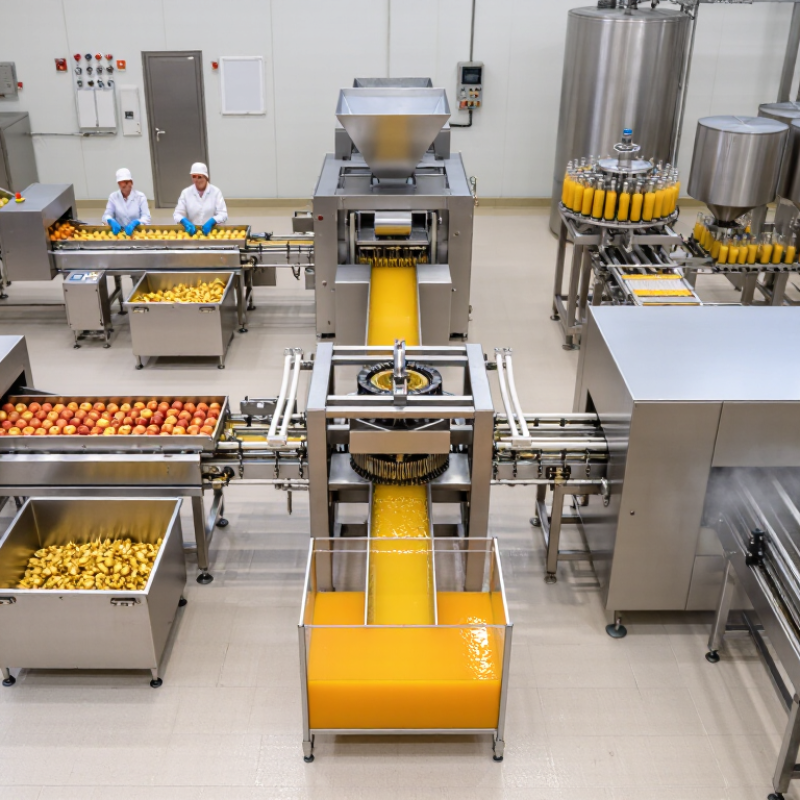
Juice processing equipment covers the machines that prepare fruit, extract juice, make it consistent, and package it. A typical line includes a washer, inspection conveyor, crusher or mill, extractor, screen, pasteurizer, and filling system. Pumps, pipes, tanks, and sensors connect these stages. Clean contact surfaces matter.
Fruit arrives with variation. Ripe apples may soften under pressure, while citrus needs different extraction settings. Operators adjust feed rates and screens to manage pulp, seeds, and peel. The exact setup depends on the fruit and the desired texture; not every line needs every machine. In practice, the process is rarely perfectly linear.
Equipment choices also affect product loss. The FAO’s 2019 report, The State of Food and Agriculture, estimated that 14% of food was lost between harvest and retail in 2016. This figure covers food commodities broadly, not juice specifically. Still, it highlights why careful handling and efficient transfer matter. A poorly matched pump can leave product in pipes, while a clogged screen can slow extraction. Pasteurizers control heat treatment, and filling equipment moves processed juice into clean containers. Cleaning systems and temperature monitors support consistent operation, though they require regular checks.
How Fresh Juice Is Prepared for Processing
Fresh juice preparation starts before the press. Workers inspect fruit for bruises, mold, soil, and foreign material, then remove damaged pieces and sort by size and ripeness. A firm orange rolls differently from an overripe one. Consistent feed helps equipment extract juice more evenly, though fruit variety still changes yield and flavor. Clean, potable water and well-maintained washing equipment reduce surface dirt; washing does not make spoiled fruit safe.
After washing, fruit is drained and moved to cutting, peeling, or crushing equipment suited to its structure. Keep raw fruit, clean containers, and extracted juice separated to limit cross-contamination. The FDA’s Juice HACCP regulation calls for a validated 5-log reduction in relevant pathogens for covered juice products—equivalent to a 99.999% reduction. That benchmark applies to the processing control, not washing alone (FDA, 21 CFR Part 120). Preparation records should note fruit condition, wash checks, and any rejected batches. Small details get missed. A damp belt, for example, can quietly undermine otherwise careful handling.
Tips: Match fruit size to the feeder, remove spoiled pieces promptly, and check wash-water quality regularly. Record what actually happened, not what the checklist was supposed to say. Source: U.S. FDA, Juice HACCP Regulation and Guidance.
What Is Juice Processing Equipment and How Does It Work?
How fresh juice is prepared for processing: an illustrative temperature profile for a pasteurization and chilled-storage workflow.
Washing and extraction generally take place before heat treatment. Pasteurization uses a validated time–temperature process to reduce harmful microorganisms, and juice intended for refrigeration is kept cold. The temperatures shown are illustrative, not universal operating specifications; actual settings depend on the juice, equipment, packaging, and applicable food-safety requirements.
How Extraction and Separation Work
Juice extraction begins by breaking fruit or vegetables into smaller pieces, exposing the liquid held in their cells. Depending on the produce, equipment may use crushing, pulping, or pressing. A screw press gradually compresses the mash, while a belt press squeezes it between moving surfaces. Operators adjust pressure and feed rate to avoid forcing too much pulp into the juice. That balance matters. Excessive pressure can increase bitterness in some fruits or create a cloudy texture.
Separation removes skins, seeds, fibers, and other solids from the extracted liquid. Screens catch larger pieces; finer filters or centrifuges can reduce smaller suspended particles. The right method depends on the desired texture, the raw material, and how much juice must be processed. A clear apple juice may need finer separation than a thick citrus drink. Not quite simple. Very ripe fruit can clog screens, while overly fine filtration may remove desirable pulp and reduce yield. In practice, samples taken during processing help operators adjust the line. Small changes in screen size or flow speed can noticeably affect clarity and waste.
How Juice Is Treated and Packaged
Juice treatment begins with fruit inspection, washing, and preparation. Workers remove leaves, damaged pieces, and dirt before the fruit enters a press or extractor. The raw juice may then pass through screens that catch seeds and coarse pulp. Some products keep more pulp, so filtration depends on the intended texture.
Heat treatment helps control microorganisms and extend shelf life. In pasteurization, juice is heated for a validated time and temperature, then cooled or sent directly to filling. Exact settings depend on the juice’s acidity, composition, and process design. Small details matter. Air removal may reduce oxidation, while blending can create a more even texture. These steps are not identical for every juice, and treating them as interchangeable can lead to poor quality.
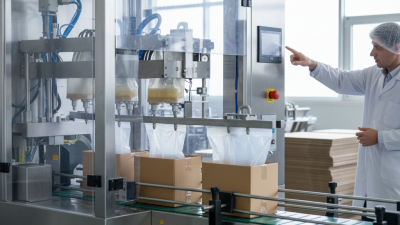
Packaging follows under conditions suited to the chosen process. Hot-fill systems place heated juice into compatible containers, while aseptic systems fill sterilized juice into sterilized packaging. Chilled juice may instead be filled cold and kept refrigerated. The container is sealed, checked for leaks, and marked with batch and date information. A clean seal is essential. Quality checks can include temperature records, package integrity, and periodic product testing. In practice, the line is not perfectly smooth: pulp can settle, and small filling variations need attention. That is why operators monitor the process rather than relying on the machine alone.
Key Equipment Types and Their Roles
Juice processing equipment turns fresh fruit into a stable, pourable product through a sequence of controlled steps. At intake, conveyors and inspection tables remove damaged fruit, while spray washers rinse away soil. A crusher or pulper breaks the fruit down. Presses then separate juice from skins, seeds, and fibrous pulp. The right extraction method depends on the fruit; citrus needs different handling from apples.
Screens and filters control pulp levels, while deaerators help limit oxidation that can dull flavor and color. Heat exchangers pasteurize juice, and filling equipment transfers it into clean containers. These stages also affect product loss. FAO’s 2019 report, The State of Food and Agriculture, estimated that 14% of food is lost between post-harvest and retail. Careful washing, extraction, and process control can help reduce avoidable losses, though equipment alone cannot prevent them.
Tips: Match the press and filter to the fruit and desired texture. Check seals and temperature sensors regularly; a small leak or inaccurate reading can disrupt a whole batch. Keep records of juice yield and cleaning checks. It takes discipline. And equipment settings may need adjustment as fruit ripeness changes.