
2026 Top Vegetable Processing Machines for Global Buyers

2026 Top Vegetable Processing Machines for Global Buyers

Vegetable processing is moving from simple cutting toward measurable efficiency, traceability, and lower resource use. This shift matters as global food systems face growing pressure to reduce waste and protect product quality. The UNEP Food Waste Index Report 2024 estimated that 1.05 billion tonnes of food were wasted in 2022. Better washing, sorting, peeling, slicing, and cooling equipment can help reduce avoidable losses before products reach consumers.

This guide examines the 2026 vegetable processing machine market for global buyers. It considers equipment capacity, hygiene design, energy demand, water recovery, automation, spare parts, and operator safety. FAO reports that agrifood systems generate roughly one-third of global greenhouse gas emissions, making efficient machinery an important purchasing consideration. Meanwhile, Codex Alimentarius principles emphasize hygienic handling, contamination prevention, and documented process control.

Practical details matter.

A compact carrot line may need adjustable blade pressure, stainless-steel contact surfaces, and fast tool changes. A frozen vegetable plant may prioritize blanching accuracy, conveyor sanitation, and stable cooling performance. Buyers should request verified throughput data, not attractive brochure figures. Real output changes with vegetable size, moisture, labor skills, and cleaning intervals.

There is no universally best machine.

Industry forecasts can describe market direction, but they cannot replace factory trials. Reports from organizations such as FAO, UNEP, PMMI, and major market research firms offer useful context, yet their methods and regional assumptions differ. This article therefore combines published industry evidence with practical selection criteria. Some recommendations may remain imperfect. That is worth acknowledging. Reliable decisions come from testing samples, checking service capability, and comparing lifecycle costs rather than choosing the lowest initial price.
2026 Top Vegetable Processing Machines for Global Buyers

What Vegetable Processing Machines Are and How They Work

2026 Top Vegetable Processing Machines for Global Buyers

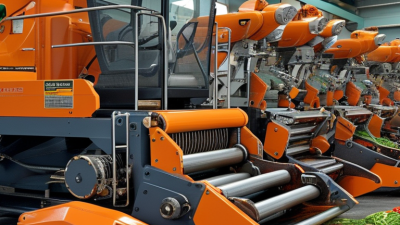
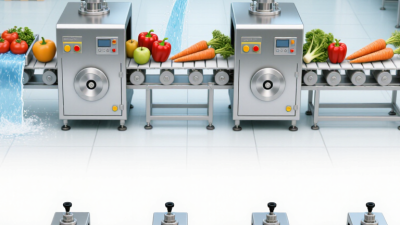
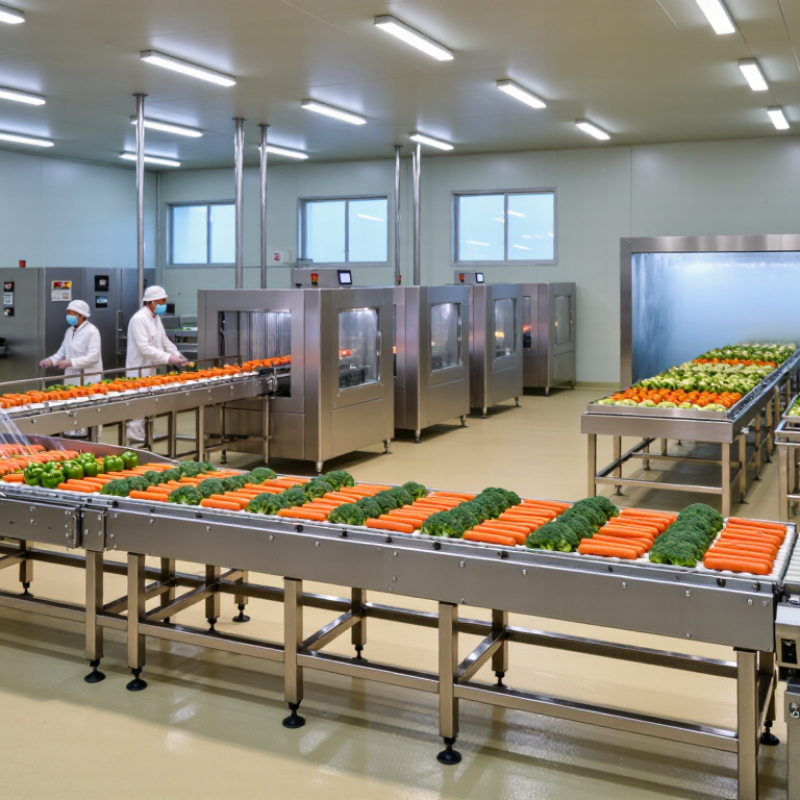
Vegetable processing machines convert fresh crops into clean, uniform, and market-ready products. The line usually begins with receiving conveyors, water flumes, washers, and inspection tables. Washing removes soil and surface contamination. Optical or manual sorting then removes damaged pieces. Peeling, trimming, slicing, dicing, and shredding create the required shape.

It starts with water.

Blanchers use controlled heat to slow enzyme activity before freezing or drying. Centrifugal dewatering removes surface moisture after washing. Steam, hot-water, and air systems suit different vegetables and textures.

According to the FAO Food Loss Index 2023, approximately 13.2% of food was lost globally before retail in 2021.

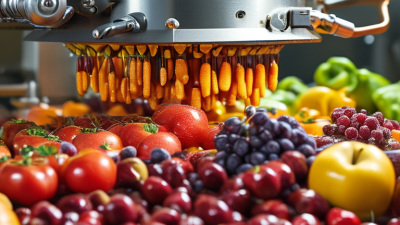
Fruits and vegetables remain especially vulnerable because they bruise and deteriorate quickly. Better cutting accuracy can protect usable yield.

A practical line needs more than high speed.

Sensors should monitor temperature, water flow, belt speed, and product weight. Hygienic design also matters, including sloped surfaces, accessible cleaning points, and food-grade contact materials.

The FAO’s The State of Food and Agriculture 2019 reported around 14% global food loss between harvest and retail.

Buyers should compare yield, sanitation time, energy use, and maintenance access.

A faster machine may waste more produce through broken edges or excessive peeling.

That detail is easy to miss. Small trials with local vegetables can expose problems that brochures cannot.

Key Types of Vegetable Processing Machines in 2026

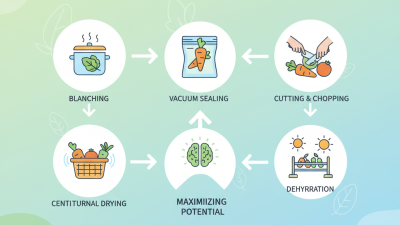
Vegetable processing lines in 2026 are becoming more modular. Buyers usually combine washing, peeling, cutting, blanching, drying, and packaging equipment. Each machine handles a different quality risk. Washing systems remove soil and reduce surface contamination. Peeling machines improve yield, but aggressive settings can damage potatoes, carrots, and fragile roots. Cutting machines must deliver consistent sizes for cooking, freezing, or retail packs.

Sorting and grading machines now use cameras, weight sensors, and defect detection. They help remove bruised vegetables before processing. This matters because FAO reported that 13.2% of food was lost between harvest and retail globally in 2021. Freezing equipment is also important for preserving texture and reducing seasonal waste. Blanchers, tunnel freezers, and dehydration systems require careful control of time and temperature. Small errors can cause color loss. They happen more often than brochures suggest.

Packaging machines complete the line. Vacuum, modified-atmosphere, and sealing systems protect cut vegetables during distribution. The UNEP Food Waste Index 2024 estimated 1.05 billion tonnes of food waste in 2022, including waste at retail, food service, and household levels. Buyers should compare water use, energy demand, cleaning access, and spare-part availability. A fast machine is not always the best investment. In practical plant trials, product variety often exposes weak changeover design. That detail deserves more attention.

2026 Top Vegetable Processing Machines for Global Buyers

Key Types of Vegetable Processing Machines in 2026

The chart compares representative nominal throughput capacities commonly specified for industrial vegetable-processing equipment. Actual performance varies according to vegetable type, cut size, moisture content, operating configuration, and automation level.

How to Match Machines with Different Processing Tasks

2026 Top Vegetable Processing Machines for Global Buyers

How to Match Machines with Different Processing Tasks

Selecting vegetable processing equipment starts with the task, not the machine catalog. Washing leafy greens requires gentle water flow and effective debris separation. Root crops need stronger brushing, controlled spray pressure, and easy soil removal. For slicing, measure diameter, firmness, target thickness, and hourly output before choosing a cutter. A machine built for carrots may crush soft zucchini. Small mismatch, large waste.

Peeling decisions need equal care. Abrasive peelers suit potatoes, while knife or steam systems may protect delicate surfaces. Steam can reduce trim loss, but it demands stable pressure and trained operators. Blanchers should match belt speed, water temperature, and residence time. Too little heat leaves enzymes active; too much damages color and texture. For frozen vegetables, a reliable cooling stage matters as much as the freezer. Skipping it can create clumps.

I recommend testing real seasonal samples, not ideal laboratory produce. Record yield, moisture, breakage, cleaning time, and energy use. Global buyers should also check voltage, water quality, drainage, and local service access. Ask suppliers for food-contact materials, sanitation procedures, safety documents, and performance data under your intended load. One overlooked detail can stop a line. I still see buyers prioritize maximum capacity. That choice is not always wise. A slower machine with stable quality may produce more saleable vegetables each day. Pilot trials reveal these uncomfortable gaps before installation.

Important Features for Global Buyers to Compare

2026 Top Vegetable Processing Machines for Global Buyers

Important Features for Global Buyers to Compare

Global buyers should compare yield, hygiene, energy use, and service access before comparing prices. FAO’s 2024 SDG reporting estimates that 13.2% of food is lost between harvest and retail. A precise cutter, washer, or blancher can reduce avoidable damage during processing. Yet output claims need real product trials, not brochures.

Check contact surfaces, weld quality, drainage, and tool-free cleaning time. Designs aligned with HACCP principles and ISO 22000 systems support safer operations. Ask suppliers for water consumption per tonne, power use per hour, and actual throughput with your vegetable sizes. A machine rated for 2,000 kilograms hourly may perform poorly with soft leafy produce.

Do not overlook voltage, climate, and spare-part availability. A 2024 UNEP Food Waste Index report estimated 1.05 billion tonnes of food waste in 2022 across retail, food service, and households. Reliable processing equipment cannot solve all waste, but it can protect more raw material. Remote diagnostics help, though internet access is not dependable everywhere. Local technicians still matter.

Noise levels and operator access deserve attention. So does changeover time. In factory trials, five extra cleaning minutes per batch can reduce daily capacity noticeably. Buyers should request test videos, maintenance schedules, food-contact material certificates, and references from similar climates. The cheapest machine may become the most expensive after one failed seal. That is easy to underestimate.

Installation, Maintenance, Safety, and International Purchasing Factors

2026 Top Vegetable Processing Machines for Global Buyers

Installation quality often determines output more than advertised capacity. A vegetable line needs level flooring, drainage, clean water, stable electricity, and enough service space. Confirm voltage, frequency, motor protection, and control-panel language before shipment. The IEC 60204-1 machinery-safety standard remains a useful reference for electrical installations. In practical installations, small clearance errors can make belt replacement surprisingly difficult.

Maintenance should match soil, moisture, and crop residue. Daily checks should cover blades, seals, belts, bearings, guards, and emergency stops. Keep spare wear parts in sealed, labeled storage. FAO reported that 13.2% of food was lost between harvest and retail in 2021. Better cutting, washing, and cooling control can reduce avoidable vegetable losses. Predictive monitoring is useful, but it should not replace basic cleaning. That mistake still appears in busy facilities.

Safety planning must include lockout procedures, sanitation controls, operator training, and documented inspections. WHO estimates that contaminated food causes about 600 million illnesses and 420,000 deaths each year. Buyers should request hygienic design details, material certificates, noise data, and validated cleaning instructions. International purchasing also requires careful review of customs codes, packaging, insurance, delivery terms, and local technician support. A low purchase price can become expensive after installation delays. I would also allow extra commissioning time. Real sites rarely behave like factory drawings.