China Best Bib Bag in Box Suppliers for Global Buyers
Choosing the right China bib bag in box supplier requires more than comparing prices or attractive product photos. Global buyers need dependable materials, consistent production, practical communication, and evidence of quality. A suitable supplier should understand multilayer film structures, aseptic packaging, fitment options, filling equipment, and transport conditions. These details influence shelf life, leakage resistance, product safety, and total operating costs.
Experienced suppliers usually provide technical data sheets, production samples, batch records, and clear inspection procedures. Buyers should also review factory capabilities, quality certifications, export experience, and traceability systems. Food, beverage, edible oil, wine, and liquid products may require different film barriers and dispensing designs. Compliance must be checked against the destination market, because packaging requirements vary across countries and product categories. Independent testing can strengthen confidence.
No supplier is perfect. A polished website proves little. Real reliability appears in repeat orders, stable dimensions, responsive problem-solving, and honest documentation. Samples matter. So do factory audits. A strong partner should explain limitations instead of promising everything. Buyers may also need to confirm carton strength, pallet patterns, storage temperature, and filling-line compatibility before signing a contract. Small mistakes can create expensive delays.
This guide examines leading China bib bag in box suppliers for global buyers. It focuses on manufacturing experience, product customization, quality control, communication, certifications, and after-sales support. The goal is not to name the cheapest option. It is to help buyers make a careful, evidence-based decision for long-term supply.
What Is a Bag-in-Box Packaging System?
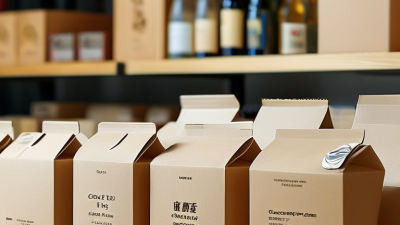
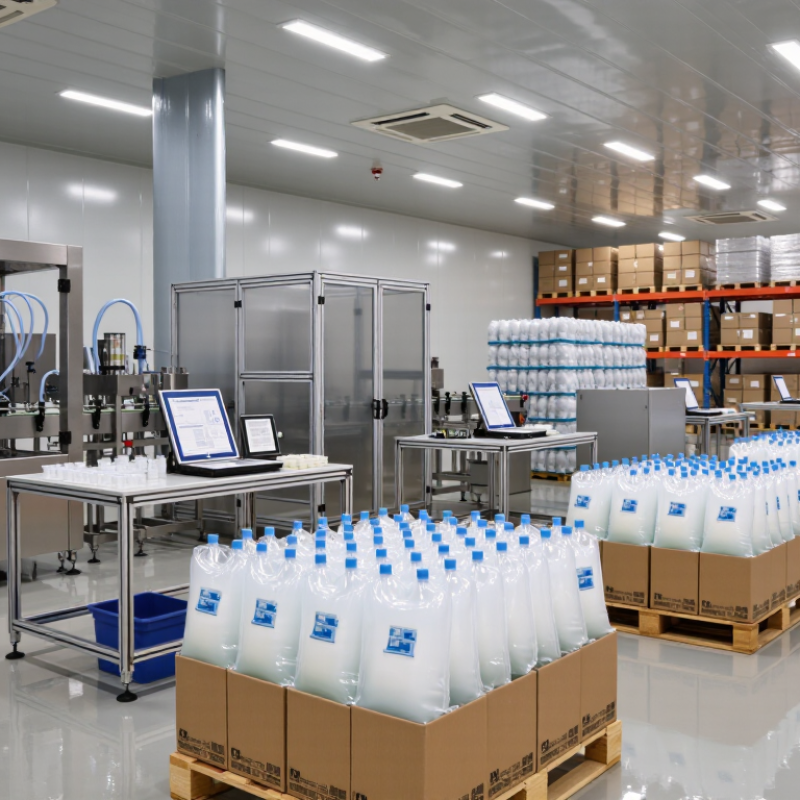
A bag-in-box system places a flexible inner bag inside a protective outer carton. It combines a barrier film, fitment, closure, and rigid box. The inner bag holds the product and limits contact with air and light. The carton supports stacking, transport, and controlled dispensing. It is practical. This structure can reduce packaging weight compared with many rigid containers.
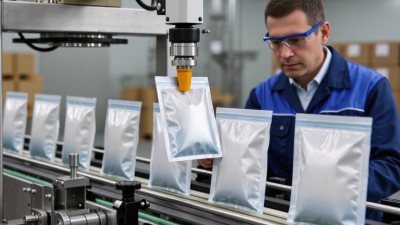
During packaging trials, filling accuracy and sealing pressure deserve close attention. The process normally uses a filling machine, followed by fitment sealing and carton packing. A suitable fitment must match the filling line and dispensing method. The film should resist punctures, moisture, and product interaction. Small errors matter. Over-tightening a closure may damage the fitment, while weak sealing can cause leakage during shipping. These details require documented testing, not visual guesses.
For global buyers, suppliers should provide material specifications, food-contact declarations when applicable, and transport test records. Production samples can reveal wrinkles, poor seals, or unstable cartons before a large order. Ask about batch tracking and inspection procedures. A reliable supplier explains limitations instead of promising universal performance. I would not select a system only by carton price; film structure, filling efficiency, and disposal requirements also affect the real cost. Some designs look efficient but perform poorly in cold warehouses. Details decide performance.
Why Choose Chinese Bib Bag-in-Box Suppliers?
Chinese Bib bag-in-box suppliers attract global buyers through flexible production, practical engineering, and competitive sourcing. Many factories combine film extrusion, bag forming, fitting insertion, and carton packing under one quality system. This arrangement can reduce handoffs and improve traceability. From project experience, suppliers respond well to custom volumes, outlet positions, filling methods, and carton dimensions. They also support common food, beverage, and non-hazardous liquid applications. Export teams often manage samples, inspection records, and shipping documents with clear timelines. Still, low pricing alone proves little. A capable supplier should explain material layers, seal strength, oxygen protection, and storage conditions clearly. Ask for evidence, not promises.
Tips: Request samples from the same line used for bulk orders. Check seal appearance, fitting torque, leakage resistance, and carton compression. Confirm food-contact documents for consumable products. Ask how complaints are recorded and corrected. A video audit helps, but it cannot replace independent inspection. Small gaps may appear between approved samples and mass production.
Chinese suppliers can offer customization without rebuilding an entire packaging system. Engineers may adjust bag dimensions, spout location, filling compatibility, and pallet patterns. Their connected material and converting networks can shorten development cycles. Yet communication may require patience across time zones and technical vocabulary. Written specifications prevent expensive assumptions. Include tolerances, test methods, batch coding, and acceptance limits. Reliable partnerships often grow through small trial orders. They are not always perfect. However, transparent corrections reveal more than polished sales presentations.
Why Choose Chinese Bag-in-Box Suppliers?
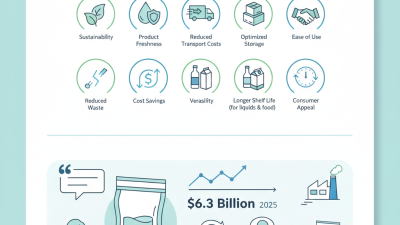
Chinese suppliers are widely considered by global buyers because they combine large-scale manufacturing capacity with flexible customization, competitive production costs, and established export logistics.
The chart presents an indicative buyer-priority index from 0 to 100 for common Bag-in-Box sourcing criteria. It is a category-level comparison and does not represent any specific company or brand.
How to Evaluate Supplier Quality and Production Capability
China Best Bib Bag in Box Suppliers for Global Buyers
A reliable supplier should prove capability, not merely display modern machinery. Smithers’ 2024 flexible-packaging report forecasts steady global growth through 2028. That demand makes supplier screening more important. Request production records for film extrusion, printing, bag making, and filling. Check actual monthly output, not claimed capacity. A factory producing 300,000 bags monthly may struggle with a sudden 2-million-unit order.
Inspect material controls closely. Ask for resin specifications, film thickness reports, migration testing, and certificate traceability. For liquid products, review seal-strength results, drop tests, vacuum-leak testing, and fitment torque records. The Flexible Packaging Association identifies downgauging and improved material efficiency as major industry trends. Thinner film can reduce waste, but it may also weaken puncture resistance. That trade-off needs evidence.
Visit the line if possible. Watch operators sample bags from several machines, not one prepared batch. Review calibration schedules, nonconformance records, corrective actions, and retention samples. A supplier with ISO 9001 certification shows process discipline, but certification alone cannot confirm product consistency. Independent laboratory reports add stronger evidence. Ask for three recent batches and compare their dimensions, seals, and burst performance. Small variations are normal. Unexplained variations are not.
Production speed is only one measure. Lead-time accuracy, backup equipment, trained technicians, and export packaging also matter. One uncomfortable question remains: can the supplier maintain quality when orders become urgent? Many buyers test this too late.
Key Certifications and Standards for Global Buyers
Global buyers evaluating bib bag in box suppliers should examine certifications before comparing prices. Food-contact compliance is essential for products such as wine, juice, dairy, sauces, and edible oils. Suppliers should provide current declarations for FDA 21 CFR requirements or relevant European food-contact rules, including Regulation (EC) No. 1935/2004 and applicable plastic-material standards.
Look for documented systems such as ISO 9001, HACCP, GMP, BRCGS Packaging Materials, or FSSC 22000. Each certificate should show the legal company name, production site, scope, issue date, and expiry date. Verify it through the certification body when possible. A certificate alone is not enough. Ask for migration test reports, certificates of analysis, ink and adhesive specifications, and batch traceability records. These documents reveal whether the supplier controls the complete packaging process.
Practical testing matters too. Request evidence of seal strength, drop resistance, burst pressure, oxygen transmission, and leakage performance. A filled bag should survive carton handling, warehouse stacking, and temperature changes without losing seal integrity. Confirm that the fitting matches your filling equipment. Small dimensional differences can stop a production line. Suppliers should also explain incoming material checks and corrective-action procedures. Some documents may look complete but lack product-specific data. That gap deserves attention. A careful audit, sample trial, and shelf-life review can expose weaknesses before a large international order.
How to Select the Right Chinese Supplier for Your Market
Choosing a Chinese bag-in-box supplier requires more than comparing quoted prices. The right partner must fit your product, market, and distribution conditions. Start by defining the liquid type, filling temperature, storage period, pouch volume, and tap or fitment design. A supplier experienced with your application can recommend suitable film structures and sealing methods. Ask for technical data, food-contact declarations, migration reports, and batch traceability records. These documents reveal more than a polished sales presentation.
Request samples from several suppliers. Test them during filling, stacking, transport, and opening. Check whether the inner bag wrinkles around the corner or leaks near the fitment. Small weaknesses become expensive problems during long-distance shipping. Review the factory’s quality procedures, production equipment, inspection points, and corrective-action records. A video call helps, but an independent factory audit provides stronger evidence. Certifications matter, yet expired documents or unclear scopes should raise questions. Verify them carefully.
Communication also affects supply reliability. Confirm minimum order quantities, tooling charges, sample timelines, production capacity, and peak-season lead times in writing. Ask how the supplier handles complaints and replacement decisions. A low quotation may exclude testing, special packaging, or export documents. That mistake is easy to make. I would also compare two approved suppliers instead of relying on one source. This adds work, but it reduces disruption when materials change or production slips. A supplier may pass every document review and still struggle with urgent requests. Leave room for that uncomfortable possibility.