Why Choose Bib Bag in Box for Global Buyers?
For global buyers, packaging is more than a container. It affects shipping cost, storage space, product protection, and customer confidence. The bib bag in box format offers a practical balance between these needs. A flexible inner bag holds the product, while a strong outer carton supports stacking and transport. This design can reduce unused space on pallets and trucks. It may also lower packaging weight compared with rigid containers.
In real purchasing projects, small details matter. Buyers should check filling equipment, bag materials, carton strength, closure design, and storage temperatures. A juice producer may need oxygen protection. A sauce supplier may require a wider dispensing opening. A warehouse manager may focus on corner strength after long-distance handling. These choices need technical evidence, not attractive sales language.
Not every application fits.
The packaging can perform well, but results depend on correct specifications and controlled filling conditions. Shelf life also varies with the product, barrier structure, processing method, and distribution environment. Global buyers should request samples, test transport performance, and review supplier quality records before placing large orders. Independent testing can reveal weak seals, carton deformation, or difficult dispensing. These problems are easy to overlook during a short factory visit.
There is no universal packaging solution. However, bib bag in box can provide efficient handling, product protection, and flexible logistics when properly engineered. Its value becomes clearer when cost, performance, sustainability, and local operating conditions are assessed together. Some assumptions may need reconsideration. Good decisions come from measurable trials, transparent communication, and realistic expectations.
What Is a Bag-in-Box System?
Why Choose Bib Bag in Box for Global Buyers?
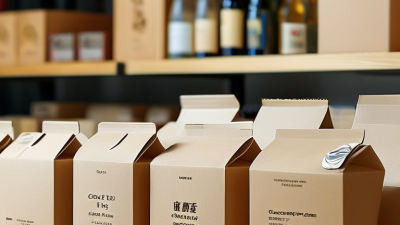
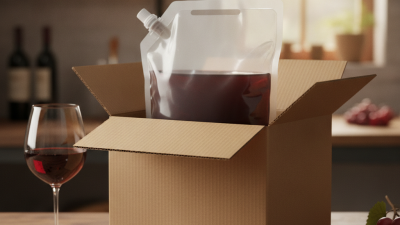
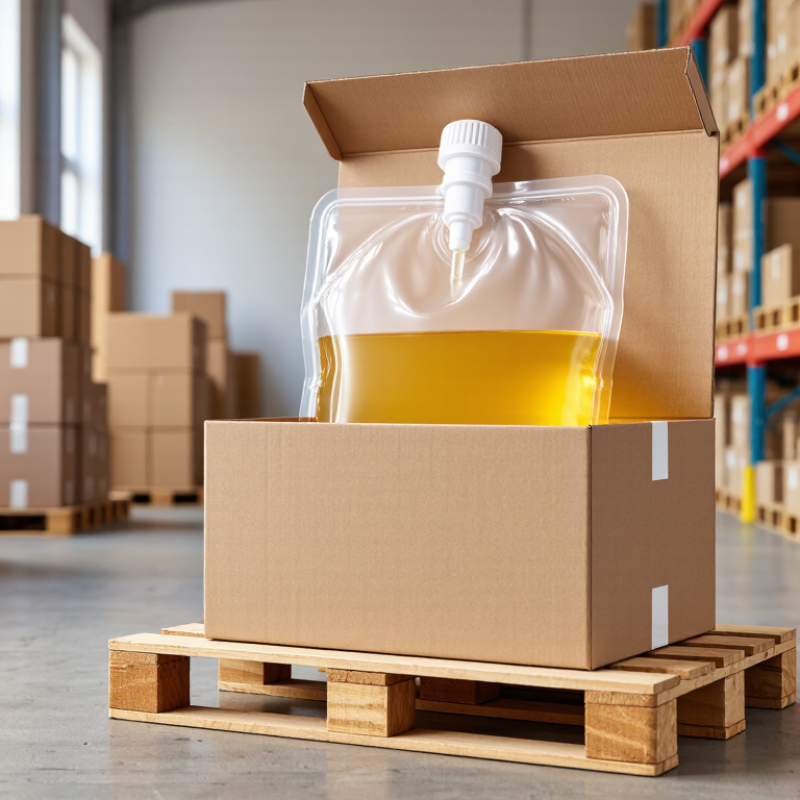
A bag-in-box system combines a flexible inner bag, a dispensing fitment, and a protective outer box. The bag holds the product. The box provides stacking strength during storage and transport. Once opened, the dispensing valve can limit air entering the package. This helps protect freshness, especially for liquids used over several days.
The system is practical, but not magic. Material selection, filling accuracy, and valve design still affect performance. The Flexible Packaging Association reported that the United States flexible packaging industry reached approximately 39.6 billion dollars in sales in 2023. This scale reflects strong demand for lightweight and space-efficient packaging. Compared with rigid containers, a filled bag-in-box unit usually uses less packaging material and occupies less empty space during shipment. That can reduce freight weight and improve pallet utilization.
Industry assessments also support careful environmental claims. A life-cycle study published by the Sustainable Packaging Coalition found that bag-in-box formats can create substantially lower carbon impacts than some rigid liquid packages. Results vary by product, transport distance, recycling systems, and filling process. That detail matters. A package may perform well in transport but face limited recovery options locally. Global buyers should therefore check film structure, food-contact compliance, closure integrity, and end-of-life pathways in each target market. The best system is not simply the lightest one. It must remain safe, stable, and usable from filling line to final pour.
How Bag-in-Box Packaging Works
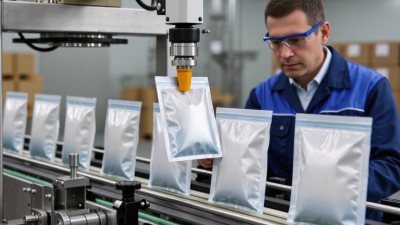
Bag-in-box packaging begins with a flexible inner bag, usually made from layered barrier films. The bag protects liquid from light, oxygen, and contamination. During filling, a machine removes excess air, seals the fitment, and places the bag inside a rigid corrugated carton. The carton provides stacking strength during shipping. A tap or valve then controls dispensing without exposing the entire product.
This structure can reduce transport weight and storage space. The Flexible Packaging Association reported that flexible packaging represented about 21% of the U.S. packaging market in 2023. That figure reflects strong demand for lighter formats. Global buyers also examine material efficiency carefully. Smithers’ 2023 flexible packaging outlook identifies sustainability and downgauging as major industry priorities.
Still, bag-in-box is not automatically better. Film layers may complicate recycling, and poor filling practices can cause leaks. That part deserves more honesty.
Tips:
Match the film barrier to the product’s oxygen and light sensitivity. Test filled bags under vibration, compression, and temperature changes. Keep the dispensing area clean. Specify carton strength for humid warehouses. A small valve failure can damage an entire shipment.
In practical use, the carton carries warehouse loads while the inner bag collapses during dispensing. Less air enters after opening. This can help preserve product quality and reduce leftover waste. However, performance depends on fitment design, seal quality, and operator training. Packaging engineers should validate the complete system, not only the film or box separately.
Why Global Buyers Choose Bag-in-Box
Why Global Buyers Choose Bag-in-Box
Global buyers choose bag-in-box because it combines efficient logistics with practical product protection. A flexible inner bag uses less rigid material than many traditional containers. Its flat shape also reduces empty space during shipping and storage. That matters when freight rates, warehouse capacity, and delivery distances keep changing. PMMI’s 2024 Global Packaging Trends report identifies sustainability and supply-chain resilience as major packaging investment drivers. Bag-in-box responds to both pressures with a compact, lightweight format.
The commercial case is measurable. The Flexible Packaging Association valued the United States flexible packaging market at approximately $40.6 billion in 2023. This indicates strong demand for adaptable packaging across food, beverage, and industrial applications. Buyers can select barrier films for oxygen, light, or moisture sensitivity. They can also use fitments and dispensing systems for cleaner portion control. Less product remains trapped inside. Sometimes, that small detail changes operating costs.
The format is not perfect. Recycling systems still differ widely between countries, especially for multi-layer films and attached components. A lighter pack is not automatically a greener pack. Buyers should request life-cycle evidence, migration testing, pallet data, and end-of-life guidance. Eurostat reported 188.7 kilograms of packaging waste per EU resident in 2021, including 35.9 kilograms of plastic packaging waste. These figures make packaging reduction important, but material choices require honest comparison. Experienced purchasers should test sealing performance, stacking strength, and opening convenience before global rollout. Small failures become expensive across borders.
Why Global Buyers Choose Bag-in-Box
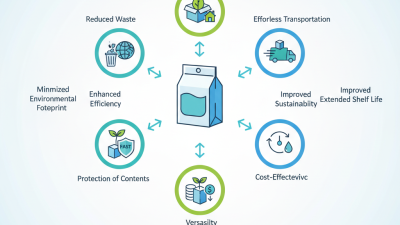
Bag-in-box packaging combines a flexible inner bag with a protective outer carton. Compared with many rigid packaging formats, it can reduce packaging material, improve transport efficiency, and help minimize product waste after opening.
Typical industry benchmark ranges shown as representative midpoint values: packaging material reduction of approximately 60–80%, transport and storage volume reduction of approximately 50–70%, and product waste reduction of approximately 5–10%. Actual results vary by product, pack size, distribution route, and comparison format.
Key Applications Across International Markets
Why Choose Bag-in-Box for Global Buyers? Key Applications Across International Markets
Bag-in-box packaging serves several international markets with different logistics and handling needs. Wine, fruit concentrates, edible oils, sauces, liquid dairy products, and drinking water are common applications. Smithers’ market analysis forecasts continued growth in global bag-in-box demand through 2028, supported by flexible packaging and foodservice distribution. The format combines a strong outer carton with a sealed inner bag. It can reduce exposure to oxygen, light, and repeated handling.
Food protection matters during long-distance transport. The FAO reported that approximately 14% of food is lost between harvest and retail. Bag-in-box systems can support longer shelf stability when filling, materials, and storage conditions are properly controlled. In a warehouse, a 10-liter unit can replace multiple smaller containers. That means fewer cartons, fewer openings, and easier pallet planning. Less handling helps.
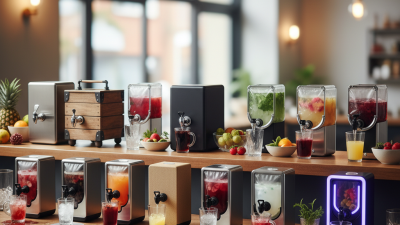
Applications differ by region. In Europe, wine and concentrated beverages often require compact retail or hospitality formats. In Asia-Pacific, aseptic liquid foods and ingredients support ambient distribution where refrigeration is limited. In North America, large foodservice packs suit restaurants, catering operations, and institutional kitchens. Packaging decisions still require testing. Valve design, filling accuracy, barrier performance, and local recycling systems can change the result. It is not a universal answer. A lighter package may create recycling challenges if collection infrastructure is weak. Reliable buyers should review technical data, transport trials, and applicable food-contact requirements before scaling.