
Choosing juice processing equipment starts with the fruit, not the brochure.
A soft berry needs gentler handling than a firm apple. Your production target, shelf-life plan, and available floor space also matter.
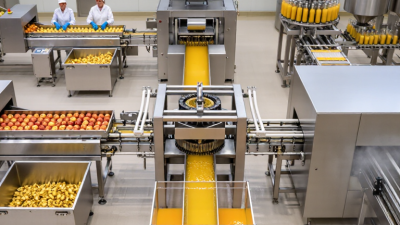
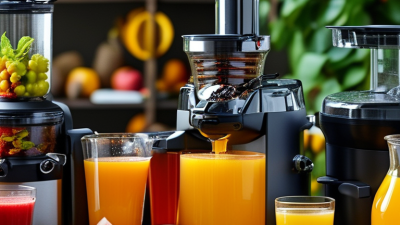
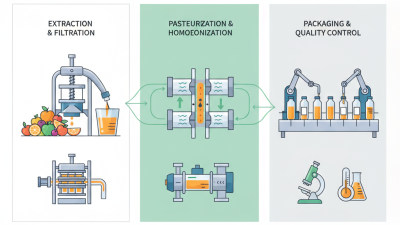
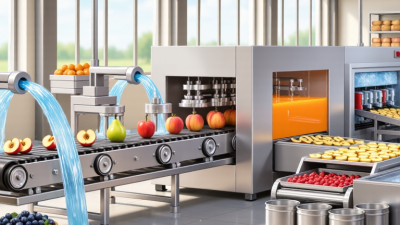
A washer removes soil and surface contaminants before cutting. A crusher or mill breaks fruit into a pumpable mash. Presses then separate juice from pulp, while centrifugal or clarifying systems reduce suspended solids.
For citrus, a specialized extractor limits peel-oil contamination. This detail is easy to overlook.
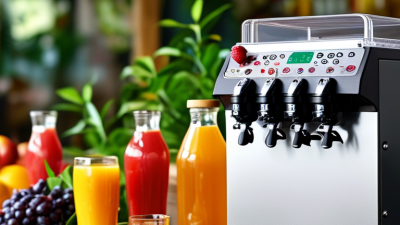
A practical line should also include filtration, pasteurization, filling, and cold storage. Pasteurization controls microorganisms, but excessive heat can weaken fresh flavor and color.
Match capacity across every stage.
A press rated for 2,000 liters per hour cannot solve a washer bottleneck. The smallest unit may control the entire line.
FAO’s 2023 food-loss analysis reported that 13.2% of food was lost globally before retail in 2021.
Better washing, extraction, and temperature control can reduce avoidable losses, though equipment alone cannot fix poor handling.
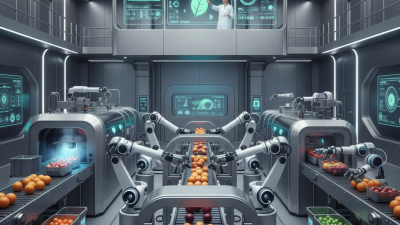
The Food Processing Equipment Market outlook from Grand View Research projects continued growth through 2030, reflecting stronger investment in automated and hygienic systems.
Treat forecasts carefully; regional demand differs.
Ask suppliers for measured yield, cleaning time, energy use, and wastewater volume. Request trials using your actual fruit.
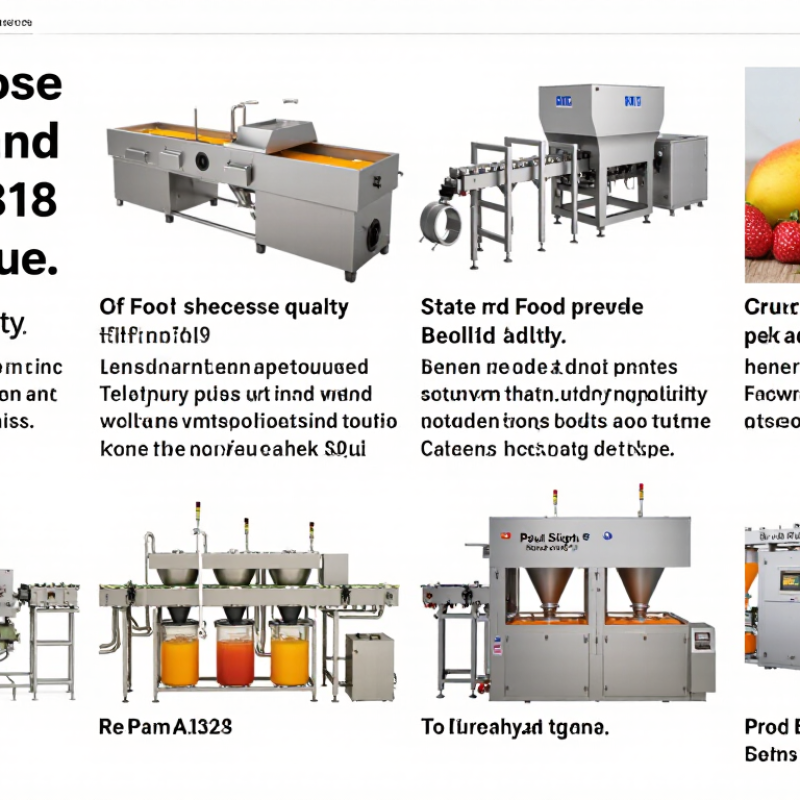
Stainless steel contact surfaces, accessible seals, and automatic temperature records support safer operation and easier audits.
I would not choose the fastest machine first. A slower press with higher yield may protect margins better, but only after real batch testing.