Top 10 Bag in Box Filling Machine Manufacturers
The bag in box filling machine market is gaining attention as beverage, dairy, foodservice, and industrial liquid brands seek cleaner, faster packaging lines. Smithers’ The Future of Bag-in-Box Packaging to 2028 reports continued market expansion, supported by lightweight materials, efficient logistics, and rising demand for concentrated products. PMMI’s packaging automation studies also highlight labor shortages, digital monitoring, and flexible equipment as major investment drivers.
A reliable bag in box filling machine must control filling accuracy, sealing temperature, product flow, and contamination risk. Operators notice small details. A stable nozzle prevents splashing. A clean valve reduces product loss. A clear touchscreen simplifies changeovers during busy shifts. These features matter more than attractive brochures.
Packaging consultant Dr. Roger H. Stier has stated, “Packaging is a system, not a single material.” That principle applies directly here. The machine, bag film, fitment, product viscosity, and distribution conditions must work together. Yet, supplier claims can be difficult to compare. Some rankings emphasize output speed. Others prioritize hygiene, automation, service, or total ownership cost. No single list is perfect.
This guide examines ten leading bag in box filling machine manufacturers through practical criteria, including filling precision, equipment flexibility, sanitation design, technical support, and documented industry experience. It also considers limitations. A high-speed machine may not suit a delicate juice. A low-cost model may demand more manual oversight. Readers should verify specifications, conduct product trials, and request customer references before making a final decision.
What Is a Bag-in-Box Filling Machine?
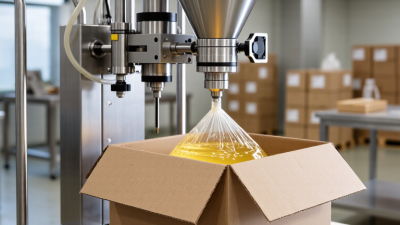
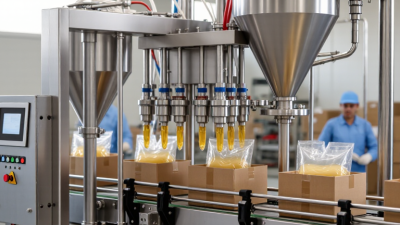
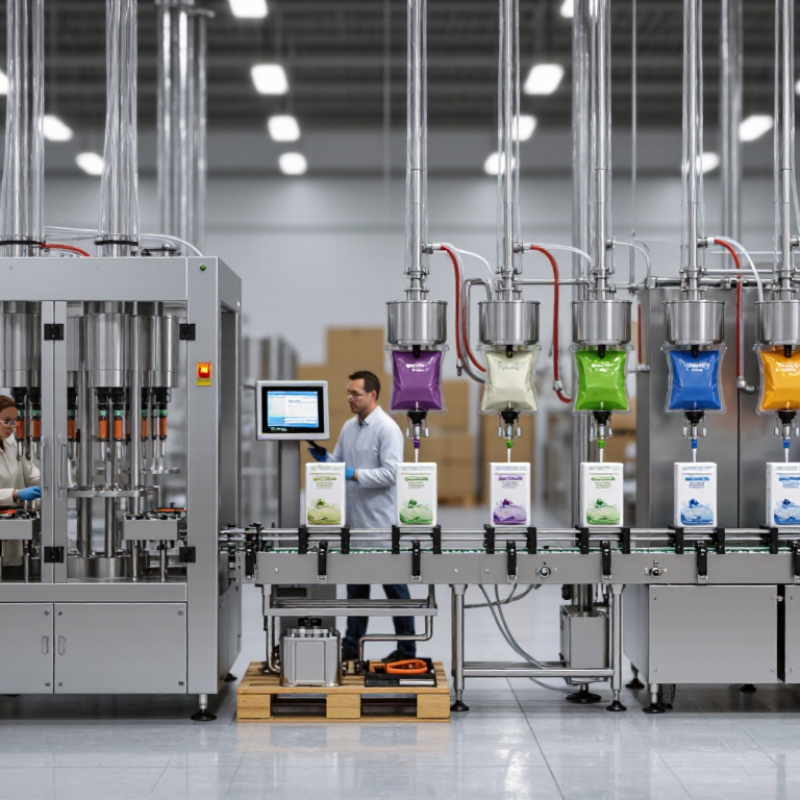
A bag-in-box filling machine fills liquid products into flexible bags fitted inside protective cartons. The bag usually includes a sealed spout, cap, or dispensing valve. During operation, the machine opens the bag, removes trapped air, and delivers a measured volume of liquid. It then seals the opening securely. The carton protects the filled bag during storage, handling, and transport.
Modern equipment may use flow meters, load cells, pumps, and programmable controls. Each component supports accurate filling and repeatable production. Operators commonly adjust the system for different bag sizes, product viscosities, and filling temperatures. A thick sauce may need gentle pumping, while a thin liquid can flow faster. Clean filling matters. Product contact parts should be easy to remove and sanitize. Small errors spread quickly across a production run.
In practical use, machine performance depends on more than filling speed. The bag material, seal design, product temperature, and closure quality all affect shelf stability. Experienced operators check fill weight, leakage, wrinkles, and air pockets at regular intervals. A loose seal can ruin an otherwise accurate fill. That detail is easy to overlook. Some machines also include nitrogen flushing or sterile filling features, depending on the product and process requirements. However, no machine removes the need for careful testing. Operators should confirm compatibility before full-scale production. Real conditions are rarely perfect. Even reliable equipment may need slower speeds when the liquid foams or the bag shape changes.
How to Evaluate Bag-in-Box Filling Machine Manufacturers
When evaluating bag-in-box filling machine manufacturers, inspect performance beyond brochure speed. Grand View Research estimates that the global bag-in-box container market will expand at roughly 6% annually through 2030. That growth increases pressure on equipment reliability, hygiene, and flexible packaging compatibility. Ask for verified filling accuracy, not only maximum output. A practical target is consistent dosing within ±1%, although product viscosity can change results.
Request factory acceptance test records using your actual bag film, fitment, and product temperature. Watch the filling head during start-up, changeover, and shutdown. Small leaks often appear during these moments. Check whether the manufacturer measures dissolved oxygen, seal strength, and residual volume. These details matter for juice, dairy alternatives, sauces, and other oxygen-sensitive products. PMMI industry reports repeatedly identify labor availability and automation as major packaging concerns, so review recipe control, alarm clarity, and cleaning requirements carefully.
Service capability deserves equal attention.
Confirm spare-parts availability, remote diagnostics, technician response times, and local training. A low purchase price can become expensive when one sensor stops production. Ask for references from facilities with similar pouch sizes and hourly volumes. Documentation should include electrical drawings, validation records, maintenance schedules, and operator instructions. Be cautious with impressive case studies; some figures may reflect ideal conditions. I would also challenge my own evaluation: a faster machine is not automatically better if changeovers are slow or cleaning remains difficult. Reliability is measured on ordinary production days.
Top 10 Bag-in-Box Filling Machine Manufacturers
Top 10 Bag-in-Box Filling Machine Manufacturers
The top ten bag-in-box filling machine manufacturers usually stand out through measurable engineering performance. They design systems for water, dairy products, sauces, concentrates, and other approved liquid applications. Strong manufacturers offer accurate dosing, gentle product handling, and stable sealing. A reliable machine should fill each pouch within a narrow weight range. It should also maintain clean connections during extended production.
In factory evaluations, technicians often inspect stainless-steel frames, programmable controls, filling nozzles, and changeover time. Practical details matter. A 10-minute format change can reduce costly production delays. Manufacturers with proven expertise provide installation guidance, operator training, maintenance schedules, and accessible spare parts. They should also document testing procedures and support applicable food-contact and workplace requirements. Service records reveal more than attractive brochures.
No machine is perfect. Some systems may lose efficiency with thick products or irregular pouch dimensions. That limitation deserves honest discussion. Buyers should request sample trials using their actual liquid, pouch material, and production speed. Check seal strength, filling accuracy, cleaning results, and operator safety. A trustworthy manufacturer explains both strengths and weaknesses. It also improves designs after field feedback, because real production rarely matches laboratory conditions exactly.
Top 10 Bag in Box Filling Machine Manufacturers - Top 10 Bag-in-Box Filling Machine Manufacturers
| Rank |
Anonymous Supplier Profile |
Filling Technology |
Typical Bag Volume |
Typical Output |
Product Compatibility |
Common Automation Level |
Typical Applications |
| 1 |
Profile A |
Aseptic volumetric filling |
3–20 L |
Up to approximately 1,200 bags/hour |
Liquid and semi-liquid food products |
Fully automatic |
Dairy, fruit preparations, sauces and beverages |
| 2 |
Profile B |
Electronic flow-meter filling |
5–25 L |
Approximately 400–900 bags/hour |
Low- to medium-viscosity liquids |
Automatic with CIP options |
Wine, juice, liquid eggs and edible oils |
| 3 |
Profile C |
Mass-flow filling |
10–25 L |
Approximately 300–700 bags/hour |
Accurate liquid and viscous products |
Automatic |
Syrups, concentrates, dressings and detergents |
| 4 |
Profile D |
Time-pressure filling |
5–20 L |
Approximately 250–600 bags/hour |
Free-flowing and filtered liquids |
Semi-automatic to automatic |
Small and medium beverage operations |
| 5 |
Profile E |
Hot-fill volumetric filling |
3–20 L |
Approximately 300–800 bags/hour |
Heat-treated acidic products |
Automatic |
Fruit purées, sauces and prepared foods |
| 6 |
Profile F |
Gravity-assisted filling |
2–10 L |
Approximately 150–400 bags/hour |
Low-viscosity, non-carbonated liquids |
Semi-automatic |
Farm processing, pilot production and wineries |
| 7 |
Profile G |
Piston or servo-piston filling |
5–25 L |
Approximately 200–500 bags/hour |
High-viscosity products with particulates |
Automatic or semi-automatic |
Tomato products, fillings, creams and pet food |
| 8 |
Profile H |
Aseptic filling with sterile chamber |
5–20 L |
Approximately 250–700 bags/hour |
Shelf-stable liquid foods |
Fully automatic |
UHT beverages, dairy alternatives and sauces |
| 9 |
Profile I |
Multi-head filling |
10–25 L |
Up to approximately 1,000 bags/hour |
High-volume liquid production |
Fully automatic |
Industrial beverage, foodservice and ingredient packing |
| 10 |
Profile J |
Compact inline filling |
1–10 L |
Approximately 100–350 bags/hour |
Liquid products with frequent changeovers |
Manual to semi-automatic |
Contract packing, laboratories and small manufacturers |
Note: The figures shown are typical industry operating ranges for comparable bag-in-box filling equipment. Actual capacity depends on product viscosity, filling temperature, bag size, packaging material, sanitation method and machine configuration.
Key Features and Technologies of Leading Manufacturers
Top 10 Bag in Box Filling Machine Manufacturers
Key Features and Technologies of Leading Manufacturers
The top ten manufacturers are usually judged by filling accuracy, hygiene control, and dependable production speed. Leading machines use stainless steel frames and smooth welds, reducing areas where product residue can collect. Servo-driven pumps control volume with precision, while load cells verify each filled bag. Small errors matter. A 20-gram variation can affect shipping costs and customer trust.
Modern equipment often supports hot-fill, cold-fill, and aseptic applications, depending on the product and package design. Automated temperature sensors monitor the product path continuously. Clean-in-place systems reduce manual washing time, but operators still need to inspect valves, seals, and connection points. Technology does not remove responsibility.
Advanced models combine PLC controls, touchscreen recipes, and remote performance records. Vision systems can check spouts, caps, and bag positioning before sealing. Some machines also detect leaks through pressure testing or weight comparison. These features improve traceability and reduce rejected cartons. However, excessive automation may complicate maintenance when technicians lack proper training. Practical manufacturers provide clear manuals, accessible components, and responsive technical support. Changeover tools should be simple enough for a tired operator during a busy shift. That detail is often overlooked.
Top 10 Bag-in-Box Filling Machine Manufacturers: Key Features and Technologies
This chart presents generalized industry benchmarks for technologies commonly specified in leading bag-in-box filling systems. Automated cleaning, servo-controlled dosing, aseptic filling, flexible bag-size handling, and inline quality monitoring are among the most important capabilities used to improve hygiene, accuracy, productivity, and packaging flexibility. The figures are presented as non-company-specific reference values.