Why Choose a Bag in Box Filling Machine?
Why Choose a Bag in Box Filling Machine?
Packaging decisions affect product quality, production speed, and customer trust. A bag in box filling machine can fill liquid products into flexible bags, then place them inside protective cartons. This design uses less packaging material than many rigid containers. It also supports efficient storage, transport, and dispensing.
The process can be precise. A calibrated filling head measures each portion, while controlled sealing helps protect the product from leaks and contamination. For sauces, juices, dairy alternatives, and other suitable liquids, this system may reduce oxygen exposure and improve shelf stability. Operators can also handle large-volume formats with fewer container changes. That matters during a busy production shift.
Small details matter most.
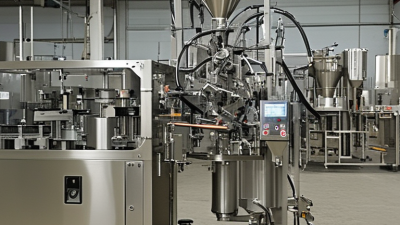
A reliable machine should offer adjustable filling volumes, stable product flow, and accessible contact parts. Hygienic construction supports practical cleaning and inspection. The machine should also match the product’s viscosity, temperature, bag material, and required output. Poor compatibility can create foaming, weak seals, or inconsistent weights.
Real production experience adds an important caution. Not every bag in box filling machine fits every facility. Floor space, utilities, maintenance skills, and packaging specifications can change the final result. A fast machine is not automatically the best investment. Trial filling, seal testing, and operator feedback can reveal problems before installation becomes expensive. Equipment suppliers with documented performance data and responsive technical support offer stronger assurance. Careful evaluation helps manufacturers choose a system that performs reliably, not merely one that looks efficient in a brochure.
What Is a Bag-in-Box Filling Machine?
What Is a Bag-in-Box Filling Machine?
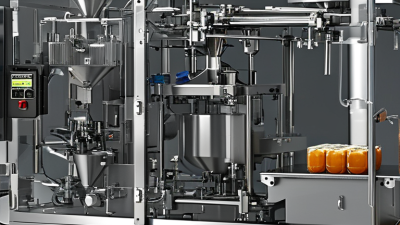
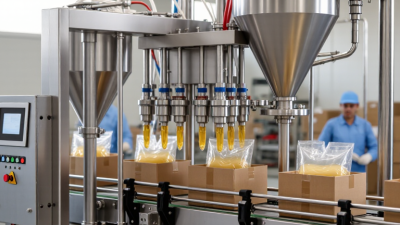
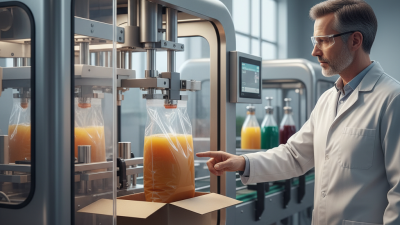
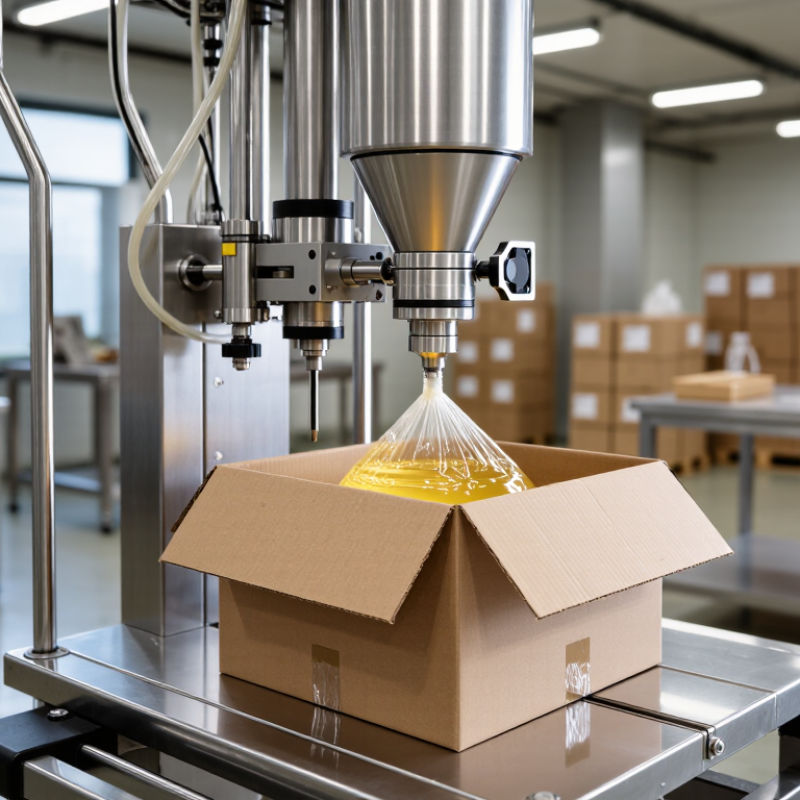
A bag-in-box filling machine fills flexible bags, seals them, and places them into protective cartons. The bag usually contains a fitment, such as a valve or spout. During filling, the machine controls product flow, air removal, sealing temperature, and fill volume. This process suits liquids including beverages, sauces, concentrates, and industrial fluids.
Grand View Research estimated the global bag-in-box container market at about USD 3.8 billion in 2023. Its report also forecasts steady growth through 2030. This demand reflects lower packaging weight and efficient storage. However, market growth alone does not guarantee good equipment selection. In factory trials, operators must check viscosity changes, foaming, bag dimensions, and cleaning access. Small errors can create leaks or inaccurate fills.
That detail matters.
A reliable machine should provide repeatable dosing and clear operator controls. Food facilities also need hygienic product-contact parts and documented cleaning procedures. The Packaging Machinery Manufacturers Institute highlights automation, labor efficiency, and data visibility as continuing packaging priorities. These features can reduce manual handling, but they cannot replace trained inspection. I would also question any claimed filling speed without testing the actual product. Water fills quickly; thick sauce behaves differently. Good decisions come from measured trials, maintenance records, and realistic production targets.
What Advantages Does Bag-in-Box Filling Offer?
Bag-in-box filling offers practical advantages for liquid products that need clean, controlled packaging. In production trials, operators often notice less product exposure during filling. The closed filling path helps limit contact with air, dust, and hands. A flexible inner bag also collapses as the product is dispensed. This can reduce trapped air and leftover volume.
Less waste, better handling.
Compared with rigid containers, bag-in-box packaging usually needs less storage space before and after filling. Empty bags arrive flat, while assembled boxes stack efficiently on pallets. The format can also reduce packaging weight and transport volume. These savings matter for high-volume operations. However, equipment settings require care. Filling speed, sealing temperature, and bag alignment must match the product and material. Small errors can cause leaks or weak seals.
From an equipment specialist’s perspective, reliable results depend on sanitation routines, calibrated sensors, and trained operators. Automatic filling can improve portion accuracy and reduce repetitive manual work. It may also support consistent quality across long production runs. I have seen teams focus on speed and overlook changeover cleaning. That assumption can fail. Product residue may affect hygiene, seal performance, and later batches. Regular inspections remain necessary, especially around nozzles, valves, and sealing areas. The system is efficient, but not maintenance-free.
Which Products Can Be Filled with This Machine?
A bag-in-box filling machine handles many liquid products, not only wine or fruit juice. Common applications include dairy drinks, plant-based beverages, syrups, sauces, soups, edible oils, and liquid concentrates. Non-food products may include detergents, hand soaps, cosmetics, and selected agricultural liquids.
The product’s viscosity matters. Thin juice flows differently from thick tomato sauce. Particles also change the filling system. Soup with vegetables needs wider product paths and careful valve design. Oxygen-sensitive products may require nitrogen flushing or aseptic filling. Temperature is important too. Hot-fill systems suit some sauces and juices, while chilled products need hygienic cold filling.
According to the FAO’s State of Food and Agriculture report, about 13.2% of food is lost after harvest and before retail. Better filling control can help reduce spills, underfilling, and exposure during handling. The UNEP Food Waste Index Report 2024 estimated 1.05 billion tonnes of food waste in 2022. Packaging cannot solve every waste problem. Still, it can support longer storage and easier portion control.
From practical equipment evaluations, bag-in-box systems work best when the film, spout, pump, and filling method match the product. A single machine rarely fits everything perfectly. That is the part many buyers underestimate. Viscous liquids may need slower filling, while foaming beverages require controlled speed. Product testing should include shelf-life checks, seal strength, leakage trials, and cleaning validation. Small details matter.
Why Choose a Bag-in-Box Filling Machine?
Bag-in-box systems are suitable for a wide range of liquid and semi-liquid products. The chart shows representative commercial fill volumes commonly used for different product categories.
Typical applications include: wine and beverages, fruit juice, drinking water, edible oils, liquid eggs, sauces, syrups, dairy products, and other pumpable liquids. Actual filling volumes depend on product viscosity, packaging specifications, and handling requirements.
How to Choose the Right Bag-in-Box Filling Machine?
Choosing the right bag-in-box filling machine starts with the product, not the machine’s advertised speed. Measure viscosity, temperature, particles, and sensitivity to air. A thin juice may need different controls than thick sauce or liquid concentrate. Speed is not everything.
Match the filler to your bag sizes, fitment types, and daily output. Check filling accuracy at both low and high production rates. Ask for test results using your actual product and packaging. Small volume errors can create costly waste over time.
The machine should also provide gentle product handling, stable sealing, and clear adjustment controls. Operators should not need complicated calculations for every batch.
Hygiene deserves careful attention. Look for smooth product-contact surfaces, accessible valves, and a cleaning process your staff can repeat consistently. Confirm whether the equipment supports your required cleaning agents and temperature range. Review changeover time, spare-part access, safety features, and technical training before purchase. A factory trial can reveal problems that a brochure hides. Test before buying.
A practical assessment should include installation space, utilities, drainage, and future capacity. Buying too small may restrict growth, while buying too large can waste energy and floor space. No selection is perfect. Your first estimate may be wrong after real production trials. Record the results, question unusual data, and revise the specification before signing an order. Reliable suppliers should provide documented performance limits, maintenance guidance, and responsive technical support.