
How to Choose the Best Bag in Box Machine?
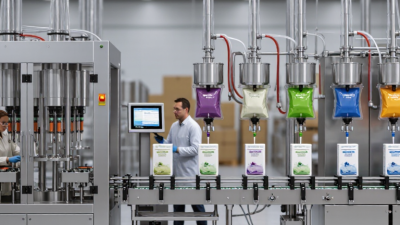
Choosing the right bag in box machine is a production decision, not just a price comparison. The machine must match your product, package size, output target, and available floor space. A line filling thick sauce has different needs from one handling juice or cleaning products. Small details matter: bag material, fitment style, filling temperature, and how operators change formats.
Grand View Research’s Bag-in-Box Packaging Market Size, Share & Trends Analysis Report estimates the global market reached USD 3.8 billion in 2023 and projects a 6.6% compound annual growth rate from 2024 to 2030. This growth signals wider use of the format, but it does not mean every plant needs a high-speed automated line. Market estimates describe demand, not your actual production plan. That distinction is easy to overlook.
Before comparing equipment, define what the machine must do each shift. Check fill accuracy, sealing method, changeover time, cleaning requirements, and support for your preferred bag sizes. Ask suppliers for trials using your own product and packaging. Watch the fill, inspect seals, and record output during a realistic run. Numbers on a brochure can look tidy. Factory floors are less tidy. A machine may perform well in a demonstration yet struggle with frequent format changes or limited operator training. The best choice balances dependable output with the flexibility your business genuinely needs. It may not be the most advanced model, and that is worth considering.
Understand Bag-in-Box Machine Types and Applications
How to Choose the Best Bag in Box Machine?
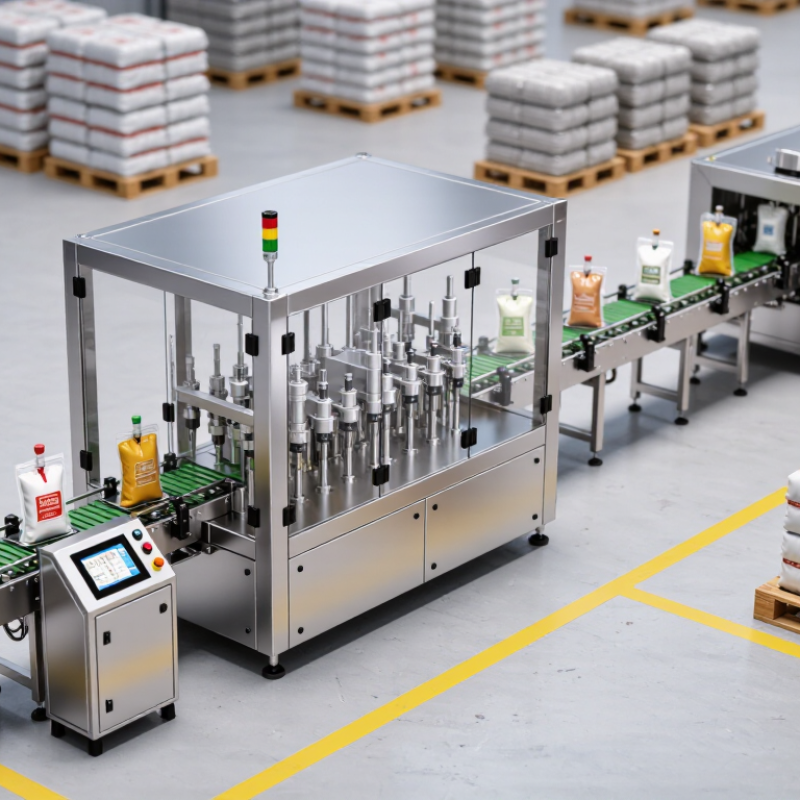
Bag-in-box machines differ in speed, filling method, and product protection. Semi-automatic fillers suit smaller runs and frequent bag-size changes. Operators position each bag and connect its fitment, which allows flexibility but requires more labor. Automatic lines handle loading, filling, and closing with less manual handling. They suit steady, higher-volume production. Small batches differ.
Aseptic machines sterilize the product path and packaging, supporting sensitive liquids such as juice and dairy alternatives. Non-aseptic fillers may suit oils, syrups, or foodservice sauces when hygiene and shelf-life requirements are met. Grand View Research valued the global bag-in-box packaging market at approximately $4.3 billion in 2023 and projected growth through 2030. That market figure signals demand, but it cannot determine the right machine for a specific plant.
Match the machine to the liquid, bag size, fitment, and target output. Thick sauces may need wider passages or slower filling; foamy liquids can demand careful nozzle control. Check changeover time and cleaning access, too. A machine that runs quickly but takes hours to clean may not improve a shift. I would test the actual product and packaging before choosing; sample runs can reveal awkward handling that a specification sheet misses.
Define Production Volume and Packaging Requirements
Before choosing a bag-in-box machine, estimate both average output and peak demand. Use the number of filled bags needed per shift, not just monthly sales. Peak hours matter. Include breaks, cleaning, changeovers, and routine stops when calculating usable production time. A machine’s advertised speed may assume ideal conditions, so compare its practical output with your real schedule. It is easy to overestimate capacity when the calculation leaves no room for delays.
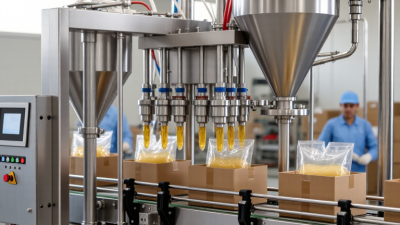
Define the packaging requirements in detail. Record each bag size, fill volume, film structure, fitment type, and closure method. Check whether the machine can handle your smallest and largest formats without lengthy adjustments. Product behavior matters, too: thick liquids or products with particles may need different filling controls than thin liquids. Test real product. A sample run can reveal splashing, slow filling, poor fitment alignment, or awkward bag handling before equipment is selected.
Consider how often packaging formats will change and who will operate the machine. Frequent changeovers make accessible adjustments and clear controls valuable. Ask for a trial using your actual bags and product, and record fill accuracy, cycle time, and cleaning steps. One detail is often missed: the bag that fits perfectly on paper may be difficult to load consistently at production speed. Review the results with operators before setting the final capacity target.
How to Choose the Best Bag-in-Box Machine
Define your production volume before comparing machines. These planning examples convert target output per 8-hour shift into the nominal filling rate required, assuming the machine runs at 80% of rated capacity.
How to use this chart: Required capacity is calculated as shift volume ÷ (8 hours × 0.80). Treat these as planning estimates, then confirm the machine’s rated speed for your bag size, fitment, product, and filling requirements.
Compare Filling Methods, Speed, and Automation Features
Choosing a bag-in-box machine starts with the product, not the headline speed. Gravity filling can suit thin, free-flowing liquids and keeps the setup relatively simple. Pump-based systems offer more control when products are thicker or flow unevenly. The right pump matters: excessive shear or foaming can affect some products. Ask suppliers how the filler handles your liquid, bag size, and required fill accuracy. Test a real sample. It can reveal surprises.
Speed figures need context. A machine’s advertised rate may assume steady product flow, one bag size, and minimal changeovers. In daily use, operators still need to load bags, position spouts, and clear occasional drips. Semi-automatic equipment can work well for modest runs, while automatic lines can reduce repetitive handling at higher volumes. Compare bags per minute under conditions close to yours, including pauses for replenishment and cleaning. Small details count.
Automation features can make filling more consistent. Bag-presence sensors, automatic nozzle shutoff, and weight checks help reduce spills and overfills. Recipe controls can store settings for different bag formats, but they require accurate setup and verification. Conveyors may improve flow, though they also need floor space and cleaning access. More automation is not always better. I would check how quickly staff can adjust settings and recover from a fault; that practical test is easy to overlook.
Assess Quality Control, Safety, and Compliance Needs
When comparing bag-in-box machines, treat quality control as a production habit, not a brochure claim. Ask how the filler checks volume, seals, and bag placement during normal operation. Request sample records from a trial run, including rejected packs and the reason for each rejection. Small leaks matter.
Watch an operator change a bag or clear a jam. Note whether guards remain effective and controls are easy to reach. Check for emergency stops, safe access to hot or moving parts, and clear maintenance instructions. Noise, splashes, and awkward lifting can turn a technically safe design into a tiring shift. Ask who trains operators and how maintenance hazards are explained. People notice details.
Compliance needs depend on the product, destination, and packaging materials. Ask suppliers to identify applicable standards and provide supporting documents. Verify certificates, material declarations, and validation reports against your own requirements; do not rely on a general statement of conformity. During acceptance testing, record fill accuracy, seal integrity, changeover time, and cleaning steps. I would leave room for operator judgment. Checklists can miss awkward moments.
Evaluate Supplier Support, Operating Costs, and Maintenance
A good bag-in-box machine is not defined by speed alone. Ask suppliers how quickly they answer technical questions and whether support continues after installation. Request a sample training plan, spare-parts list, and realistic service response times. If possible, speak with operators using similar packaging formats. A polished demonstration is useful, but a production-floor visit reveals more. That matters.
Operating costs can be easy to underestimate. Compare energy use, staffing needs, changeover time, and packaging waste—not just the purchase price. Ask for cost estimates based on your expected shifts and output, then check the assumptions. Film or fitment changes may create waste during setup. A small leak or repeated adjustment can also slow a line. No spreadsheet captures every stoppage.
Maintenance access deserves a close look. Can operators reach fill nozzles, sensors, and sealing areas without awkward tools? Ask how often routine checks are needed and which tasks require a technician. Get cleaning instructions and a clear schedule for replacing wear parts. During a trial, time a format change and inspect how easily seals and guards can be checked. Estimates may still miss conditions in your facility, so compare them with a short production test before committing.
How to Choose the Best Bag in Box Machine? - Evaluate Supplier Support, Operating Costs, and Maintenance
Use the suggested weights to compare shortlisted machines. Targets below are buyer-side evaluation guidelines, not universal industry guarantees. Confirm performance with your own product, bag, fitment, and production conditions.
| Evaluation dimension | What to measure or verify | Suggested target or comparison method | Suggested weight |
|---|---|---|---|
| Supplier technical support | Support hours, response commitment, remote troubleshooting, installation assistance, and operator training. | Request written response-time targets, named escalation contacts, training scope, and a clear process for urgent production issues. | 20% |
| Spare-parts availability | Availability and lead times for wear parts, sensors, seals, valves, and format-specific components. | Obtain a recommended spare-parts list with prices and stated lead times; identify any parts that are proprietary or single-source. | 10% |
| Warranty and service terms | Warranty duration, covered components, labor and travel exclusions, and service availability after warranty expiration. | Compare the complete written terms rather than the headline warranty period; confirm how defects and replacement-part shipping are handled. | 8% |
| Total operating cost | Labor, electricity, compressed air, consumables, cleaning, planned service, and unplanned downtime. | Compare cost per saleable filled bag: annual operating costs ÷ annual saleable bags. Use the same shifts, product, and production volume for every quote. | 15% |
| Utilities and energy use | Electrical load, actual power consumption, compressed-air demand, and utility requirements during production. | Request consumption data under a defined operating condition and calculate annual utility cost using your local rates and expected run hours. | 6% |
| Consumables and packaging compatibility | Compatible bag sizes, fitments, films, and the supplier’s requirements for packaging tolerances and sealing conditions. | Run trials using your intended packaging materials; include material waste, rejected bags, and any required special components in the cost comparison. | 7% |
| Maintenance and cleanability | Routine maintenance tasks, access to service points, changeable wear parts, cleaning method, and estimated maintenance time. | Request a maintenance schedule and task list. Check whether routine work can be performed safely by trained site staff and whether product-contact parts are accessible. | 10% |
| Changeover and flexibility | Time and tools needed to switch bag sizes, fitments, or production recipes; number of formats supported. | Time a witnessed changeover during a demonstration and confirm which change parts, adjustments, and settings are required for each format. | 7% |
| Verified production capacity | Sustained saleable output, fill accuracy, reject rate, and performance with the intended liquid and package. | Compare demonstrated saleable bags per hour—not nominal maximum speed. Set an acceptance test using agreed product, package, run duration, and quality limits. | 10% |
| Safety and documentation | Guards, emergency stops, electrical documentation, operating instructions, and applicable local safety requirements. | Review the machine documentation and risk assessment with your safety team; verify applicable requirements for the installation country. | 7% |
| Total suggested evaluation weight | 100% | ||
Scoring tip: Rate each dimension from 1 (poor) to 5 (excellent), multiply the rating by its weight, and compare the weighted totals. Validate supplier claims with written quotations, technical documents, and production trials.