Top Fruit Mill Manufacturers for Global Buyers?
Choosing reliable fruit mill manufacturers matters when a processing line must deliver consistent results across changing markets. A suitable supplier influences product quality, maintenance costs, installation time, and long-term production stability. Global buyers should examine more than catalog photographs or attractive promises.
This guide introduces key manufacturers and explains how to assess their practical value. It considers milling capacity, fruit type, contact materials, particle size control, cleaning access, and energy consumption. Stainless steel construction can support hygiene, but its grade and welding quality still require verification. Buyers should request test results, factory references, technical drawings, and clear warranty terms. A video call with an operating plant may reveal details that brochures hide, such as vibration, noise, or difficult inspection points.
Real purchasing experience often shows that the cheapest fruit mill is not the lowest-cost option. Spare parts availability, operator training, response time, and local service can affect production more than the initial quotation. Suppliers with documented quality systems and experienced engineers usually provide stronger confidence, although certifications should be checked against current project requirements. No manufacturer is perfect. Published specifications may also become outdated, and a supplier’s performance can vary by region. That is why sample trials and written acceptance criteria remain valuable.
The following overview supports a careful comparison for juice processors, puree producers, and ingredient manufacturers. It does not replace independent engineering review. Instead, it offers a practical starting point for identifying capable partners, asking sharper questions, and reducing avoidable procurement risks. Small details matter.
Fruit Mill Basics: Crushing, Pulping, Refining, and 1–100 t/h Capacity
Top Fruit Mill Manufacturers for Global Buyers?
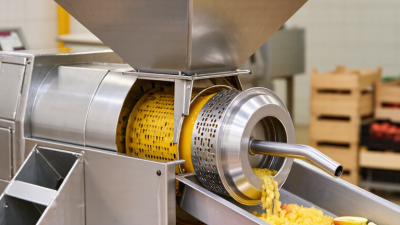
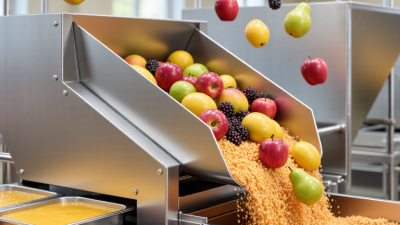
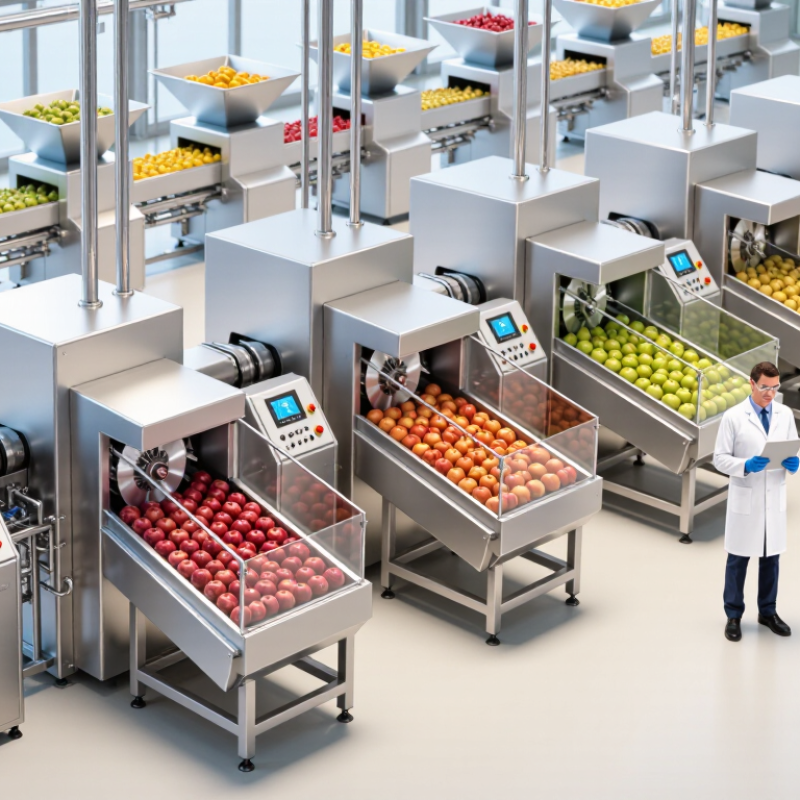
Fruit mills turn harvested fruit into pumpable pulp, juice, or refined puree. For global buyers, the key question is not only output. It is how each stage protects texture, flavor, and hygiene. Crushing breaks firm fruit and reduces feeding shocks. Pulping then separates edible flesh from skins, seeds, and coarse fibers. Refining applies finer screening for smooth products. Small details matter. A poorly matched screen can leave gritty particles or remove too much usable pulp.
Capacity commonly ranges from 1 to 100 t/h, but rated capacity needs careful reading. It may depend on fruit variety, ripeness, moisture, and target product. A 10 t/h line for soft mangoes may perform differently with apples or dense berries. Ask for test data using comparable fruit. Check feed size, motor load, screen aperture, yield, and cleaning time. Operators should inspect contact surfaces, seals, bearings, and access doors before every production run. Practical experience often reveals gaps that brochures hide.
For export projects, buyers should match mill design with climate, power supply, water availability, and local service skills. Stainless construction supports sanitation, but it does not replace disciplined cleaning. Automated controls improve repeatability, although sensors can drift and require calibration. I have seen throughput estimates fail when fruit arrived colder, tougher, or more variable than expected. Leave reasonable capacity headroom. It costs more initially. It may prevent unstable production later. Request layout drawings, utility data, spare-part lists, and operator training details before approving a specification.
Global Demand: FAOSTAT Fruit-Production Data and Processing Trends
Top Fruit Mill Manufacturers for Global Buyers
Global fruit production is reshaping demand for reliable milling equipment. FAOSTAT data helps buyers compare production volumes across countries and fruit categories. However, production volume does not equal processing availability. Some fruit is sold fresh, wasted, or consumed locally. Data can also lag behind sudden weather or market changes.
Practical equipment evaluations should connect FAOSTAT figures with local harvest calendars. A mill designed for mangoes may perform poorly with fibrous pineapple or soft berries. Buyers should examine hourly capacity, pulp recovery, cleaning systems, and spare-parts access. Stainless steel contact surfaces support hygiene and longer service life. Energy use matters too, especially where electricity supplies are unstable. The best manufacturers explain these limits clearly. Overpromising capacity is still common.
Tips: Request trial data using your actual fruit. Check performance at peak ripeness. Ask for operator training and maintenance records. Small details matter. A simple sample test can reveal more than a polished brochure. Buyers should also compare seasonal supply, transport distance, and expected factory utilization. FAOSTAT provides useful direction, but it cannot replace local field verification. My own assessment would remain cautious when figures are old or reported inconsistently.
Buyer Metrics: Yield, Brix Control, Energy Use, Throughput, and CIP Time
Top Fruit Mill Manufacturers for Global Buyers?
Global buyers should measure fruit mills by recovered yield, not brochure capacity. FAO’s Food Loss Index estimates that 13.2% of food is lost between harvest and retail. Poor milling can increase this loss through pulp left on skins, unstable feeds, and excessive wash water. Request trial data using your fruit variety, maturity, and hourly load. A credible test should record kilograms of finished pulp per 100 kilograms of fruit, not only tonnes per hour.
Brix control requires stable pressure, screen selection, and fast sampling. Codex Standard 247-2005 lists minimum soluble-solids values for many reconstituted juices, with limits differing by fruit. The mill should maintain target Brix without repeated dilution. Ask for readings taken every 30 minutes. Small drift matters. A one-degree Brix change can affect blending costs and tank capacity. Throughput figures also need context: whole fruit, peeled fruit, or pre-crushed feed produce different results.
Energy use and CIP time expose hidden operating costs. The International Energy Agency reports that industry remains one of the largest global energy users, making motor efficiency and heat recovery practical purchasing metrics. Compare kilowatt-hours per tonne, pump loading, and standby consumption. CIP records should show rinse volume, chemical concentration, temperature, and verified cleaning time. Ten minutes saved sounds attractive. It may be unsafe if validation is weak. Buyers should also inspect dead legs, gasket access, and drainability during a factory visit. A spreadsheet can still lie.
Fruit Mill Buyer Benchmark Index
Typical planning benchmarks for industrial fruit milling and puree lines. The index combines yield, Brix control, energy efficiency, throughput, and CIP time; 100 represents the stronger end of the practical benchmark range.
Reference ranges used: product yield typically 80–90%; Brix variation generally within ±0.5 °Bx after process control; energy consumption commonly around 25–60 kWh per tonne; industrial throughput often ranges from 1–10 tonnes per hour; automated CIP cycles commonly take about 60–120 minutes. Actual results depend on fruit type, solids content, equipment configuration, and sanitation requirements.
Compliance and Selection: CE, ISO 22000, Food-Grade Steel, Service, and ROI
Top Fruit Mill Manufacturers for Global Buyers?
Global buyers should treat compliance as evidence, not decoration. CE marking may apply to machinery, but its scope must match the delivered equipment. Request the declaration, risk assessment, and serial-number records. ISO 22000 certification shows a managed food-safety system, not automatic product quality. Check certificate validity, audit scope, and the site covered. Paperwork matters.
Food-grade stainless steel needs closer inspection than a polished photograph. For acidic fruit, ask about steel grade, weld finishing, crevices, seals, and cleanability. Inspect contact surfaces under bright light. Rough welds can trap pulp and increase cleaning time. Ask for hygienic drawings, material certificates, and sample-processing trials. An honest supplier should explain limitations, including fruit varieties the mill handles poorly. That answer is useful.
Service capability often decides real ROI. Compare installation training, spare-part lead times, remote support, and technician availability in your region. Calculate yield, labor, water, energy, maintenance, and downtime over several years. A lower purchase price may become expensive after one failed bearing or delayed seal. Still, projections are uncertain. Request operating data from comparable capacities, then test assumptions with your own fruit and seasonal volumes. Do not accept impressive percentages without measurement conditions. Selection is rarely perfect.