Top 10 Bag in Box Filling Equipment Manufacturers
Bag-in-box packaging is no longer limited to bulk wine. It serves juice, dairy, liquid foods, and industrial products that need controlled dispensing. The format pairs a flexible inner bag with a protective outer carton. For producers, filling accuracy, seal quality, and reliable changeovers matter as much as line speed.
Industry reports help explain why equipment selection deserves careful attention. PMMI’s 2024 State of the Industry report examines packaging machinery trends, including automation, labor pressures, and investment priorities. Smithers’ research on the bag-in-box packaging market provides broader context on format demand and application growth. These sources offer useful market framing, but they do not replace equipment-level testing or supplier verification. Actual performance depends on product viscosity, bag material, fitments, hygiene requirements, and the operating conditions of each plant.
That is where comparing the top 10 bag in box filling equipment manufacturers becomes practical. Look beyond headline speeds. Ask how a machine handles a real product, a real bag, and a full production shift. Check filling accuracy, cleaning procedures, changeover time, service coverage, and integration with upstream and downstream equipment. Small details matter: a drip at the nozzle can mean lost product, while a difficult seal can disrupt an entire run. Specifications can look convincing on paper. Still, not every line behaves the same in practice. This guide offers a starting point for evaluating suppliers, with room for buyers to challenge assumptions and confirm claims against their own production needs.
Understanding Bag-in-Box Filling Equipment and Its Core Functions
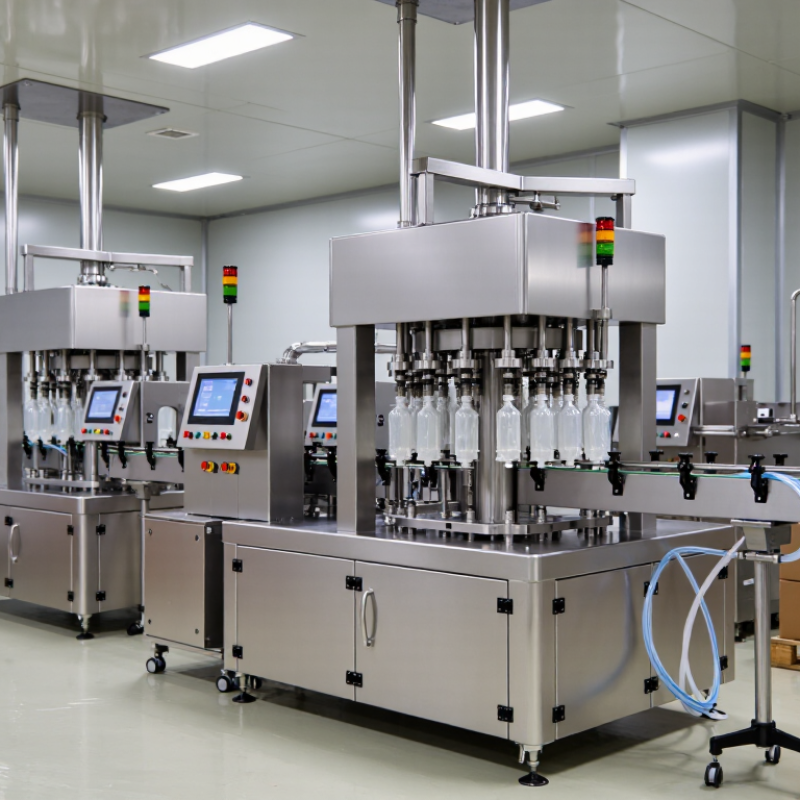
Bag-in-box filling equipment transfers liquid into a flexible inner bag, then protects it inside a rigid outer carton. Its core tasks include holding the bag open, positioning a filling nozzle, metering product, and closing the fitment securely. Depending on the liquid, the line may use flow meters or load cells to control fill volume. Some systems also remove air before filling, helping reduce oxidation in sensitive products.
Small details matter: a crooked nozzle or poorly seated cap can cause leaks during transport.
Equipment choices vary with viscosity, temperature, container size, and required output. Pumps and product-contact surfaces must suit the liquid, while clean-in-place features can simplify sanitation between runs. Operators should check fill accuracy, seal integrity, and residual air—not just hourly speed. That matters.
The Flexible Packaging Association’s 2023 State of the Industry report estimated U.S. flexible packaging sales at about $42.9 billion in 2022. This figure covers flexible packaging broadly, not bag-in-box alone, but it shows the scale of the sector these filling systems serve.
A fast line may still waste product if changeovers are awkward. Real production is messier than a catalog specification.
How Bag-in-Box Filling Systems Work
A bag-in-box filling system moves liquid into a flexible pouch, then places the filled pouch inside a carton. The operator loads an empty bag and positions its fitment beneath the filling head. A clamp holds it steady. The machine removes the cap or opens the fitment, depending on the bag design, and connects a sanitary nozzle.
Before filling, some systems draw out air to reduce oxidation and foaming. The liquid then flows through the nozzle, controlled by a flow meter, scale, or timed valve. Fill accuracy depends on the product’s thickness, temperature, and flow behavior. Thick juice, for example, may need slower filling than water. Small adjustments matter.
When the target volume is reached, the valve closes and the nozzle withdraws. The fitment is capped or sealed, and the operator checks for drips, damaged seams, and correct fill level. It looks simple. It isn’t always. A slightly misaligned nozzle can splash product onto the pouch opening, while excess foam can distort a weight reading. Regular cleaning and test fills help reveal these issues, though operators may still need to adjust settings as conditions change.
Key Criteria for Evaluating Equipment Manufacturers
Top 10 Bag in Box Filling Equipment Manufacturers
Key Criteria for Evaluating Equipment Manufacturers
Selecting a bag-in-box filler starts with the product, not the machine brochure. Ask manufacturers to test your actual liquid, including its temperature and viscosity. A thin juice and a thick sauce may need different pumps and filling speeds. Check supported bag sizes, fitment types, and whether changeovers require special tools. Request fill-accuracy data across several production runs, not one polished demonstration. Small drips matter. They can soil cartons and slow packing.
Tips: Bring sample bags and product to a factory trial. Record fill weight, cycle time, foam, and cleanup steps. Ask who supplies wear parts and how quickly technical support responds. Review cleaning instructions, operator safeguards, and service documentation. If the supplier cannot explain these clearly, pause.
A capable manufacturer should discuss line integration, not just the filler itself. Confirm conveyor height, floor space, power and air requirements, and connections to other equipment. Ask for references from facilities with similar products and production volumes. Compare warranty terms, training, commissioning support, and spare-part availability. A low purchase price can hide costly downtime. Still, no checklist predicts every issue; trial results may not reflect a full shift, so plan a longer acceptance run where practical.
Top 10 Bag-in-Box Filling Equipment Manufacturers: Key Evaluation Criteria
A practical buyer’s checklist for comparing equipment manufacturers, without ranking individual companies.
The percentages are a suggested evaluation framework, not market research findings. Adjust the weighting to reflect your product, production volume, facility, and service requirements. Consider filling accuracy, hygiene, output capacity, packaging compatibility, changeover, automation, reliability, technical support, compliance, and total cost of ownership.
Profiles of 10 Leading Bag-in-Box Filling Equipment Manufacturers
Bag-in-box filling equipment manufacturers differ in filling accuracy, sanitation design, and the formats they support. These anonymized profiles highlight ten common areas of specialization rather than make unsupported claims about named suppliers. One manufacturer focuses on compact machines for smaller beverage plants, with accessible controls and straightforward changeovers. Another builds high-throughput lines, where synchronized conveyors help keep filled bags moving steadily. A third emphasizes hygienic design, using smooth product-contact surfaces that are easier to inspect and clean. A fourth serves producers handling thicker liquids, with pumps selected to reduce slow, uneven fills. A fifth offers flexible filling heads for operations switching between bag sizes. Details matter.
A sixth manufacturer concentrates on semi-automatic systems, giving operators close control over each filling cycle. A seventh integrates filling with capping and outer-carton handling to reduce manual transfers. An eighth develops equipment for delicate products, where gentle pumping can help limit foaming. A ninth prioritizes service access, placing common adjustment points within easy reach of technicians. A tenth focuses on configurable lines, allowing capacity or packaging options to change as production needs evolve. Buyers should compare actual fill-weight consistency, cleaning procedures, changeover time, and local technical support. Ask to see a machine running with a product similar in viscosity and temperature to yours. Brochures rarely show every interruption. A careful trial can reveal the awkward parts.
Comparing Manufacturer Capabilities, Applications, and Support
Comparing bag-in-box filling equipment manufacturers is less about headline speed and more about fit. A line serving chilled juice may need different controls from one filling cooking oil or liquid detergent. Check the supported bag sizes, fitment styles, fill volumes, and product-viscosity range. Ask how the machine handles foam, drips, and changes between production runs. These details affect waste and cleaning time. A supplier should explain rated output and the conditions behind it, not just quote a best-case number. Request a trial with your product and packaging. Small details matter.
Application fit also depends on the space and people around the filler. Compare footprint, operator access, cleaning procedures, and connections to conveyors or upstream tanks. Support can separate a practical purchase from a difficult one: clarify installation scope, training, spare-part availability, and remote troubleshooting hours before ordering. Ask for maintenance intervals and a sample parts list, then check whether common wear parts are easy to replace. A quick trial helps. Still, trials may not capture every shift condition, and that limitation deserves attention. Compare service commitments in writing, especially response times and who handles commissioning, rather than assuming every manufacturer provides the same level of support.